What Does a Retainer Look Like? Complete Visual Guide 2026

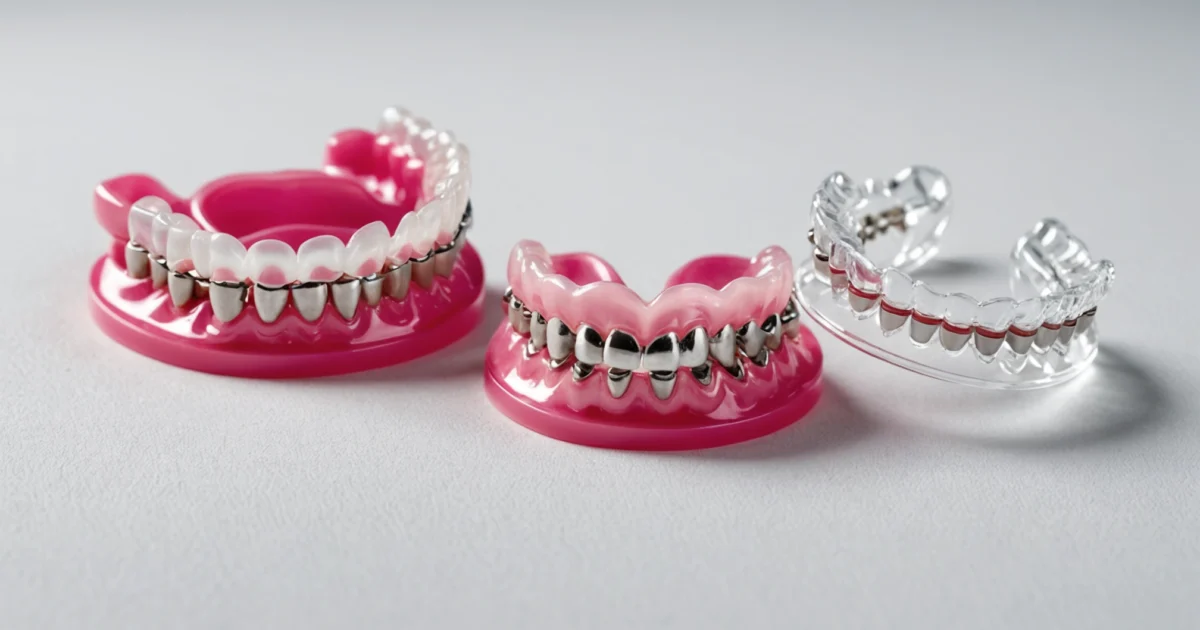
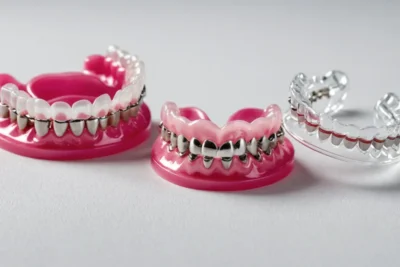
What does a retainer look like depends on the type you receive after orthodontic treatment. Most retainers fall into three main categories: Hawley retainers with metal wires and colorful acrylic bases, clear plastic retainers that appear nearly invisible over your teeth, and fixed retainers that consist of thin wires permanently bonded behind your front teeth. Additionally, each type serves the same essential purpose of maintaining your newly aligned smile.
Understanding retainer appearance helps you prepare for post-treatment care. Furthermore, knowing the visual differences between Hawley, Essix, and bonded wire retainers allows you to discuss preferences with your orthodontist. Most patients receive their retainer immediately after braces removal or Invisalign completion.
The specific design of your retainer depends on your orthodontic treatment complexity and lifestyle needs. However, proper retainer maintenance remains crucial regardless of type. Consequently, your orthodontist will recommend the best option based on your individual case requirements.
TL;DR
- Hawley retainers feature visible metal wires across front teeth with colorful or clear acrylic bases
- Clear retainers are nearly invisible, thin plastic covers that fit snugly over your entire tooth surface
- Fixed retainers consist of permanent thin wires bonded behind your front teeth, invisible from the front view
- Your retainer type depends on treatment complexity, lifestyle preferences, and orthodontist recommendations
What Is a Retainer and Why Do You Need One?
An orthodontic retainer is a custom-made dental appliance designed to maintain the position of your teeth after completing braces or Invisalign treatment. These devices prevent your teeth from shifting back to their original positions, a natural process called orthodontic relapse. Retainers preserve the investment you made in your smile by holding teeth in their newly corrected alignment.
The primary function of retainers involves maintaining the structural changes achieved during active orthodontic treatment. Your teeth naturally want to return to their previous positions because the periodontal ligaments and surrounding bone tissue need time to stabilize around the new tooth positions. Without consistent retainer use, teeth can shift significantly within weeks or months after treatment completion.
Retainers also preserve bite correction and jaw alignment improvements gained through orthodontic treatment. Furthermore, they maintain proper spacing between teeth and prevent crowding from recurring. Most importantly, retainers protect against the loss of functional and aesthetic benefits that took months or years to achieve through braces or clear aligner therapy.
Timeline for Retainer Use After Treatment
The retainer timeline typically begins immediately after your final orthodontic appointment. Most orthodontists recommend wearing retainers full-time for the first 3 to 6 months after treatment completion. During this critical period, your teeth are most susceptible to movement as the surrounding tissues adapt to their new positions.
After the initial full-time period, most patients transition to nighttime-only wear for an extended period. Many orthodontists suggest continuing nightly retainer use for at least 2 to 3 years following treatment. However, some dental professionals recommend lifelong nighttime wear to ensure permanent results and prevent age-related tooth movement.
Retention Timeline
Individual retention schedules vary based on factors like treatment complexity, patient age, and tooth movement tendency. Additionally, patients who had significant crowding or spacing issues may require longer retention periods. Consistency in retainer wear during the prescribed timeline determines long-term treatment success and prevents costly retreatment needs.
Regular follow-up appointments allow your orthodontist to monitor retention progress and adjust wearing schedules as needed. Proper retainer maintenance and cleaning ensures your appliance remains effective throughout the retention period. Remember that skipping retainer wear, even for short periods, can result in unwanted tooth movement that may require additional orthodontic intervention.
Types of Retainers: Visual Guide and Characteristics
Understanding retainer appearance helps patients identify their specific type and ensure proper care. Four main retainer types exist, each with distinct visual characteristics and construction materials. Consequently, recognizing these differences enables better communication with your orthodontist and proper maintenance practices.
Hawley Retainers: Wire and Acrylic Construction
Hawley retainers feature a distinctive combination of metal wire and colored acrylic plastic. The metal wire component runs across the front teeth, creating a visible silver line when you smile. Meanwhile, the acrylic portion sits against the roof of your mouth, available in various colors and patterns.
These traditional retainers measure approximately 2-3 millimeters thick and extend from canine to canine across your upper teeth. Furthermore, the wire clasps wrap around your back molars, securing the appliance in place. Patients can easily identify Hawley retainers by their prominent metal wire and the ability to remove them for eating and cleaning.
Clear Plastic Retainers: Transparent Thermoplastic Design
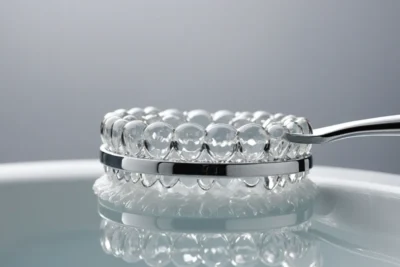
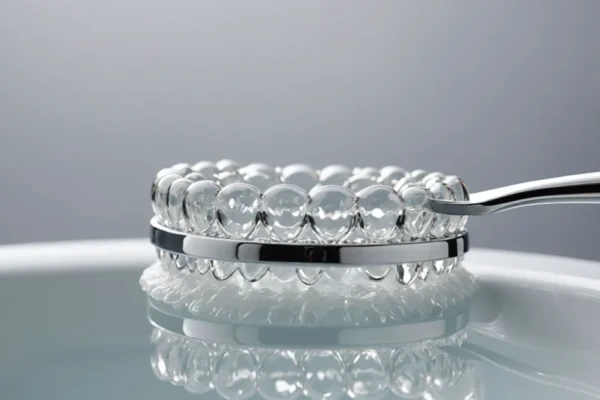
Clear retainers, also known as Essix retainers, appear nearly invisible when worn properly. These appliances consist of transparent thermoplastic material that covers your entire tooth surface. Additionally, their thickness ranges from 0.75 to 1.5 millimeters, making them barely noticeable to others.
The clear plastic construction allows your natural tooth color to show through, maintaining aesthetic appeal. Moreover, these retainers fit snugly over each tooth like a thin, transparent shell. Patients appreciate clear retainers because they provide maximum discretion while maintaining their orthodontic results effectively.
Fixed Retainers: Permanent Wire Placement
Bonded retainers consist of a thin wire permanently attached to the back surfaces of your teeth. This wire typically measures 0.6 to 0.9 millimeters in diameter and runs from canine to canine. Since these retainers attach to the lingual (tongue-side) surfaces, they remain completely invisible from the front.
Orthodontists use dental cement to secure the wire to each tooth, creating a permanent retention solution. Therefore, patients cannot remove fixed retainers without professional assistance. The wire may feel slightly rough initially, but most people adapt quickly to its presence behind their teeth.
Vivera Retainers: Invisalign-Specific Clear Design
Vivera retainers represent Invisalign’s proprietary clear retainer system, manufactured using advanced thermoplastic technology. These retainers appear similar to standard clear retainers but feature enhanced durability and precision fit. Specifically, Vivera material demonstrates 30% greater strength compared to other clear retainer materials.
Invisalign creates Vivera retainers using the same digital impressions from your original treatment. Consequently, these retainers provide an exact fit based on your final tooth positions. Patients typically receive multiple sets of Vivera retainers, allowing for replacement as needed throughout their retention period.
Visual Comparison and Aesthetic Differences
| Retainer Type | Visibility | Material | Thickness |
|---|---|---|---|
| Hawley | Highly visible wire | Metal wire + acrylic | 2-3mm |
| Clear/Essix | Nearly invisible | Transparent plastic | 0.75-1.5mm |
| Fixed/Bonded | Completely hidden | Thin metal wire | 0.6-0.9mm |
| Vivera | Nearly invisible | Enhanced thermoplastic | 0.75-1.5mm |
Aesthetic preferences significantly influence retainer selection, with clear options dominating adult choices. However, Hawley retainers offer superior adjustability and durability for long-term use. Meanwhile, fixed retainers provide continuous protection without compliance concerns, making them ideal for patients with retention challenges.
Understanding these visual characteristics helps patients make informed decisions about their retention options. Proper cleaning techniques vary by retainer type, emphasizing the importance of identifying your specific appliance correctly. Ultimately, each retainer type serves the same fundamental purpose while offering distinct aesthetic and functional advantages.
Hawley Retainers: Traditional Wire and Acrylic Design
Hawley retainers represent the most recognizable and traditional type of orthodontic retainer, featuring a distinctive combination of metal wire and colored acrylic components. These appliances consist of a metal wire framework that spans across the front teeth, connected to a custom-molded acrylic base that rests against the roof of the mouth for upper retainers or behind the lower teeth for bottom appliances. The metal wire, typically made from stainless steel, forms a precise arc that follows the contour of your teeth while maintaining their alignment.
The acrylic base serves as the foundation of the Hawley retainer, providing stability and retention force through its snug fit against the palate or lingual surfaces. This acrylic component can be manufactured in clear, colored, or patterned designs, allowing patients to personalize their retainers with favorite colors, sports team logos, or decorative patterns. Additionally, the acrylic base houses adjustable clasps and hooks that secure the retainer in place while enabling orthodontists to make precise adjustments throughout the retention period.
What distinguishes Hawley retainers from other types is their adjustability feature, which allows orthodontists to fine-tune the fit and retention force without creating entirely new appliances. The metal wire can be bent and adjusted to accommodate minor tooth movements or to increase retention in specific areas. Furthermore, the clasps can be tightened or loosened to ensure optimal comfort and security during wear.
Hawley Retainer Components
Customization options for Hawley retainers extend beyond basic color choices to include intricate patterns, glitter effects, and even embedded designs. Many orthodontic laboratories offer dozens of color combinations and pattern options, making these retainers particularly appealing to younger patients who want to express their personality through their orthodontic appliances. However, clear acrylic remains the most popular choice among adult patients seeking a more discreet appearance.
The durability and longevity of Hawley retainers significantly exceed that of clear plastic alternatives, with properly maintained appliances lasting 5-10 years or more. The robust metal wire framework resists breakage and maintains its shape over extended periods, while the thick acrylic base withstands daily wear and cleaning routines. This exceptional durability makes Hawley retainers cost-effective for long-term retention, despite their higher initial investment compared to clear retainers.
Maintenance requirements for Hawley retainers involve daily cleaning with a soft toothbrush and mild soap or specialized retainer cleaning solutions. The proper cleaning techniques help preserve both the metal and acrylic components while preventing bacterial buildup and odor development. Regular professional cleanings during orthodontic check-ups ensure optimal hygiene and longevity of these traditional appliances.
Compared to clear retainers, Hawley designs offer superior bite protection due to their thicker acrylic construction, making them ideal for patients who grind their teeth at night. The metal wire also provides more precise control over individual tooth positions, allowing for targeted retention where needed most. However, the visible metal wire makes them less aesthetically appealing than clear alternatives, particularly for adult patients in professional settings.
Clear Retainers: Transparent Plastic Construction
Clear retainers feature a thin, transparent thermoplastic material that orthodontists custom-mold to match each patient’s exact tooth shape. This thermoplastic construction creates an invisible appearance when worn, making clear retainers the preferred choice for adults and teenagers who prioritize aesthetics. The material thickness typically measures between 0.75mm to 1.5mm, providing adequate strength while maintaining flexibility for comfortable wear.
The manufacturing process begins with creating precise dental impressions or digital scans of the patient’s teeth. Subsequently, technicians heat-form the thermoplastic material over these models using vacuum-forming techniques. This process ensures each clear retainer achieves a tight, secure fit that covers the entire tooth surface from gum line to biting edge.
Material composition varies among manufacturers, but most clear retainers utilize either polyethylene terephthalate glycol (PETG) or polypropylene-based plastics. These materials offer excellent clarity, biocompatibility, and resistance to staining when properly maintained. Additionally, the smooth surface lacks any wires or metal components, eliminating the risk of tissue irritation common with traditional wire retainers.
The nearly invisible appearance makes clear retainers virtually undetectable during normal conversation and social interactions. However, this aesthetic advantage comes with trade-offs in durability compared to Hawley retainers. Clear retainers typically last 6 months to 2 years before requiring replacement, depending on wear patterns and maintenance habits.
Proper care involves removing clear retainers during meals and cleaning them with specialized cleaning solutions to prevent bacterial buildup and maintain transparency. The tight fit design means clear retainers must be handled carefully to avoid cracking or distortion during insertion and removal.
Pros
- Nearly invisible when worn
- Smooth surface prevents tissue irritation
- Custom-molded for precise fit
- No metal components to break
Cons
- Shorter lifespan than wire retainers
- More prone to cracking and damage
- Requires careful handling during cleaning
- May retain odors if not properly maintained
Fixed Retainers: Permanent Wire Placement
Fixed retainers feature a thin metal wire permanently bonded to the back surface of front teeth. Unlike removable retainers, these permanent wire retainers cannot be removed by patients and remain attached 24/7 for continuous tooth stabilization. The wire attachment provides constant retention force, preventing teeth from shifting back to their original positions after orthodontic treatment.
The wire placement occurs exclusively on the lingual surface (tongue side) of teeth, making fixed retainers completely invisible from the front view. Most orthodontists position these retainers on the lower front teeth (canine to canine) or upper canines, where tooth movement risks are highest. This strategic placement targets the most vulnerable areas while maintaining optimal oral hygiene access.
Wire design varies between two main types: braided wire and solid wire configurations. Braided wires consist of multiple twisted strands that offer superior flexibility and conform better to tooth contours. Conversely, solid wires provide increased durability and resist breakage more effectively than their braided counterparts.
The bonding process involves attaching the wire using dental composite material at specific points along each tooth. Orthodontists typically place bonding points on each tooth or every other tooth, depending on the retention requirements. This composite attachment creates small bumps visible from the tongue side but remains completely hidden during normal conversation and smiling.
Fixed retainer maintenance requires specialized cleaning techniques since traditional flossing becomes challenging. Patients must use floss threaders, water flossers, or interdental brushes to clean around the wire effectively. Additionally, regular dental checkups ensure the wire remains properly bonded and monitor for any signs of loosening or breakage.
The permanent nature of fixed retainers eliminates compliance issues common with removable options. However, this permanence also means patients cannot remove them for special occasions or sports activities. Furthermore, certain foods may become more challenging to eat, and speaking patterns may require brief adjustment periods after initial placement.
Retainer Appearance After Different Orthodontic Treatments
Different orthodontic treatments produce distinct retainer requirements, with each type creating unique appearance characteristics. Traditional braces typically require Hawley retainers or clear plastic options, while Invisalign treatments often transition to similar clear retainers. Furthermore, complex bite corrections may necessitate specialized retainer designs that address specific tooth movements or jaw positioning needs.
Retainer Appearance After Traditional Braces
Patients completing traditional metal braces treatment commonly receive Hawley retainers as their primary retention option. These retainers feature a distinctive combination of clear acrylic base plates molded to fit the roof of the mouth, paired with visible metal wire clasps that wrap around the front teeth. The acrylic portion appears translucent pink or clear, while the metal wire creates a thin silver line across the teeth when worn.
The wire component of Hawley retainers extends from canine to canine, creating a gentle curve that follows the natural tooth contours. Additionally, metal clasps hook around the back molars to secure the retainer in position. These clasps remain visible when patients open their mouths wide but stay hidden during normal conversation and smiling.
Clear plastic retainers represent an increasingly popular alternative after traditional braces removal. These retainers appear virtually invisible when worn, resembling thin plastic shells that cover the entire tooth surface. The clear material makes them significantly less noticeable than Hawley retainers, though they may develop slight cloudiness over time with regular use.
Post-Invisalign Retainer Characteristics
Invisalign treatment completion typically results in clear retainer prescriptions that closely resemble the original aligners. These retainers maintain the same transparent appearance as Invisalign trays but feature slightly thicker material for enhanced durability. Consequently, patients experience minimal visual transition from their final aligners to their retention phase.
The fit of post-Invisalign retainers appears more precise than traditional options since they’re created from digital impressions of the final tooth positions. This precision creates a snug, form-fitting appearance that hugs each tooth individually. Moreover, the edges typically extend slightly below the gum line, creating a seamless transition between the retainer and natural tooth structure.
Some Invisalign patients receive Vivera retainers, which are Align Technology’s proprietary retention system. These retainers appear identical to regular clear retainers but feature enhanced material properties that resist cracking and maintain their shape longer than standard plastic alternatives.
Retainer Variations Based on Orthodontic Issues
Specific orthodontic problems create unique retainer design requirements that affect their overall appearance. Patients who underwent extensive tooth rotation corrections often receive retainers with additional material thickness around previously rotated teeth. This extra material appears as slight bulges or reinforced areas that provide enhanced retention force where needed most.
Severe crowding corrections frequently result in retainers with modified wire patterns or plastic extensions. These modifications create visible differences in wire placement or plastic coverage compared to standard retainer designs. Additionally, patients may notice asymmetrical wire patterns that reflect the specific tooth movements required during their treatment.
Gap closure treatments often produce retainers with specialized wire configurations designed to prevent space reopening. These retainers may feature additional wire loops or reinforced sections that appear more prominent than standard designs. The enhanced wire presence creates a more noticeable appearance but provides superior retention for previously spaced teeth.
Custom Modifications for Complex Cases
Complex bite corrections frequently require retainers with specialized features that significantly alter their standard appearance. Patients with corrected overbites may receive retainers with extended acrylic coverage that reaches further back in the mouth. This additional coverage creates a bulkier appearance but ensures proper retention of the corrected bite relationship.
Crossbite corrections often necessitate retainers with asymmetrical designs that appear different on the left and right sides. These modifications reflect the specific tooth movements required to correct the crossbite pattern. Furthermore, the wire placement may follow unconventional paths to maintain the corrected tooth positions effectively.
Surgical orthodontic cases typically receive retainers with reinforced construction that appears more robust than standard options. These retainers feature thicker acrylic bases, heavier wire gauges, or additional clasping mechanisms. The enhanced construction creates a more substantial appearance but provides the stability required after surgical tooth movement.
Some complex cases require combination retention systems that include both removable and fixed components. These systems create a unique appearance where patients wear clear removable retainers over permanent lingual wires. The combination approach provides maximum retention security while maintaining aesthetic appeal during daily activities. For comprehensive retainer care information, patients should understand proper cleaning techniques to maintain their retainer’s appearance and function.
How Retainers Are Made and Fitted
The creation of a custom retainer begins with capturing precise measurements of your teeth through dental impressions or digital scanning. This initial step determines how your finished retainer will look and function. Modern dental practices use advanced technology to create retainers that fit comfortably while maintaining the corrected position of your teeth.
Dental Impression Process for Custom Retainers
Traditional impression methods involve placing alginate material in custom trays that fit over your upper and lower teeth. The dentist positions the tray carefully and asks you to bite down gently for approximately 2-3 minutes. During this time, the alginate sets to create a negative mold of your teeth and gums.
The impression captures every detail of your tooth surfaces, including small ridges and contours that affect retainer fit. Orthodontists examine the impression for air bubbles or distortions that could compromise the final product. High-quality impressions ensure that your retainer will have the precise appearance and fit necessary for effective retention.
Digital Scanning Technology for Modern Fabrication
Digital intraoral scanners eliminate the need for messy impression materials by creating 3D digital models of your teeth. The scanning wand captures thousands of images per second, building a comprehensive digital representation. This technology allows orthodontists to visualize how your retainer will appear before manufacturing begins.
Digital scans provide superior accuracy compared to traditional impressions, resulting in better-fitting retainers. The scanning process takes approximately 5-10 minutes and creates immediately viewable results on computer screens. Patients can see their digital tooth models and understand how the retainer design will complement their specific dental anatomy.
Laboratory Manufacturing Process and Quality Control
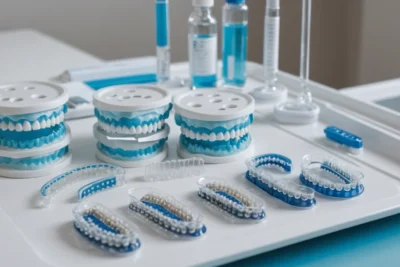
Dental laboratories receive impressions or digital files and create working models using specialized materials. For Hawley retainers, technicians pour dental stone into impressions to create positive models. Subsequently, they shape orthodontic wire using precise bending techniques and form acrylic resin over the model.
- Wire bending: Technicians create custom wire patterns that follow tooth contours
- Acrylic formation: Clear or colored acrylic resin covers the palatal area
- Polishing: Smooth finishing eliminates rough edges and improves appearance
- Quality inspection: Multiple checks ensure proper fit and construction
Clear retainer manufacturing involves thermoforming processes where heated plastic sheets conform to tooth models under vacuum pressure. The manufacturing creates transparent retainers that closely follow tooth contours. Quality control measures include thickness verification and stress testing to ensure durability.
Initial Fitting Appointment and Adjustment Procedures
Your first retainer fitting appointment allows the orthodontist to evaluate how the appliance looks and feels in your mouth. The doctor checks for proper seating, adequate retention, and comfortable contact points. Initial adjustments often involve minor wire modifications or acrylic trimming to optimize fit.
During the fitting, orthodontists demonstrate proper insertion and removal techniques that maintain the retainer’s appearance over time. They examine how the retainer affects your speech patterns and bite relationship. Most patients require 15-30 minutes for the initial fitting and adjustment process.
Fitting Day Tips
Ensuring Proper Fit and Comfort for Long-term Wear
Proper retainer fit ensures that the appliance maintains its intended appearance while providing effective tooth retention. The retainer should seat completely without gaps between the acrylic and your palate or teeth. Orthodontists verify that wire components contact teeth at appropriate pressure points without causing discomfort.
Long-term comfort depends on smooth edges and proper thickness distribution throughout the retainer. Areas that contact your tongue or cheek tissues receive special attention during fitting appointments. The orthodontist may schedule follow-up visits within 1-2 weeks to address any comfort issues that develop during initial wear periods.
Retainer adjustments maintain both function and appearance as your mouth adapts to the appliance. Minor modifications ensure that your retainer continues fitting properly while preserving its aesthetic qualities. Regular monitoring helps identify wear patterns or damage that could affect the retainer’s appearance or effectiveness. For detailed information about retainer maintenance costs, patients should research comprehensive pricing guides that cover replacement and adjustment fees.
Choosing the Right Retainer Type
Selecting the appropriate retainer type depends on multiple factors that influence both function and appearance. Your lifestyle requirements significantly impact retainer choice, particularly regarding removability and maintenance demands. Active individuals often prefer fixed retainers that eliminate daily insertion and removal routines.
Aesthetic considerations play a crucial role in retainer selection for many patients. Clear plastic retainers offer superior cosmetic appeal compared to traditional wire-and-acrylic designs. However, Hawley retainers provide better durability and adjustability over extended wear periods.
Orthodontist Recommendations Based on Treatment Complexity
Treatment complexity directly influences your orthodontist’s retainer recommendations. Patients who completed comprehensive orthodontic treatment typically require different retention strategies than those finishing minor tooth movements. Complex cases involving significant tooth rotation or spacing corrections often benefit from fixed retention protocols.
Your orthodontist evaluates bite relationships and tooth stability when recommending retainer types. Deep bite corrections may necessitate specific retainer designs that maintain proper vertical relationships. Additionally, patients with periodontal concerns might receive recommendations for retainers that facilitate better oral hygiene maintenance.
Cost Considerations for Different Retainer Types
Retainer costs vary significantly based on type, materials, and replacement frequency requirements. Clear plastic retainers typically cost less initially but require more frequent replacement than traditional alternatives. Conversely, Hawley retainers involve higher upfront costs but offer superior longevity and repairability.
Fixed retainers present moderate initial costs with minimal ongoing expenses for compliant patients. However, emergency repairs or replacements can result in unexpected costs. For comprehensive cost analysis and budgeting information, patients can reference detailed retainer pricing guides that compare all retainer types.
Pros
- Clear retainers offer superior aesthetics
- Hawley retainers provide excellent durability
- Fixed retainers require minimal daily maintenance
- Removable options allow better oral hygiene access
Cons
- Clear retainers require frequent replacement
- Hawley retainers show visible wire components
- Fixed retainers complicate flossing procedures
- Removable retainers depend on patient compliance
Patient Preference and Maintenance Capability Assessment
Your personal preferences and maintenance capabilities significantly influence retainer success rates. Patients with excellent oral hygiene habits often succeed with any retainer type, while those requiring simplified routines benefit from fixed options. Furthermore, individuals concerned about retainer visibility typically prefer clear alternatives despite higher replacement costs.
Compliance history during active treatment helps predict retainer success with different options. Patients who consistently wore elastics or other removable appliances demonstrate readiness for removable retainer responsibility. Conversely, those with compliance challenges may achieve better outcomes with permanent retention solutions that eliminate daily decision-making requirements.
Age and maturity levels also factor into retainer selection decisions. Adult patients typically demonstrate higher compliance rates with removable retainers compared to younger individuals. Meanwhile, active teenagers often benefit from fixed retainers that withstand sports participation and busy lifestyle demands without compromising retention effectiveness.
Frequently Asked Questions
What does a retainer after braces look like?
A retainer after braces can look different depending on the type you receive. Hawley retainers feature visible metal wires across your front teeth with colorful or clear acrylic bases. Clear retainers are nearly invisible, thin plastic covers that fit snugly over your entire tooth surface. Fixed retainers consist of permanent thin wires bonded behind your front teeth, making them invisible from the front view.
What are the different types of retainers after braces?
There are three main types of retainers after orthodontic treatment:
- Hawley retainers: Feature metal wires and colorful acrylic bases
- Clear plastic retainers (Essix): Nearly invisible covers that fit over teeth
- Fixed retainers: Permanent thin wires bonded behind front teeth
What are clear retainers made of?
Clear retainers are made of thin, transparent plastic material, typically thermoplastic. This material is custom-molded to fit your teeth precisely and is designed to be nearly invisible when worn. The plastic is durable yet flexible enough to be removed for eating and cleaning.
Which type of retainer is best after braces?
The best retainer type depends on your treatment complexity, lifestyle preferences, and orthodontist recommendations. Clear retainers offer aesthetic appeal and are removable, while Hawley retainers are durable and adjustable. Fixed retainers provide constant protection but require special cleaning techniques. Your orthodontist will recommend the most suitable option based on your individual case requirements.
Is it painful to wear retainers?
Wearing retainers typically causes minimal discomfort. You may experience slight pressure or tightness when first wearing your retainer or after periods of not wearing it. This sensation is normal and indicates the retainer is working to maintain your tooth positions. Any discomfort usually subsides within a few days of consistent wear.
How long do I need to wear my retainer after braces?
Most orthodontists recommend wearing retainers full-time for the first 3 to 6 months after treatment completion. After this initial period, you typically transition to nighttime-only wear for at least 2 to 3 years. Many dental professionals suggest lifelong nighttime wear to ensure permanent results and prevent age-related tooth movement.
What does a retainer look like after Invisalign?
After Invisalign treatment, retainers often look similar to your final Invisalign aligners. They are typically clear plastic retainers that fit snugly over your teeth and are nearly invisible when worn. Some patients may receive Hawley retainers or fixed retainers depending on their specific case needs and orthodontist recommendations.
Why do I need a retainer after orthodontic treatment?
Retainers are essential because your teeth naturally want to return to their previous positions through a process called orthodontic relapse. The periodontal ligaments and surrounding bone tissue need time to stabilize around the new tooth positions. Without consistent retainer use, teeth can shift significantly within weeks or months after treatment completion.
How much does a Hawley retainer cost?
Hawley retainer prices typically range from $150 to $600 per retainer, depending on your location, orthodontist, and specific design requirements. Many orthodontic treatment plans include the initial set of retainers in the overall cost. Replacement retainers may cost less than the initial set, and some dental insurance plans provide partial coverage for retainers.
Can I eat with my retainer in?
You should remove removable retainers (Hawley and clear types) before eating to prevent damage and maintain hygiene. Fixed retainers remain permanently in place, so you can eat normally but should avoid hard, sticky, or chewy foods that could damage the wire. Always clean your teeth thoroughly before reinserting removable retainers.
How do I clean my retainer properly?
Clean removable retainers daily with lukewarm water and mild soap or specialized retainer cleaning tablets. Avoid hot water, which can warp the plastic. For Hawley retainers, gently brush with a soft toothbrush. Fixed retainers require special flossing techniques and may benefit from water flossers or floss threaders to clean around the bonded wire.
What happens if I don't wear my retainer?
Not wearing your retainer can result in teeth shifting back toward their original positions. This orthodontic relapse can occur within weeks or months, potentially requiring additional orthodontic treatment to correct. The investment you made in your smile through braces or Invisalign could be lost without consistent retainer use as prescribed by your orthodontist.
When should I replace my retainer?
Replace your retainer when it shows signs of wear, damage, or poor fit. Clear retainers typically last 6 months to 2 years, while Hawley retainers can last 5-10 years with proper care. Fixed retainers may last many years but require monitoring for wire damage. If your retainer feels loose, cracked, or causes discomfort, contact your orthodontist for evaluation and potential replacement.
You May Also Like
How Much Does a Retainer Cost in 2026? Complete Price Guide
How to Clean Retainers: Complete Guide for 2026