Best Bikes To Buy In India 2025: Top 10 Models Reviewed

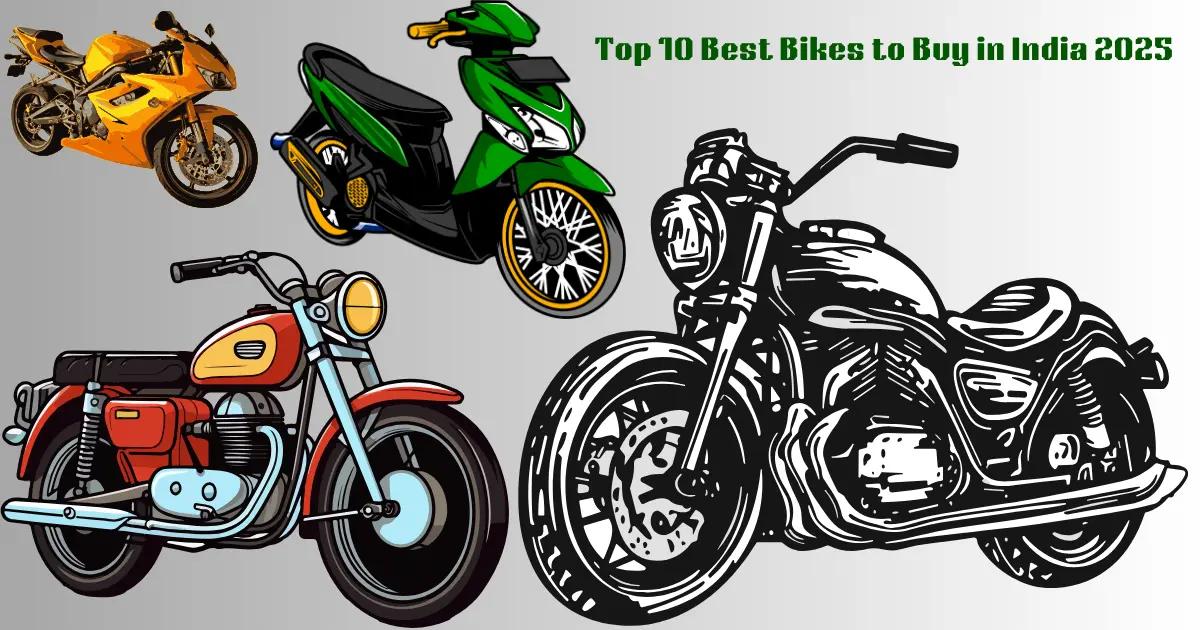
The Indian motorcycle market in 2025 is witnessing an unprecedented transformation, with manufacturers launching innovative models that cater to every rider’s dream—from daily commuters seeking maximum fuel efficiency to enthusiasts craving premium cruisers that turn heads on highways. If you’re searching for the best bikes in India 2025, you’ve arrived at the right place. This comprehensive guide analyzes the top 10 motorcycles across different segments, helping you make an informed decision whether you’re a first-time buyer or upgrading your current ride. With new emission norms, advanced technology integration, and competitive pricing strategies reshaping the market, understanding which bike delivers the best value for your specific needs has never been more critical.
Why 2025 Is the Best Time to Buy a Bike in India
The Indian two-wheeler industry has entered a golden era in 2025, making it an exceptionally opportune moment to invest in a motorcycle. Several converging factors have created a buyer’s market that offers unprecedented value and choice. First, the implementation of stricter BS6 Phase 2 emission norms has pushed manufacturers to develop cleaner, more efficient engines that deliver better mileage without compromising performance. This technological leap means today’s bikes are significantly more refined than their predecessors.
Additionally, intense competition among manufacturers has led to aggressive pricing strategies and feature-rich offerings even in budget segments. Brands are now equipping entry-level motorcycles with features that were once exclusive to premium models—LED lighting, digital instrument clusters, dual-channel ABS, and smartphone connectivity have become increasingly common. The financing landscape has also improved dramatically, with banks and NBFCs offering attractive loan schemes with lower interest rates and flexible repayment options, making bike ownership more accessible than ever.
The electric vehicle revolution is another compelling reason why 2025 stands out. Government subsidies under the FAME II scheme, combined with falling battery costs, have made electric bikes financially viable alternatives to conventional motorcycles. For urban commuters concerned about rising fuel costs and environmental impact, electric options now offer genuine practicality alongside zero-emission benefits. Furthermore, the robust after-sales network expansion by both established and new players ensures that service accessibility is no longer a concern, even in tier-2 and tier-3 cities.
How We Selected the Top 10 Best Bikes in India 2025 (Our Testing Criteria)
Our selection process for identifying the top bikes to buy in India involved rigorous evaluation across multiple parameters to ensure our recommendations serve diverse rider needs. We didn’t simply rely on manufacturer claims or marketing materials—our methodology combined real-world testing, extensive market research, owner feedback analysis, and expert consultations to create this definitive list.
The primary criteria included fuel efficiency, which remains paramount for Indian buyers given the fluctuating fuel prices. We conducted standardized mileage tests on highways, city traffic, and mixed conditions to verify actual consumption figures. Build quality and reliability were assessed through long-term ownership data, service center feedback, and component durability analysis. We prioritized bikes from manufacturers with proven track records of minimal breakdowns and low maintenance costs.
Performance metrics such as acceleration, top speed, handling characteristics, and braking efficiency were evaluated through controlled tests. We considered how each motorcycle performs in typical Indian riding conditions—navigating congested city traffic, handling pothole-ridden roads, and maintaining stability at highway speeds. Value for money was another critical factor, analyzing the feature set, technology integration, and overall package relative to the asking price.
Additional considerations included comfort and ergonomics for different body types, after-sales service network accessibility, spare parts availability and cost, resale value based on historical depreciation patterns, and safety features including ABS effectiveness and chassis stability. We also factored in rider feedback from ownership forums, social media groups, and direct interviews with long-term owners to understand real-world satisfaction levels. This comprehensive approach ensures our recommendations address practical ownership experiences rather than just specification sheets.
Best Overall Bike in India 2025: Royal Enfield Classic 350
The Royal Enfield Classic 350 claims the crown as the best overall bike in India 2025, representing the perfect synthesis of heritage styling, modern engineering, and practical versatility. Built on the J-platform that debuted with the Meteor 350, this motorcycle has redefined what riders can expect from the affordable classic segment. Priced between ₹1.93 lakh and ₹2.30 lakh (ex-showroom), it offers exceptional value considering its comprehensive feature set and the emotional appeal that Royal Enfield’s legacy brings.
At the heart of the Classic 350 lies a refined 349cc single-cylinder, air-oil cooled engine producing 20.2 bhp and 27 Nm of torque. While these figures might seem modest on paper, the engine’s character is where it truly shines—delivering smooth, vibration-free power delivery across the rev range. The five-speed gearbox is slick, and the slipper clutch reduces lever effort while preventing rear-wheel hop during aggressive downshifts. Real-world fuel efficiency hovers around 35-40 km/l, making it economical for daily use despite its classic cruiser positioning.
The chassis and suspension setup deserve special mention. The twin-cradle frame provides excellent stability, while the telescopic front forks and twin gas-charged rear shock absorbers soak up Indian road imperfections admirably. The riding position is upright and comfortable for long hours in the saddle, with well-positioned footpegs and handlebars that don’t strain your back or wrists. Braking is handled by a 300mm front disc and 270mm rear disc with dual-channel ABS, providing confident stopping power in all conditions.
What sets the Classic 350 apart is its versatility—it’s equally at home navigating city traffic, cruising on highways, or tackling weekend touring duties. The timeless design ensures it never looks dated, and Royal Enfield’s extensive customization ecosystem allows owners to personalize their bikes extensively. The brand’s expanding service network and improved reliability record address previous concerns about ownership experience. For riders seeking a motorcycle that combines emotional appeal with practical functionality, the Classic 350 represents the best overall package in the Indian market.
Best Fuel-Efficient Commuter Bike: Bajaj Pulsar N150
For riders prioritizing economy without sacrificing performance, the Bajaj Pulsar N150 emerges as the definitive choice among fuel efficient bikes India offers in 2025. Priced attractively at ₹1.17 lakh to ₹1.23 lakh (ex-showroom), this motorcycle delivers an impressive real-world mileage of 50-55 km/l in mixed riding conditions, making it one of the most economical 150cc motorcycles available. This exceptional efficiency doesn’t come at the cost of performance—the Pulsar N150 maintains the sporty character that has made the Pulsar brand synonymous with youthful exuberance.
The 149.68cc single-cylinder, air-cooled engine produces 14.5 PS and 13.5 Nm of torque, providing adequate power for both city commuting and occasional highway jaunts. The engine’s refinement is noteworthy, with minimal vibrations even at higher RPMs. The five-speed gearbox offers smooth shifts, and the gear ratios are optimized for fuel efficiency while maintaining decent acceleration. The bike can comfortably cruise at 80-90 km/h on highways, making it suitable for intercity travel when needed.
Bajaj has equipped the N150 with features typically found in more expensive segments. The LED headlamp and tail lamp enhance visibility while consuming less power. The digital instrument cluster is comprehensive, displaying essential information including a real-time mileage indicator that helps riders optimize their riding style for maximum efficiency. Single-channel ABS comes standard, providing adequate braking safety for daily commuting scenarios. The tubeless tires reduce the hassle of puncture repairs, a practical consideration for daily riders.
The lightweight construction (144 kg kerb weight) contributes significantly to both fuel efficiency and maneuverability in congested traffic. The upright riding position reduces fatigue during long commutes, while the well-padded seat ensures comfort for both rider and pillion. Bajaj’s extensive service network across India means maintenance is convenient and affordable, with readily available spare parts keeping ownership costs low. For budget-conscious buyers seeking the best commuter bikes 2025 has to offer, the Pulsar N150 delivers unbeatable value through its combination of efficiency, reliability, and everyday practicality.
Best Premium Cruiser Bike: Harley-Davidson X440
The Harley-Davidson X440 has revolutionized the premium cruiser bikes India segment by making the legendary American brand accessible to a broader audience without diluting its core DNA. Priced between ₹2.29 lakh and ₹2.69 lakh (ex-showroom), this motorcycle represents Harley-Davidson’s first ground-up development for the Indian market in collaboration with Hero MotoCorp. The result is a cruiser that authentically captures the Harley experience while being tailored specifically for Indian riding conditions and buyer expectations.
The 440cc single-cylinder, oil-cooled engine produces 27 bhp and 38 Nm of torque, delivering the characteristic low-end grunt that cruiser enthusiasts crave. The engine note, while from a single-cylinder configuration, has been carefully tuned to evoke the iconic Harley rumble that turns heads wherever you ride. The six-speed gearbox is smooth, with well-spaced ratios that allow relaxed highway cruising in top gear. Fuel efficiency ranges between 30-35 km/l, which is respectable considering the bike’s cruiser orientation and performance capabilities.
The X440’s design is unmistakably Harley—from the teardrop fuel tank and circular headlamp to the low-slung profile and forward-set footpegs. The attention to detail in finishing is exceptional, with quality paint, chrome accents, and premium switchgear that justify the premium positioning. The riding position is classic cruiser—feet forward, hands high, back relaxed—which some riders find supremely comfortable for long distances while others may need time to adapt. The single-piece seat is well-cushioned, though pillion comfort could be better for extended rides.
Handling characteristics are surprisingly nimble for a cruiser, thanks to the well-balanced chassis and quality suspension components. The 43mm telescopic front forks and twin rear shock absorbers handle road irregularities competently. Braking is managed by a 320mm front disc and 240mm rear disc with dual-channel ABS, providing confident stopping power. The 17-inch alloy wheels shod with tubeless tires strike a good balance between cruiser aesthetics and practical handling. For riders seeking an authentic premium cruiser experience with the prestige of the Harley-Davidson badge at an accessible price point, the X440 represents the best option in the Indian market today.
Best Bike for Long-Distance Touring: Royal Enfield Himalayan 450
Adventure touring enthusiasts have a clear winner in 2025—the Royal Enfield Himalayan 450 redefines what’s possible in the mid-capacity adventure segment. Priced at ₹2.85 lakh (ex-showroom), this motorcycle represents Royal Enfield’s most significant technological leap, featuring the brand’s first liquid-cooled engine and a host of modern features that make it the ultimate companion for exploring India’s diverse terrain. Whether you’re planning a Ladakh expedition or weekend rides through rural highways, the Himalayan 450 is purpose-built for the journey.
The new 452cc single-cylinder, liquid-cooled engine is a revelation, producing 40 bhp and 40 Nm of torque—a substantial upgrade over its predecessor. This power plant delivers smooth, linear power delivery with minimal vibrations even during extended highway cruising. The six-speed gearbox features well-spaced ratios optimized for both off-road crawling and highway speeds. Real-world fuel efficiency ranges between 28-32 km/l depending on riding conditions and load, which is impressive given the bike’s capabilities. The engine’s refinement makes covering 400-500 km days comfortable without excessive fatigue.
The chassis and suspension are where the Himalayan 450 truly excels. The new frame is significantly stiffer than before, improving handling precision both on tarmac and off-road. The 43mm Showa front USD forks offer 200mm of travel, while the rear monoshock provides 180mm of travel—these generous suspension travel figures allow the bike to absorb the worst road conditions India can throw at it. Ground clearance of 230mm ensures you can tackle rough trails without worrying about bottoming out. The 21-inch front and 17-inch rear spoke wheels with tubeless-compatible rims are perfect for adventure riding, allowing tire pressure adjustments for different terrain.
Touring-specific features include a large 17-liter fuel tank providing a range of approximately 450-500 km, reducing fuel stop frequency on remote routes. The upright, neutral riding position is comfortable for all-day riding, with well-positioned handlebars and footpegs that don’t strain your body. The split seat design offers excellent comfort for both rider and pillion. Practical touches include a USB charging port, multiple mounting points for panniers and accessories, and a comprehensive digital instrument cluster with turn-by-turn navigation support via Bluetooth connectivity. The Himalayan 450’s combination of capability, comfort, and reliability makes it the undisputed best bike for long-distance touring in India.
Best Budget Bike Under ₹1 Lakh: TVS Raider 125
The TVS Raider 125 dominates the budget segment by offering features and performance that punch well above its weight class. Priced between ₹84,869 and ₹98,389 (ex-showroom), this motorcycle represents exceptional value for first-time buyers and budget-conscious commuters seeking more than just basic transportation. The Raider 125 proves that affordability doesn’t mean compromising on style, features, or riding enjoyment—it’s genuinely one of the best bikes in India 2025 under 1 lakh that delivers a premium experience.
The 124.8cc single-cylinder, three-valve engine produces 11.38 PS and 11.2 Nm of torque, making it one of the most powerful motorcycles in the 125cc segment. This engine is remarkably refined, with smooth power delivery and minimal vibrations across the rev range. The five-speed gearbox is slick, and the gear ratios are well-optimized for city riding with adequate highway capability. Real-world fuel efficiency is outstanding—riders consistently report 55-60 km/l in mixed conditions, with some achieving even higher figures during pure highway runs. This exceptional efficiency translates to minimal running costs, a crucial consideration for budget buyers.
What truly sets the Raider 125 apart is its feature-rich package. The fully digital instrument cluster with Bluetooth connectivity allows smartphone pairing for call and SMS alerts—a feature rarely seen in this price bracket. The LED headlamp and tail lamp enhance visibility while reducing electrical load. The sharp, aggressive styling with sculpted body panels makes it look more expensive than it is. TVS offers multiple color options with distinctive graphics, allowing buyers to express their personality. Single-channel ABS comes standard across variants, providing essential braking safety.
The lightweight construction (123 kg kerb weight) makes the Raider 125 incredibly nimble in city traffic, while the comfortable riding position ensures fatigue-free commuting. The seat is well-padded and spacious enough for comfortable pillion accommodation. TVS’s reputation for build quality and reliability is well-established, and the extensive service network ensures maintenance is convenient and affordable. For buyers seeking the best bikes in India under 1 lakh, the Raider 125 offers an unbeatable combination of performance, features, efficiency, and style that makes it the smartest choice in the budget segment.
Best Performance Bike (150cc-200cc Segment): Yamaha R15 V4
Performance enthusiasts seeking track-inspired thrills for everyday riding need look no further than the Yamaha R15 V4, which continues to set benchmarks in the 150cc-200cc segment. Priced between ₹1.82 lakh and ₹1.98 lakh (ex-showroom), this fully-faired sportbike delivers genuine supersport DNA in an accessible package. The R15 V4 isn’t just about straight-line speed—it offers a complete performance package with handling, braking, and technology that rivals motorcycles costing significantly more.
The 155cc liquid-cooled, four-valve engine with Variable Valve Actuation (VVA) produces 18.4 PS and 14.2 Nm of torque. These figures might seem modest, but the engine’s character is what matters—it revs freely to 10,000 RPM with a thrilling soundtrack, delivering power in a linear, predictable manner that inspires confidence. The six-speed gearbox features a quick-shifter (on the top variant), allowing clutchless upshifts for faster acceleration. The slipper clutch prevents rear-wheel hop during aggressive downshifts, adding to the bike’s track-ready credentials. Fuel efficiency ranges between 40-45 km/l, which is impressive considering the performance orientation.
The chassis and suspension are race-derived, featuring a Deltabox frame that provides exceptional rigidity and handling precision. The 37mm telescopic front forks and linked-type rear monoshock are tuned for sporty riding, offering firm damping that keeps the bike stable during aggressive cornering. The clip-on handlebars and rear-set footpegs create a committed riding position that’s track-appropriate but can be tiring during long commutes. The dual-channel ABS system is finely calibrated, allowing hard braking without premature intervention, though it can be intrusive for experienced riders pushing limits.
Technology features include a fully digital LCD instrument cluster displaying comprehensive information including gear position indicator, lap timer, and top speed recorder. The LED headlamp with dual projector setup provides excellent illumination for night riding. The aerodynamic fairing isn’t just for show—it effectively cuts through wind, reducing rider fatigue at highway speeds. Build quality is typical Yamaha—solid, with attention to detail in fit and finish. For riders prioritizing performance and handling dynamics in the best bikes in India 2025 under ₹2 lakh category, the R15 V4 remains the gold standard that competitors struggle to match.
Best Electric Bike in India 2025: Ola S1 Pro
The electric revolution in Indian two-wheelers has a clear leader—the Ola S1 Pro combines impressive performance, practical range, and competitive pricing to emerge as the best electric bike in 2025. Priced at ₹1.47 lakh (ex-showroom, after FAME II subsidy), this electric scooter-motorcycle hybrid offers a compelling alternative to conventional petrol-powered bikes for urban commuters concerned about rising fuel costs and environmental impact. Ola’s ambitious vision of accelerating India’s transition to sustainable mobility is embodied in the S1 Pro’s comprehensive package.
The 8.5 kWh lithium-ion battery pack powers a hub-mounted electric motor producing 11 kW (14.75 bhp) of power and 58 Nm of torque. The instant torque delivery characteristic of electric powertrains makes the S1 Pro incredibly quick off the line—0-40 km/h comes up in just 2.9 seconds, making it faster than most 125cc petrol motorcycles in city conditions. The top speed is electronically limited to 116 km/h, though most riders will cruise comfortably at 60-80 km/h for optimal range. Speaking of range, the S1 Pro delivers approximately 135-150 km on a single charge in real-world mixed riding conditions, which is adequate for most daily commuting needs.
Charging infrastructure remains a concern for electric vehicle adoption, but Ola has addressed this through multiple solutions. The battery can be charged using a standard 5-amp home socket, taking approximately 6-7 hours for a full charge. Ola’s expanding Hypercharger network offers faster charging—50% charge in about 18 minutes—though availability is currently limited to major cities. The removable battery option (on select variants) allows charging indoors, solving the problem for apartment dwellers without dedicated parking.
The S1 Pro’s technology integration is impressive, featuring a large 7-inch touchscreen display that serves as the command center for all functions. The interface is intuitive, displaying speed, battery status, range estimation, and navigation. Smartphone connectivity via the Ola Electric app allows remote monitoring, ride statistics, and over-the-air software updates that continuously improve functionality. Multiple riding modes (Eco, Normal, Sport, and Hyper) allow riders to balance performance and range based on their needs. Reverse mode is a practical feature for maneuvering in tight parking spots.
Build quality and reliability have improved significantly since the initial launch, addressing early concerns about quality control. The aluminum chassis provides good rigidity, while the suspension setup (telescopic front forks and single rear shock) handles Indian roads adequately. The disc brakes at both ends with combined braking system provide confident stopping power. For environmentally conscious riders seeking the top bikes to buy in India with zero emissions and minimal running costs, the Ola S1 Pro represents the most practical and feature-rich electric option currently available.
Best Bike for City Riding: Honda Activa 6G
While technically a scooter rather than a motorcycle, the Honda Activa 6G deserves inclusion as the best two-wheeler for city riding in India 2025. Priced between ₹74,536 and ₹79,969 (ex-showroom), the Activa has been India’s best-selling two-wheeler for over a decade for good reasons—it combines unmatched reliability, effortless riding convenience, and practical features that make navigating congested urban traffic stress-free. For riders prioritizing ease of use and dependability over performance thrills, the Activa 6G remains unbeatable.
The 109.51cc single-cylinder, air-cooled engine produces 7.68 bhp and 8.79 Nm of torque—modest figures that are perfectly adequate for city speeds. The engine’s refinement is exceptional, with minimal vibrations and whisper-quiet operation. The automatic CVT transmission eliminates the need for gear shifting, allowing riders to focus entirely on navigating traffic. This convenience is invaluable during stop-and-go city riding, reducing fatigue significantly compared to manual transmission motorcycles. Real-world fuel efficiency is outstanding—50-55 km/l is easily achievable, making running costs negligible.
The Activa 6G’s design prioritizes practicality. The spacious floorboard provides comfortable foot placement and room for carrying small items. The 18-liter under-seat storage is large enough to accommodate a full-face helmet and small bags. The external fuel filler cap allows refueling without opening the seat—a small but appreciated convenience. The LED headlamp provides excellent visibility, while the fully digital instrument cluster displays essential information clearly. The optional mobile charging socket is practical for riders who rely on smartphone navigation.
Honda’s legendary reliability and extensive service network are perhaps the Activa’s greatest strengths. Maintenance costs are minimal, with service intervals at 6,000 km and readily available affordable spare parts. The build quality inspires confidence—the Activa feels solid and well-assembled, with no rattles or loose panels even after years of use. The comfortable seat accommodates both rider and pillion well, while the grab rail provides secure pillion support. For daily urban commuting where convenience, reliability, and efficiency matter most, the Activa 6G remains the benchmark that defines the best bikes in India 2025 for city use.
Best Retro/Classic Style Bike: Jawa 42 Bobber
Riders seeking vintage aesthetics combined with modern reliability will find their perfect match in the Jawa 42 Bobber, which captures the essence of classic bobber styling while offering contemporary performance and features. Priced at ₹2.06 lakh (ex-showroom), this motorcycle appeals to enthusiasts who appreciate motorcycling heritage and want a bike that stands out from the crowd of modern sportbikes and commuters. The Jawa 42 Bobber successfully balances retro charm with practical everyday usability.
The 334cc single-cylinder, liquid-cooled engine produces 30.64 PS and 32.74 Nm of torque, providing adequate performance for both city riding and highway cruising. The engine character is smooth and refined, with a distinctive exhaust note that adds to the classic experience without being obnoxiously loud. The six-speed gearbox offers smooth shifts, and the gear ratios are well-suited for relaxed cruising rather than aggressive riding. Fuel efficiency ranges between 30-35 km/l, which is reasonable considering the bike’s cruiser orientation and classic styling that prioritizes form alongside function.
The bobber styling is executed beautifully—the single seat, chopped rear fender, wide handlebar, and forward-set footpegs create an authentic bobber silhouette. The attention to detail is impressive, with quality chrome work, period-correct finishes, and thoughtful touches like the leather strap on the fuel tank. The paint quality is excellent, with multiple color options that enhance the retro aesthetic. The single-pod instrument cluster is minimalist, displaying only essential information in keeping with the classic theme. The LED tail lamp is tastefully integrated without disrupting the vintage look.
Riding dynamics are typical of bobber-style motorcycles—the relaxed riding position is comfortable for cruising but less suitable for aggressive cornering. The suspension setup (telescopic front forks and twin rear shock absorbers) is tuned for comfort rather than sporty handling, soaking up road imperfections well. The disc brakes at both ends with dual-channel ABS provide adequate stopping power. The 17-inch alloy wheels shod with wide tires contribute to the bobber stance while offering good grip. For riders seeking a motorcycle that celebrates classic design while offering modern reliability and features, the Jawa 42 Bobber represents the best retro-styled option in the Indian market, combining emotional appeal with practical ownership experience.
Best Adventure Bike: KTM 390 Adventure
Adventure riding enthusiasts with a taste for performance and technology will find their ideal companion in the KTM 390 Adventure, which brings genuine off-road capability combined with highway comfort in a relatively accessible package. Priced at ₹3.51 lakh (ex-showroom), this motorcycle offers serious adventure credentials that rival bikes costing significantly more. For riders planning to explore beyond paved roads while maintaining the ability to commute daily, the 390 Adventure delivers the best balance of versatility and performance.
The 373.2cc single-cylinder, liquid-cooled engine produces 43.5 PS and 37 Nm of torque, making it one of the most powerful single-cylinder motorcycles in India. This engine is a gem—smooth, refined, and eager to rev, with strong mid-range torque that’s ideal for both off-road riding and highway overtaking. The six-speed gearbox features a quick-shifter (on the top variant), allowing clutchless upshifts for seamless acceleration. The slipper clutch prevents rear-wheel hop during aggressive downshifts, particularly useful during off-road descents. Fuel efficiency ranges between 25-30 km/l depending on riding style and terrain, which is acceptable considering the performance on offer.
The chassis and suspension are purpose-built for adventure riding. The steel trellis frame is robust, providing excellent rigidity for both on-road handling and off-road abuse. The 43mm WP APEX USD front forks offer 170mm of travel with adjustable preload, while the rear WP APEX monoshock provides 177mm of travel with adjustable preload and rebound damping. This suspension setup allows the bike to handle everything from highway cruising to rocky trails with confidence. Ground clearance of 200mm ensures you can tackle rough terrain without worrying about bottoming out. The 19-inch front and 17-inch rear spoke wheels with tubeless tires are ideal for adventure riding, allowing tire pressure adjustments for different surfaces.
Technology features are comprehensive, including a 5-inch full-color TFT display with smartphone connectivity via KTM’s My Ride app. The display shows navigation, call notifications, and comprehensive ride data. Cornering ABS with off-road mode allows disabling rear ABS for off-road riding while maintaining front ABS functionality—a crucial feature for serious adventure riding. Multiple riding modes (Street, Offroad, and optional Rally mode) adjust throttle response, traction control, and ABS intervention based on conditions. The LED headlamp with cornering lights illuminates the direction you’re turning, enhancing safety during night riding on twisty roads.
Practical features include a 14.5-liter fuel tank providing approximately 350-400 km range, adequate for most adventure rides. The upright riding position with wide handlebars offers excellent control and comfort for long distances. The split seat design provides good support for both rider and pillion. Multiple mounting points allow easy installation of panniers, crash guards, and other adventure accessories. For riders seeking a capable adventure bike that can handle daily commuting, weekend trail riding, and long-distance touring with equal competence, the KTM 390 Adventure represents the best option in the mid-capacity adventure segment. Those interested in KTM’s premium offerings can also explore the 1390 Super Duke R price in India for ultimate performance.
Bike Comparison Table (All 10 Models)
| Bike Model | Price Range (Ex-showroom) | Engine Capacity | Power/Torque | Mileage (km/l) | Best For |
|---|---|---|---|---|---|
| Royal Enfield Classic 350 | ₹1.93L – ₹2.30L | 349cc | 20.2 PS / 27 Nm | 35-40 | Overall versatility, heritage styling |
| Bajaj Pulsar N150 | ₹1.17L – ₹1.23L | 149.68cc | 14.5 PS / 13.5 Nm | 50-55 | Fuel-efficient commuting |
| Harley-Davidson X440 | ₹2.29L – ₹2.69L | 440cc | 27 PS / 38 Nm | 30-35 | Premium cruising experience |
| Royal Enfield Himalayan 450 | ₹2.85L | 452cc | 40 PS / 40 Nm | 28-32 | Long-distance touring |
| TVS Raider 125 | ₹84,869 – ₹98,389 | 124.8cc | 11.38 PS / 11.2 Nm | 55-60 | Budget-conscious buyers |
| Yamaha R15 V4 | ₹1.82L – ₹1.98L | 155cc | 18.4 PS / 14.2 Nm | 40-45 | Performance enthusiasts |
| Ola S1 Pro | ₹1.47L | 8.5 kWh battery | 11 kW / 58 Nm | 135-150 km range | Eco-conscious urban riders |
| Honda Activa 6G | ₹74,536 – ₹79,969 | 109.51cc | 7.68 PS / 8.79 Nm | 50-55 | Effortless city commuting |
| Jawa 42 Bobber | ₹2.06L | 334cc | 30.64 PS / 32.74 Nm | 30-35 | Retro/classic styling lovers |
| KTM 390 Adventure | ₹3.51L | 373.2cc | 43.5 PS / 37 Nm | 25-30 | Adventure riding enthusiasts |
How to Choose the Right Bike for Your Needs
Selecting the perfect motorcycle from the vast array of options available requires careful consideration of multiple factors aligned with your specific requirements, riding style, and budget constraints. The decision shouldn’t be driven solely by aesthetics or brand perception—a systematic evaluation approach ensures you invest in a bike that delivers satisfaction throughout your ownership experience. Understanding which bike should you buy in 2025 in India starts with honest self-assessment of your needs.
Define your primary use case before anything else. Are you primarily commuting to work through congested city traffic? Planning weekend highway rides? Dreaming of adventure tours through challenging terrain? Your primary riding scenario should heavily influence your choice. Daily commuters covering 30-50 km should prioritize fuel efficiency, lightweight maneuverability, and low maintenance costs—bikes like the Bajaj Pulsar N150 or TVS Raider 125 excel here. Weekend enthusiasts seeking performance thrills will find better satisfaction in the Yamaha R15 V4 or KTM 390 Adventure, despite their lower fuel efficiency and higher maintenance requirements.
Budget considerations extend beyond the initial purchase price. Calculate the total cost of ownership including insurance, maintenance, fuel consumption, and potential resale value. A cheaper bike with poor fuel efficiency and expensive spare parts might cost more over five years than a slightly pricier model with better efficiency and reliability. Consider financing options—most manufacturers offer attractive EMI schemes with low down payments, but ensure the monthly installment fits comfortably within your budget without straining your finances. Remember to factor in riding gear costs (helmet, jacket, gloves) which are essential safety investments.
Ergonomics and comfort are crucial for long-term satisfaction. Visit dealerships and actually sit on bikes you’re considering—don’t just rely on online research. Can you comfortably reach the ground with both feet? Are the handlebars and footpegs positioned naturally for your height and arm length? Is the seat comfortable for your body type? Sportbikes with aggressive riding positions might look appealing but can cause back and wrist pain during daily commutes. Conversely, cruisers with feet-forward positions might feel uncomfortable for shorter riders. Test rides are invaluable—most dealers allow test rides, and 15-20 minutes of actual riding reveals more than hours of specification comparison.
Service network and spare parts availability significantly impact ownership experience, especially if you live outside major metros. Brands like Honda, Bajaj, and TVS have extensive service networks reaching tier-3 cities, ensuring convenient maintenance. Premium brands like KTM or Harley-Davidson have fewer service centers, potentially requiring long-distance travel for servicing. Research service center locations near your home and workplace. Check online forums for owner feedback about service quality and spare parts costs—some brands have expensive proprietary parts while others use readily available components.
Resale value matters even if you’re not planning to sell immediately. Life circumstances change, and bikes with strong resale value provide flexibility. Royal Enfield motorcycles traditionally hold value well due to strong brand loyalty. Japanese brands (Honda, Yamaha, Suzuki) also maintain good resale values due to perceived reliability. Electric bikes currently have uncertain resale markets due to battery degradation concerns, though this is improving as the segment matures. Research used bike prices for models you’re considering to understand depreciation patterns.
Safety features should be non-negotiable. Dual-channel ABS is now mandatory on bikes above 125cc, but quality varies—some systems are overly intrusive while others are finely calibrated. LED lighting significantly improves visibility compared to halogen bulbs. Tubeless tires reduce puncture-related hassles. Disc brakes at both ends provide better stopping power than drum brakes. For adventure bikes, cornering ABS and traction control add valuable safety margins. Don’t compromise on safety to save a few thousand rupees—these features can prevent accidents that cost far more in medical bills and bike repairs.
Finally, trust your instincts after completing your rational analysis. Motorcycles are emotional purchases—the bike that makes you smile every time you see it parked will bring more satisfaction than the “sensible” choice that leaves you uninspired. The best bike is the one that balances practical requirements with emotional appeal, fitting your lifestyle while exciting your passion for riding. Take your time, research thoroughly, test ride multiple options, and choose confidently knowing you’ve made an informed decision.
Understanding India's Bike Market Dynamics in 2025
The Indian motorcycle market in 2025 is experiencing transformative shifts that are reshaping buyer preferences and manufacturer strategies. Understanding these dynamics helps contextualize why certain bikes emerge as best choices and what trends will influence future purchases. The market is no longer simply about basic transportation—it has evolved into a sophisticated ecosystem where technology, brand identity, and lifestyle aspirations intersect with practical considerations of efficiency and affordability.
The premiumization trend continues accelerating, with buyers increasingly willing to pay more for motorcycles that offer superior features, build quality, and brand prestige. This shift is evident in the success of bikes like the Harley-Davidson X440 and Royal Enfield Classic 350, which command premium pricing despite competing in segments traditionally dominated by budget-focused models. Young professionals with increasing disposable incomes view motorcycles as lifestyle statements rather than mere transportation, driving demand for bikes with distinctive design and brand heritage. This trend has encouraged manufacturers to invest in premium product development, resulting in better quality across all segments.
Conversely, the value-for-money segment remains robust, with buyers demanding more features at competitive prices. Brands like Bajaj, TVS, and Hero have responded by equipping even entry-level models with features like LED lighting, digital displays, and smartphone connectivity—elements that were premium exclusives just a few years ago. This democratization of technology ensures that budget buyers don’t feel left behind, maintaining the accessibility that has always characterized the Indian market. The competition in this segment is fierce, benefiting consumers through continuous innovation and aggressive pricing.
The electric vehicle transition is gaining momentum, though it remains in early stages for motorcycles. While electric scooters like the Ola S1 Pro have achieved significant market penetration in urban areas, electric motorcycles are still emerging. Range anxiety, charging infrastructure limitations, and higher upfront costs remain barriers, but government incentives and improving technology are gradually addressing these concerns. The next few years will likely see more manufacturers launching electric motorcycles across different segments, potentially disrupting traditional market hierarchies. Early adopters are already enjoying the benefits of zero fuel costs and minimal maintenance, though the technology needs further maturation for mass adoption.
Financing accessibility has dramatically improved, with banks, NBFCs, and manufacturer-backed finance schemes offering attractive terms. Down payments as low as 10-15% and extended repayment periods make even premium bikes accessible to middle-class buyers. Digital lending platforms have streamlined approval processes, with instant loan approvals becoming common. This financing ease has expanded the addressable market, allowing buyers to purchase bikes that would have been unaffordable under previous financing conditions. However, buyers must exercise caution to avoid over-leveraging—EMIs should not exceed 15-20% of monthly income to maintain financial health.
The used bike market has also matured significantly, with organized players like OLX Autos and Spinny providing quality-assured pre-owned motorcycles with warranties. This development offers budget-conscious buyers access to premium bikes at affordable prices, though buyers must carefully verify vehicle history and condition. The availability of quality used bikes also impacts new bike sales, as buyers now have viable alternatives to entry-level new models. Manufacturers have responded by improving new bike value propositions and offering attractive exchange schemes to retain customers within the new bike ecosystem.
Maintenance Tips for Long-Term Bike Ownership
Purchasing one of the best bikes in India 2025 is just the beginning—proper maintenance ensures your investment delivers reliable performance and retains value throughout its lifecycle. Many riders neglect basic maintenance, leading to premature wear, reduced efficiency, and expensive repairs that could have been prevented. Following a systematic maintenance approach maximizes your bike’s lifespan while minimizing ownership costs, ensuring years of trouble-free riding enjoyment.
Regular servicing according to manufacturer recommendations is non-negotiable. Most bikes require servicing every 3,000-6,000 km or every six months, whichever comes first. These services include oil changes, filter replacements, chain lubrication, brake inspections, and overall health checks. Using genuine spare parts and authorized service centers ensures quality work, though they cost slightly more than local mechanics. The service history maintained by authorized centers also enhances resale value. Don’t skip services to save money—the cost of a missed service is far less than repairing damage caused by neglect.
Daily checks take just five minutes but prevent major issues. Before every ride, visually inspect tire pressure and condition, check for oil leaks, ensure lights are functioning, and verify brake lever feel. Proper tire pressure (as specified in the owner’s manual) significantly impacts handling, fuel efficiency, and tire life—under-inflated tires increase rolling resistance and wear, while over-inflation reduces grip and comfort. Check chain tension and lubrication weekly—a properly maintained chain lasts 20,000-30,000 km, while a neglected chain may need replacement within 10,000 km.
Cleaning and protection preserve your bike’s appearance and prevent corrosion. Wash your bike weekly using bike-specific cleaning products—avoid high-pressure washers that can force water into electrical components and bearings. After washing, dry thoroughly and apply protective wax or coating to painted surfaces. Clean and lubricate the chain after every wash or every 500 km. During monsoons, increase cleaning frequency to remove corrosive road salt and grime. Store your bike in a covered area when possible—prolonged sun exposure fades paint and degrades rubber components, while rain exposure accelerates corrosion.
Riding habits significantly impact maintenance requirements. Aggressive acceleration and hard braking increase fuel consumption and accelerate wear on tires, brakes, and drivetrain components. Smooth, progressive throttle inputs and anticipatory braking extend component life while improving fuel efficiency. Avoid overloading your bike beyond its rated capacity—excess weight strains the engine, suspension, and brakes. During the break-in period (first 1,000-1,500 km), follow manufacturer guidelines regarding RPM limits and load restrictions to ensure proper engine seating and longevity.
Seasonal considerations require attention. Before monsoons, check tire tread depth (minimum 1.6mm for safe wet weather riding), inspect brake pad thickness, and ensure all electrical connections are properly sealed. During summers, monitor coolant levels in liquid-cooled bikes and check for overheating during traffic jams. In winter, allow the engine to warm up for 1-2 minutes before riding—cold oil doesn’t lubricate effectively, increasing wear. If storing your bike for extended periods, fill the fuel tank completely to prevent condensation, disconnect the battery, and elevate the bike to prevent tire flat spots.
Understanding these maintenance fundamentals ensures your chosen bike from the top 10 bikes in India delivers reliable performance for years, maximizing your investment while minimizing unexpected repair costs. Proper maintenance isn’t expensive—it’s an investment that pays dividends through enhanced reliability, better resale value, and the peace of mind that comes from knowing your bike is in optimal condition for every ride.
The Future of Motorcycling in India: Trends to Watch
As we analyze the best bikes in India 2025, it’s valuable to look ahead at emerging trends that will shape the motorcycle landscape in coming years. Understanding these trends helps buyers make future-proof purchase decisions, ensuring their chosen bike remains relevant and valuable as the market evolves. The Indian motorcycle industry stands at an inflection point where traditional paradigms are being challenged by technological innovation, changing consumer preferences, and regulatory pressures.
Electrification acceleration will intensify as battery technology improves and costs decline. While current electric bikes face range and charging limitations, next-generation solid-state batteries promise 300-400 km ranges with 15-minute fast charging—specifications that would eliminate most practical concerns. Major manufacturers are investing heavily in electric platforms, with launches planned across all segments. Government policies increasingly favor electric vehicles through subsidies, tax benefits, and potential restrictions on internal combustion engines in certain zones. Buyers considering long-term ownership should monitor electric developments, though petrol bikes will remain dominant for at least the next 5-7 years, particularly in rural and semi-urban areas where charging infrastructure lags.
Connectivity and smart features will become standard rather than premium options. Smartphone integration, turn-by-turn navigation, ride analytics, and over-the-air software updates are already appearing in mid-segment bikes. Future developments include vehicle-to-vehicle communication for collision avoidance, predictive maintenance alerts using AI analysis of sensor data, and integration with smart home ecosystems. These features enhance convenience and safety while creating new revenue streams for manufacturers through subscription services. However, increased electronics complexity raises concerns about long-term reliability and repair costs—a consideration for buyers prioritizing simplicity and durability.
Subscription and shared mobility models are emerging as alternatives to traditional ownership, particularly in urban areas. Companies offering bike subscriptions with flexible terms, included maintenance, and the ability to switch models appeal to young professionals who value flexibility over ownership. Shared mobility platforms for premium bikes allow occasional riders to access high-end motorcycles without ownership costs. While these models won’t replace traditional ownership for enthusiasts, they’re expanding the addressable market by reducing barriers to entry. Traditional manufacturers are launching their own subscription services to retain customer relationships in this evolving landscape.
Customization and personalization trends are strengthening as riders seek to differentiate their bikes from mass-produced models. Manufacturers are responding by offering factory customization options, accessory packages, and modular designs that facilitate modifications. The aftermarket industry is booming, with quality accessories and performance parts becoming more accessible. This trend reflects motorcycling’s evolution from pure transportation to lifestyle expression, with bikes serving as canvases for personal identity. Buyers should consider customization potential when choosing bikes—models with strong aftermarket support and modification-friendly designs offer greater personalization opportunities.
Safety technology advancement will accelerate, driven by regulatory requirements and consumer awareness. Advanced rider assistance systems (ARAS) including adaptive cruise control, blind spot detection, and automatic emergency braking are appearing in premium segments and will trickle down to mass-market bikes. Improved ABS systems with lean-angle sensitivity, traction control with multiple modes, and cornering lights enhance safety without compromising riding enjoyment. Helmet technology is also evolving, with heads-up displays, integrated communication systems, and impact sensors becoming more common. While these technologies increase costs, they significantly reduce accident risks—a worthwhile investment for safety-conscious riders.
The highest selling bike in India in 2025 reflects these trends, balancing traditional strengths of reliability and affordability with modern expectations of technology and features. As the market evolves, buyers who understand these trends can make informed decisions that align with both current needs and future developments, ensuring their chosen bike remains a source of satisfaction throughout its ownership lifecycle.
Frequently Asked Questions
Which bike should I buy in 2025 in India?
The best bike to buy in 2025 depends on your specific needs and budget. For daily commuting, consider fuel-efficient options like the Honda Shine or Hero Splendor Plus that deliver 60+ kmpl. If you’re looking for performance and style, premium options like the Royal Enfield Classic 350 or KTM Duke series are excellent choices among the best bikes in India 2025. For long-distance touring, adventure bikes like the Royal Enfield Himalayan or Bajaj Dominar 400 offer the perfect blend of comfort and capability.
Which is the highest selling bike in India in 2025?
The Hero Splendor Plus continues to dominate as the highest-selling motorcycle in India in 2025, maintaining its decades-long leadership position. This 100cc commuter bike sells over 200,000 units monthly due to its exceptional fuel efficiency, low maintenance costs, and widespread service network. Other top sellers include the Honda Activa (in the scooter segment), Bajaj Pulsar series, and Hero HF Deluxe, collectively accounting for a significant portion of India’s two-wheeler market.
Which bike has the highest mileage in India in 2025?
The TVS Sport and Hero HF Deluxe lead the mileage race in 2025, delivering an impressive 70-75 kmpl under ideal riding conditions. These 100cc motorcycles are specifically engineered for maximum fuel efficiency, making them perfect for budget-conscious commuters. The Bajaj CT110X and Honda CD 110 Dream also offer excellent mileage figures of 65-70 kmpl, establishing themselves among the best bikes in India 2025 for those prioritizing fuel economy over performance.
Which bike is best for an all India trip?
The Royal Enfield Himalayan 450 stands out as the best motorcycle for all-India touring in 2025, offering superior comfort, reliability, and off-road capability. For highway-focused trips, the Bajaj Dominar 400 and KTM 390 Adventure provide excellent performance with comfortable ergonomics for long rides. These adventure tourers feature large fuel tanks (15+ liters), upright riding positions, and robust build quality that can handle diverse Indian road conditions from smooth highways to challenging mountain passes.
Which bike is best for family use in India?
The Honda Shine 125 and Bajaj Pulsar 125 are ideal family bikes in 2025, offering the perfect balance of comfort, fuel efficiency, and pillion-friendly features. These 125cc motorcycles provide smooth power delivery, comfortable seating for two adults, and excellent stability at city speeds. For families prioritizing maximum comfort, the TVS Apache RTR 160 4V with its plush suspension and the Hero Glamour with its refined engine are also excellent choices that won’t strain your monthly budget.
What are the best bikes in India 2025 under 1 lakh?
Several outstanding motorcycles are available under ₹1 lakh in 2025, including the Hero Splendor Plus (₹70,000-75,000), Honda Shine 125 (₹80,000-85,000), and Bajaj Pulsar 125 (₹90,000-95,000). These bikes offer excellent value with proven reliability, good fuel economy, and low maintenance costs. The TVS Raider 125 and Hero Glamour also fall in this price bracket, providing modern styling and features that appeal to younger riders without breaking the bank.
Which is the bike of the year 2025 in India?
The Royal Enfield Himalayan 450 has received widespread acclaim as a strong contender for Bike of the Year 2025 from multiple automotive publications. This adventure motorcycle represents a significant technological leap for Royal Enfield with its new liquid-cooled engine, advanced electronics, and improved build quality. Other notable contenders include the Bajaj Pulsar NS400Z for its performance value and the Honda CB350 for its refined execution in the classic motorcycle segment.
Which bike gives 70 kmpl mileage in India?
The TVS Sport, Hero HF Deluxe, and Bajaj CT110X consistently deliver 70+ kmpl mileage in real-world conditions in 2025. These 100-110cc motorcycles use advanced fuel injection technology and lightweight construction to maximize efficiency. The Honda CD 110 Dream also achieves similar mileage figures, making these bikes perfect for daily commuters covering 50-100 km daily who want to minimize fuel expenses while maintaining reliable transportation.
What is the difference between premium and commuter bikes in India 2025?
Premium bikes (₹2 lakh+) like Royal Enfield, KTM, and Bajaj Dominar focus on performance, advanced features, and brand appeal, while commuter bikes (under ₹1 lakh) prioritize fuel efficiency, low maintenance, and affordability. Premium motorcycles offer larger engines (250cc+), better build quality, advanced electronics like ABS and ride modes, and superior handling characteristics. Commuter bikes excel in daily usability with 100-125cc engines delivering 60+ kmpl, making them the best bikes in India 2025 for budget-conscious riders who need reliable transportation for work and errands.
Are electric bikes a good option in India in 2025?
Electric motorcycles are becoming increasingly viable in India in 2025, with improved charging infrastructure and models offering 100+ km real-world range. Brands like Ola Electric, Ather, and TVS iQube lead the electric two-wheeler segment with competitive pricing and performance. However, for long-distance travel and areas with limited charging facilities, traditional petrol bikes still offer better practicality and convenience, making them the preferred choice for most Indian riders seeking the best overall value.
You May Also Like