Should I Wear My Retainer If My Gums Are Swollen? Expert Guide

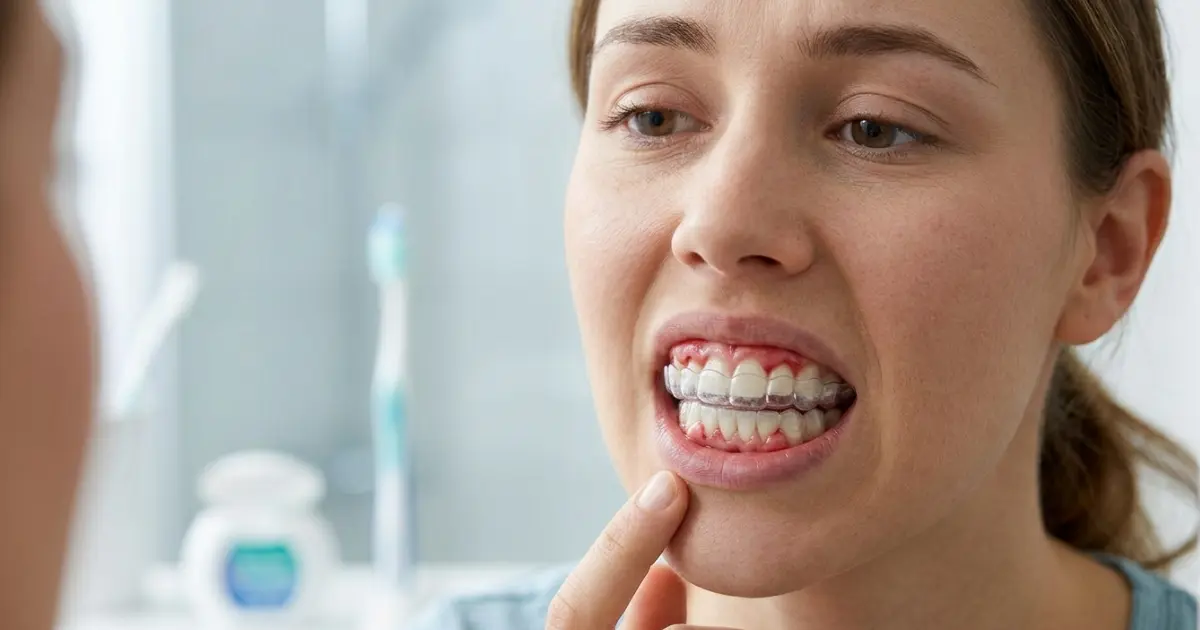
Should I wear my retainer if my gums are swollen? No, you should temporarily stop wearing your retainer if your gums are significantly swollen to prevent further irritation and allow healing. However, mild swelling may not require complete discontinuation, depending on the severity and underlying cause.
Swollen gums while wearing retainers can result from several factors. Poor retainer fit, inadequate cleaning, or bacterial buildup commonly cause gum irritation. Additionally, sharp retainer edges or allergic reactions to materials may trigger inflammation.
The key is distinguishing between mild irritation and severe gum inflammation. Furthermore, continuing to wear an ill-fitting retainer can worsen existing gum problems. Proper retainer cleaning and monitoring symptoms helps prevent complications.
TL;DR
- Stop wearing your retainer immediately if gums are significantly swollen to prevent further damage
- Mild swelling may allow continued wear with careful monitoring and improved oral hygiene
- See your orthodontist if swelling persists beyond 48 hours, bleeds, or shows signs of infection
- Resume wear gradually once inflammation subsides, starting with shorter periods
Should You Wear Your Retainer with Swollen Gums? The Short Answer
No, you should temporarily discontinue retainer wear if your gums are significantly swollen. Continuing to wear a retainer on inflamed gum tissue can worsen the condition and delay healing. However, the decision depends on distinguishing between mild irritation and severe gum inflammation.
Mild Swelling vs. Severe Inflammation
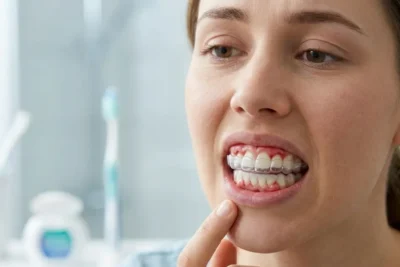
Mild gum swelling appears as slight puffiness around the gum line without bleeding or severe pain. Additionally, this type of irritation often resolves within 24-48 hours with improved oral hygiene. You may continue wearing your retainer for short periods while monitoring symptoms closely.
Severe gum inflammation presents with significant swelling, bleeding, or throbbing pain. Furthermore, these symptoms indicate tissue damage that requires immediate attention. Stop wearing your retainer immediately if you experience these warning signs.
Warning Signs Requiring Immediate Action
When Swollen Gums Indicate Serious Problems
Persistent gum swelling lasting more than 48 hours suggests underlying issues requiring professional evaluation. Moreover, swelling accompanied by fever, pus, or spreading inflammation indicates possible infection. These conditions demand immediate orthodontic or dental consultation.
Recurrent gum swelling with retainer wear often signals chronic gingivitis or periodontal disease. Consequently, addressing these conditions becomes essential before resuming regular retainer use. Your orthodontist may recommend modified wear schedules or retainer adjustments.
Risks of Continuing Wear with Ill-Fitting Retainers
Wearing an ill-fitting retainer on swollen gums creates a cycle of worsening inflammation. The pressure from tight or poorly fitting appliances restricts blood flow to gum tissue. Subsequently, this reduced circulation impairs the healing process and prolongs recovery time.
Sharp retainer edges or rough surfaces can create micro-abrasions on inflamed gum tissue. These small wounds become entry points for bacteria, potentially leading to secondary infections. Therefore, discontinuing wear allows tissues to heal without additional trauma.
Bacterial accumulation between swollen gums and retainer surfaces accelerates the inflammatory process. The warm, moist environment under retainers promotes harmful bacterial growth. Proper retainer cleaning becomes crucial once you resume wear after inflammation subsides.
Teeth can shift within 24-48 hours without retainer wear, but protecting gum health takes priority over temporary tooth movement
Understanding Why Retainers Cause Gum Swelling
Retainer-induced gum swelling stems from several mechanical and biological factors that disrupt normal gum tissue health. Understanding these underlying causes helps patients identify when their retainer requires adjustment or when they should temporarily discontinue wear.
Poor Retainer Fit and Gum Pressure
Ill-fitting retainers create excessive pressure against gum tissue, leading to inflammation and swelling. When retainers become too tight due to tooth movement or structural changes, they compress delicate gum tissues. This compression restricts blood circulation, causing tissues to become inflamed and puffy.
Additionally, retainer edges that press directly into the gum line create localized pressure points. These areas develop swelling as the body’s inflammatory response attempts to protect the compressed tissue. Consequently, patients often experience tenderness and visible gum enlargement around these contact zones.
Bacterial Accumulation and Hygiene Issues
Inadequate retainer cleaning allows harmful bacteria to accumulate on appliance surfaces and around gum margins. These bacteria produce toxins that irritate gum tissue, triggering inflammatory responses. Furthermore, food particles trapped between retainers and teeth provide additional nutrients for bacterial growth.
The warm, moist environment created by retainer wear promotes rapid bacterial multiplication. Plaque biofilms form quickly on uncleaned retainer surfaces, releasing inflammatory compounds directly onto gum tissue. Therefore, maintaining proper retainer cleaning protocols becomes essential for preventing gum inflammation.
Bacterial Warning Signs
Sharp Edges and Surface Irregularities
Rough retainer surfaces or sharp edges create mechanical trauma to gum tissue during normal wear. Manufacturing imperfections, wear patterns, or damage from improper cleaning can create these problematic areas. Subsequently, repeated contact with these rough spots causes micro-injuries that lead to localized swelling.
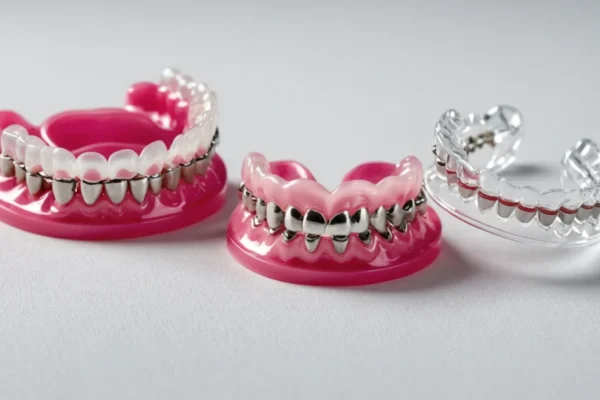
Wire retainers with bent or protruding wires pose particular risks for gum trauma. These metal components can scratch or puncture gum tissue, creating wounds that become inflamed. Moreover, plastic retainers with cracked edges or rough trimming lines similarly irritate surrounding gum areas.
Material Allergies and Sensitivities
Allergic reactions to retainer materials can manifest as gum swelling and inflammation. Common allergens include certain plastics, metals used in wire retainers, or adhesives used in retainer construction. These reactions typically develop gradually and affect multiple areas of gum tissue.
Nickel allergies represent the most frequent metal sensitivity affecting retainer wearers. Stainless steel wires containing nickel can trigger contact dermatitis in sensitive individuals. Consequently, affected patients experience widespread gum swelling, redness, and discomfort that persists throughout retainer wear.
Pre-existing Gum Disease Complications
Gingivitis or periodontal disease becomes exacerbated by retainer wear, leading to increased gum swelling. Inflamed gum tissue responds more severely to retainer pressure and bacterial exposure. Therefore, patients with existing gum conditions often experience amplified inflammatory responses.
Retainers can trap bacteria and debris in areas where gum disease has already compromised tissue health. These compromised areas lack the natural resistance of healthy gums, making them more susceptible to additional inflammation. Furthermore, reduced blood flow in diseased gum tissue impairs the healing response to retainer-related irritation.
Structural Changes Affecting Retainer Fit
Natural tooth movement and jaw growth can alter retainer fit over time, creating new pressure points against gum tissue. Even minor tooth shifts can cause retainers to contact gums differently than originally intended. These changes often develop gradually, making them difficult to notice until inflammation occurs.
Age-related changes in mouth structure also affect retainer fit and gum health. Gum recession or bone remodeling can expose new areas to retainer contact, creating previously absent pressure points. Additionally, changes in saliva production or composition can affect how retainers interact with oral tissues.
Up to 30% of retainer wearers experience some degree of gum irritation within the first year of use
Immediate Steps to Take When Gums Are Swollen
When gum swelling occurs from retainer wear, taking swift action prevents complications and promotes healing. The first priority involves removing the irritating retainer to stop further tissue damage. Subsequently, implementing targeted care measures reduces inflammation and supports gum recovery.
Remove Retainer Immediately
Discontinue retainer wear immediately when gum swelling becomes apparent. Continued pressure from the retainer worsens inflammation and delays healing. Moreover, persistent irritation can lead to more severe complications like gum recession or infection.
Clean the retainer thoroughly before storage to prevent bacterial buildup. Additionally, inspect the retainer for rough edges or damage that might have caused the irritation. Contact your orthodontist within 24-48 hours to discuss the swelling and determine when safe retainer wear can resume.
Saltwater Rinse Protocol
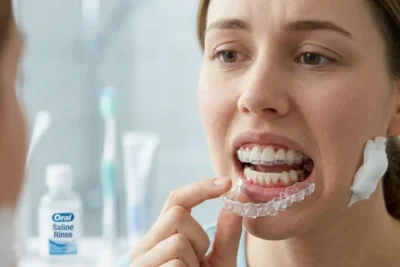
Gentle saltwater rinses provide natural anti-inflammatory benefits for swollen gums. Mix half a teaspoon of salt in eight ounces of warm water to create an effective healing solution. Rinse for 30 seconds, three to four times daily, focusing on affected areas.
The salt solution reduces bacterial load while drawing out excess fluid from inflamed tissue. Furthermore, warm water increases blood circulation to promote healing. Avoid aggressive swishing that might further irritate sensitive gum tissue.
Pain Management and Anti-Inflammatory Care
Over-the-counter anti-inflammatory medications effectively reduce both pain and swelling. Ibuprofen works particularly well because it targets inflammation at the cellular level. Take medications according to package directions, typically 200-400mg every six to eight hours.
Acetaminophen provides additional pain relief but lacks anti-inflammatory properties. Therefore, combining both medications under medical guidance maximizes comfort during healing. Always consult healthcare providers before mixing medications or if you have underlying health conditions.
Modified Oral Hygiene Routine
Switch to a soft-bristled toothbrush to minimize additional gum irritation during healing. Gentle circular motions clean teeth effectively without traumatizing inflamed tissue. Electric toothbrushes with pressure sensors help maintain consistent, gentle cleaning.
Use an alcohol-free mouthwash to avoid stinging sensitive gums. Additionally, consider therapeutic mouthwashes containing cetylpyridinium chloride for antimicrobial benefits. Floss carefully around affected areas, or temporarily use water flossers for gentler plaque removal.
Cold Therapy Application
External cold compresses reduce swelling and provide numbing relief for painful gums. Apply ice wrapped in a thin cloth for 15-20 minutes at intervals throughout the day. Never place ice directly against skin to prevent tissue damage.
Cold therapy constricts blood vessels, reducing inflammatory fluid accumulation in gum tissue. However, limit applications to prevent excessive vasoconstriction that might impair healing. Alternate between cold therapy and normal temperature periods for optimal results.
Dietary Modifications for Healing
Avoid foods that irritate inflamed gums during the healing process. Spicy, acidic, or hard foods can worsen inflammation and delay recovery. Citrus fruits, tomatoes, and crunchy snacks should be temporarily eliminated from your diet.
Choose soft, cool foods that soothe irritated tissue instead. Yogurt, smoothies, and cold soups provide nutrition without mechanical irritation. Additionally, foods rich in vitamin C and omega-3 fatty acids support tissue healing and reduce inflammation naturally.
When to Seek Professional Care
Monitor symptoms closely during the first few days of treatment. Most retainer-related gum swelling resolves within 3-5 days with proper care. However, persistent or worsening symptoms may indicate underlying issues requiring professional intervention.
When to Resume Retainer Wear Safely
Determining when to safely resume retainer wear requires careful assessment of your gum condition and systematic monitoring. Gum tissue typically requires 3-5 days to heal from retainer-related irritation, but individual recovery times vary based on severity and underlying oral health.
Signs That Gum Swelling Has Sufficiently Reduced
Several clear indicators signal that your gums have healed enough for retainer reintroduction. Normal pink coloration should return to previously inflamed areas, replacing the red or purple discoloration associated with swelling. Additionally, gentle finger pressure against the gum tissue should feel firm rather than spongy or tender.
Visual inspection reveals important healing markers that guide your decision. Healthy gum margins appear well-defined around teeth without puffiness or irregular contours. Furthermore, the absence of bleeding during gentle brushing or flossing indicates that inflammation has subsided sufficiently for retainer contact.
- Color normalization: Pink tissue replacing red inflammation
- Texture improvement: Firm consistency instead of swollen softness
- Pain reduction: No tenderness with light pressure
- Bleeding cessation: No blood during oral hygiene activities
Gradual Reintroduction With Shorter Wear Periods
Successful retainer reintroduction follows a progressive schedule that allows tissue adaptation. Start with 2-3 hour wear periods during the first day, monitoring for any return of discomfort or swelling. Gradually increase duration by 1-2 hours daily until reaching your prescribed wearing schedule.
Daytime wear provides better monitoring opportunities than overnight use during the reintroduction phase. This approach allows immediate removal if irritation develops, preventing overnight tissue damage. Moreover, conscious awareness during waking hours helps distinguish between normal adjustment pressure and problematic irritation.
| Day | Wear Duration | Monitoring Focus |
|---|---|---|
| 1 | 2-3 hours | Initial comfort assessment |
| 2 | 4-5 hours | Gum response evaluation |
| 3 | 6-8 hours | Extended tolerance check |
| 4+ | Normal schedule | Ongoing comfort monitoring |
Monitoring for Recurring Irritation or Discomfort
Vigilant observation during the reintroduction period prevents recurrence of gum problems. Immediate removal becomes necessary if you experience returning pain, pressure sensations, or visible tissue changes. Early intervention prevents minor irritation from developing into significant inflammation.
Document your experience through brief daily notes about comfort levels and tissue appearance. This record-keeping helps identify patterns and provides valuable information for your orthodontist if adjustments become necessary. Additionally, photographing your gums can create visual documentation of healing progress.
Red Flag Symptoms
Proper Retainer Cleaning Before Reinsertion
Thorough retainer sanitization eliminates bacteria that could reinfect healing gum tissue. Antibacterial cleaning solutions or gentle dish soap remove accumulated biofilm and food particles that promote bacterial growth. Proper cleaning techniques ensure your retainer doesn’t introduce harmful microorganisms to sensitive tissues.
Soaking your retainer in denture cleaner or retainer cleaning tablets provides deep sanitization beyond surface cleaning. However, avoid harsh chemicals or hot water that might warp the appliance material. Rinse thoroughly with cool water after chemical cleaning to remove residual cleaning agents that could irritate gums.
Checking Retainer Fit and Condition Before Resuming Use
Careful inspection of your retainer identifies potential problems that contributed to the original gum irritation. Rough edges, cracks, or warping can create pressure points that damage gum tissue during wear. Run your finger along all retainer surfaces, feeling for sharp areas or irregularities that need professional smoothing.
Proper fit assessment ensures the retainer seats correctly without excessive pressure on specific areas. The appliance should slide into position easily without forcing, and removal should require gentle pressure rather than aggressive pulling. Tight spots or binding indicate dimensional changes that require orthodontic evaluation and possible adjustment.
Consider scheduling a follow-up appointment with your orthodontist before resuming full-time wear, especially if swelling was severe or persistent. Professional assessment can identify fit issues invisible to untrained observation and prevent future gum problems through preventive adjustments.
Red Flags: When to See Your Orthodontist Immediately
Certain symptoms require immediate professional attention rather than home management. Severe gum swelling that persists beyond 48 hours indicates potential complications that exceed normal adjustment responses. While mild irritation often resolves with proper care, extensive inflammation suggests underlying issues requiring orthodontic intervention.
Persistent bleeding gums after retainer removal signal tissue damage that won’t heal without treatment. Normal gum irritation causes minimal bleeding that stops within hours of discontinuing wear. However, continuous bleeding indicates deeper tissue trauma or infection that demands professional evaluation and treatment.
Emergency Signs
Infection symptoms represent the most serious complications of retainer-related gum problems. Pus formation, fever, or inflammation spreading to facial tissues requires immediate medical intervention. Additionally, foul odors or tastes emanating from the affected area suggest bacterial overgrowth that won’t resolve without antibiotic treatment.
Furthermore, retainer fit changes due to gum swelling create ongoing problems beyond the initial irritation. When inflammation alters tissue dimensions, the appliance no longer seats properly and creates new pressure points. This cycle perpetuates gum damage and prevents proper healing without professional adjustment.
- Severe swelling lasting more than 48 hours
- Continuous bleeding after retainer removal
- Infection signs: pus, fever, spreading inflammation
- Poor retainer fit due to tissue changes
- Persistent pain despite discontinuing wear
- Visible gum recession or tissue damage
Persistent pain even after stopping retainer wear indicates tissue damage requiring professional assessment. Normal irritation subsides within 24-48 hours of removing the appliance. Ongoing discomfort suggests deeper tissue involvement or secondary complications that need orthodontic evaluation and treatment planning.
Most importantly, visible gum recession or tissue damage represents irreversible changes requiring immediate intervention. Receding gums expose tooth roots and create permanent aesthetic and functional problems. Early professional treatment can halt progression and potentially restore some tissue through specialized procedures.
Professional evaluation becomes essential when home management fails to resolve symptoms within the expected timeframe. Proper retainer cleaning and care prevent many complications, but certain situations exceed the scope of home treatment and require orthodontic expertise for safe resolution.
Preventing Future Gum Problems with Retainers
Prevention strategies significantly reduce the likelihood of developing gum problems with retainers. Moreover, establishing proper care routines protects both your oral health and your orthodontic investment. Consistent preventive measures eliminate most retainer-related complications before they begin.
Daily Retainer Cleaning with Appropriate Solutions
Daily cleaning removes bacterial buildup that causes gum inflammation and irritation. Furthermore, proper cleaning solutions prevent material degradation while maintaining retainer hygiene. Effective retainer cleaning methods include gentle brushing with antimicrobial solutions and thorough rinsing after each use.
Antibacterial retainer cleaners eliminate harmful bacteria without damaging appliance materials. Additionally, denture cleaning tablets provide effective sanitization when used according to manufacturer instructions. Avoid harsh chemicals like bleach or alcohol-based mouthwashes that can weaken retainer plastics and create rough surfaces.
Cleaning frequency directly impacts gum health outcomes. Therefore, rinse your retainer immediately after removal and brush it gently before reinsertion. This routine prevents bacterial accumulation that leads to gingivitis and gum swelling around retainer contact points.
Regular Orthodontic Check-ups for Fit Adjustments
Professional monitoring ensures optimal retainer fit throughout the retention period. Subsequently, regular adjustments prevent pressure points that cause gum irritation and tissue damage. Most orthodontists recommend check-ups every 6-12 months during active retention phases.
Fit assessments identify problems before they cause significant gum damage. Similarly, professional adjustments correct minor pressure points that develop as teeth settle into their final positions. Early intervention prevents the progression from mild irritation to severe gum recession or tissue loss.
Orthodontic professionals can modify retainer design when anatomical changes occur. Consequently, custom adjustments maintain proper fit while accommodating natural tissue variations. This personalized approach prevents the need to discontinue retainer wear due to comfort issues.
Proper Oral Hygiene Routine While Wearing Retainers
Enhanced oral hygiene becomes crucial when wearing retainers regularly. Meanwhile, thorough cleaning around retainer edges prevents bacterial accumulation in vulnerable areas. Interdental brushes effectively clean tight spaces where traditional toothbrushes cannot reach.
- Brush teeth thoroughly before retainer insertion
- Use fluoride toothpaste to strengthen enamel
- Floss carefully around retainer contact points
- Rinse with antimicrobial mouthwash after cleaning
- Remove retainers for proper cleaning access
Timing of oral hygiene activities affects prevention effectiveness. Therefore, clean your teeth immediately before bed when wearing nighttime retainers. This practice eliminates food particles and bacteria that could cause overnight gum irritation and inflammation.
Recognizing Early Signs of Gum Irritation
Early detection prevents minor irritation from progressing to serious gum problems. Additionally, prompt recognition allows for immediate corrective action before tissue damage occurs. Subtle changes in gum appearance often precede more obvious symptoms by several days.
Warning Signs to Monitor
Baseline gum appearance provides a reference point for detecting changes. Furthermore, regular self-examination in good lighting helps identify subtle color or texture variations. Document any persistent changes with photos to track progression and share with your orthodontist.
Pain patterns distinguish normal adjustment discomfort from problematic irritation. Consequently, sharp or throbbing pain indicates pressure points requiring immediate attention. Normal adaptation involves mild tenderness that gradually decreases over 3-5 days of consistent wear.
Gradual Break-in Period for New or Adjusted Retainers
Gradual introduction prevents tissue trauma from sudden pressure changes. Moreover, progressive wear schedules allow gums to adapt naturally without excessive stress. Start with 2-4 hour periods and gradually increase duration based on comfort levels.
Break-in protocols vary depending on retainer type and individual sensitivity. Therefore, removable retainers allow for flexible scheduling while fixed retainers require different adaptation strategies. Monitor gum response closely during the first week of wear.
Professional guidance optimizes break-in schedules for individual needs. Subsequently, customized wearing instructions prevent complications while ensuring effective tooth retention. Never rush the adaptation process to avoid unnecessary gum trauma and potential long-term problems.
Storage and Handling Best Practices
Proper storage maintains retainer condition and prevents contamination that causes gum problems. Additionally, correct handling techniques prevent damage that creates rough edges or poor fit. Ventilated storage cases allow air circulation while protecting from environmental contaminants.
Temperature control prevents warping that alters retainer fit and creates pressure points. Furthermore, avoid hot water, direct sunlight, or heated car interiors that can distort plastic materials. Room temperature storage maintains dimensional stability and proper fit characteristics.
Handling techniques prevent microscopic damage that irritates gum tissue. Therefore, grasp retainers firmly but gently, avoiding excessive force during insertion or removal. Clean hands before handling to prevent bacterial transfer that could cause gum infections or inflammation.
Regular inspection identifies wear patterns or damage requiring professional attention. Similarly, replace worn retainers promptly to maintain optimal gum health and treatment effectiveness. The American Dental Association recommends professional evaluation when retainers show signs of significant wear or damage.
Consequences of Not Wearing Your Retainer
Skipping retainer wear creates a cascade of orthodontic problems that extend far beyond simple tooth movement. Moreover, understanding these consequences helps you make informed decisions about temporary breaks during gum healing periods. The severity of effects depends on duration, individual factors, and your specific orthodontic history.
Timeline of Tooth Movement Without Retainer Wear
Immediate changes begin within hours of stopping retainer wear. Consequently, teeth start shifting back toward their original positions due to natural elastic fiber memory in the periodontal ligament. This process accelerates significantly during the first 72 hours without retention.
Within one week, noticeable spacing or crowding may develop, particularly in the lower front teeth. Furthermore, bite relationships can shift enough to affect chewing comfort and jaw alignment. The mandibular incisors typically show the most rapid movement due to their smaller root surface area.
| Time Period | Visible Changes | Reversibility |
|---|---|---|
| 24-48 hours | Slight tightness when reinserting retainer | Fully reversible |
| 1 week | Minor spacing or crowding | Usually reversible with consistent wear |
| 2-4 weeks | Noticeable tooth movement | May require adjustment or new retainer |
| 3+ months | Significant relapse | Often requires retreatment |
After one month without retainer wear, significant relapse occurs in most patients. Additionally, the retainer may no longer fit properly, requiring professional adjustment or replacement. Long-term abandonment often necessitates retreatment to restore proper alignment and function.
Balancing Orthodontic Maintenance with Gum Health
Effective balance requires prioritizing acute gum inflammation while minimizing orthodontic relapse risk. Therefore, temporary discontinuation may be necessary when gums show severe swelling, bleeding, or infection signs. Professional guidance helps determine when gum health takes precedence over retention protocols.
Gradual reintroduction works best after gum inflammation subsides. Similarly, shorter initial wearing periods allow tissues to readjust while maintaining some tooth stability. Monitor gum response carefully during the transition back to full-time wear.
Critical Balance Point
Short-term Breaks vs Long-term Retainer Abandonment
Strategic short breaks (24-72 hours) allow gum healing while minimizing orthodontic consequences. However, breaks exceeding one week significantly increase relapse risk and may require professional intervention. The key lies in planned, monitored discontinuation rather than indefinite abandonment.
Long-term abandonment creates irreversible changes that often require comprehensive retreatment. Furthermore, bone remodeling occurs over months, making tooth movement increasingly difficult to correct. Early intervention during short breaks prevents these costly complications.
- Short-term breaks (1-3 days): Minimal movement, easy correction
- Medium breaks (1-2 weeks): Noticeable changes, may need retainer adjustment
- Long-term abandonment (months): Significant relapse, often requires new treatment
Alternative Retention Methods During Gum Healing Periods
Passive retention techniques maintain some tooth stability without direct gum contact during healing periods. Consequently, these methods bridge the gap between complete abandonment and traditional retainer wear. Professional supervision ensures appropriate selection and application of alternative approaches.
Temporary bonded retainers on non-affected teeth provide partial retention while allowing gum recovery. Additionally, modified wearing schedules with frequent breaks can maintain some control over tooth movement. These approaches require careful monitoring to prevent complications.
Soft tissue management techniques accelerate gum healing while preparing for retainer resumption. Moreover, proper retainer cleaning protocols prevent recontamination when wear resumes. Antimicrobial rinses and gentle tissue massage support faster recovery times.
Communication with Orthodontist About Temporary Discontinuation
Immediate contact with your orthodontist prevents complications when gum problems arise. Subsequently, professional assessment determines whether discontinuation is necessary and for how long. Never make unilateral decisions about stopping retainer wear without professional input.
Documentation of gum symptoms helps orthodontists make informed recommendations about retention modifications. Furthermore, photos of affected areas provide valuable diagnostic information for remote consultations. Clear communication ensures coordinated care between dental and orthodontic professionals.
Professional guidance during gum healing periods prevents both orthodontic relapse and worsening inflammation, ensuring optimal long-term outcomes for both tooth position and periodontal health.
Follow-up scheduling ensures timely reassessment of both gum health and tooth stability. Additionally, modified treatment plans may include alternative retention methods or adjusted wearing schedules. Professional monitoring optimizes the balance between gum healing and orthodontic maintenance throughout the recovery period.
Frequently Asked Questions
Can you wear retainers with swollen gums?
You should temporarily stop wearing your retainer if your gums are significantly swollen. Mild swelling may allow continued wear with careful monitoring, but severe inflammation requires immediate discontinuation to prevent further damage and allow proper healing.
How do you make a swollen gum go down?
To reduce gum swelling, remove your retainer temporarily, rinse with warm salt water, maintain excellent oral hygiene, and avoid irritating the area. If swelling persists beyond 48 hours or worsens, consult your orthodontist or dentist immediately.
Can I go 2 hours without my retainer?
Yes, you can safely go 2 hours without your retainer, especially when dealing with gum inflammation. Protecting your gum health takes priority over temporary tooth movement. Teeth typically don’t shift significantly within such a short timeframe.
Is my retainer giving me gingivitis?
Yes, retainers can contribute to gingivitis through bacterial buildup, poor fit, or inadequate cleaning. If you notice persistent gum swelling, bleeding, or inflammation when wearing your retainer, it may be causing or worsening gingivitis.
Why do my retainers hurt my gums?
Retainer gum pain typically results from:
- Poor fit causing pressure points
- Sharp edges creating irritation
- Bacterial buildup from inadequate cleaning
- Allergic reactions to retainer materials
- Existing gum inflammation or gingivitis
Should I wear my retainer if my gums are bleeding?
No, stop wearing your retainer immediately if your gums are bleeding. Bleeding gums indicate inflammation or infection that requires healing time. Continuing to wear the retainer can worsen the condition and delay recovery.
Can retainers cause gum recession?
Yes, ill-fitting retainers can contribute to gum recession by applying excessive pressure on gum tissue. Sharp edges or tight-fitting appliances can damage the gum line over time, leading to permanent tissue loss if not addressed promptly.
How long should I wait before wearing my retainer again after gum swelling?
Wait until swelling completely subsides before resuming retainer wear, typically 24-48 hours for mild inflammation. Start with shorter wear periods and gradually increase duration. If swelling persists beyond 48 hours, consult your orthodontist before resuming use.
What should I do if my retainer makes my gums swell repeatedly?
Recurring gum swelling indicates your retainer needs professional adjustment. Contact your orthodontist immediately for evaluation. The retainer may require reshaping, replacement, or you may need treatment for underlying gum disease.
How can I prevent retainer-related gum problems?
Prevent gum issues by:
- Cleaning your retainer daily with appropriate solutions
- Maintaining excellent oral hygiene before insertion
- Having regular orthodontic check-ups for fit adjustments
- Removing the retainer at first signs of irritation
- Avoiding eating or drinking anything except water while wearing retainers
When should I see my orthodontist about retainer-related gum swelling?
Seek professional help if you experience:
- Swelling lasting more than 48 hours
- Bleeding gums with retainer wear
- Signs of infection (fever, pus, spreading inflammation)
- Recurring gum problems with retainer use
- Severe pain or throbbing in the gums
Will my teeth shift if I don't wear my retainer due to gum swelling?
While teeth can begin shifting within 24-48 hours without retainer wear, protecting your gum health is the priority. Minor tooth movement is reversible, but gum damage can be permanent. Resume wear gradually once inflammation resolves to minimize any shifting.
Can I use pain relievers while dealing with retainer-related gum swelling?
Yes, over-the-counter anti-inflammatory medications like ibuprofen can help reduce gum swelling and pain. However, this should be temporary relief while addressing the underlying cause. Always follow package directions and consult your healthcare provider if symptoms persist.
You May Also Like
Can I Wear My Retainer After Wisdom Teeth Removal?

Can I Drink With My Retainer In? Complete Safety Guide