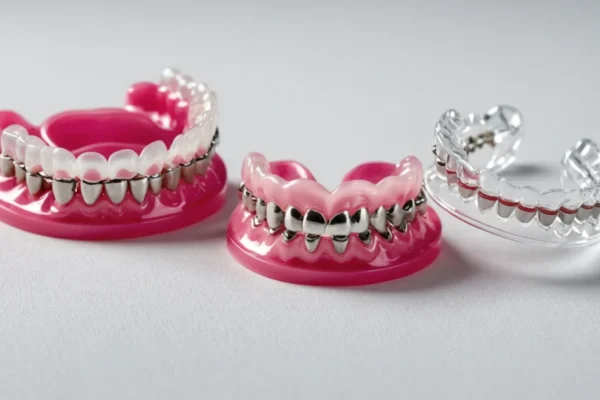
Can I Wear My Retainer After Wisdom Teeth Removal?

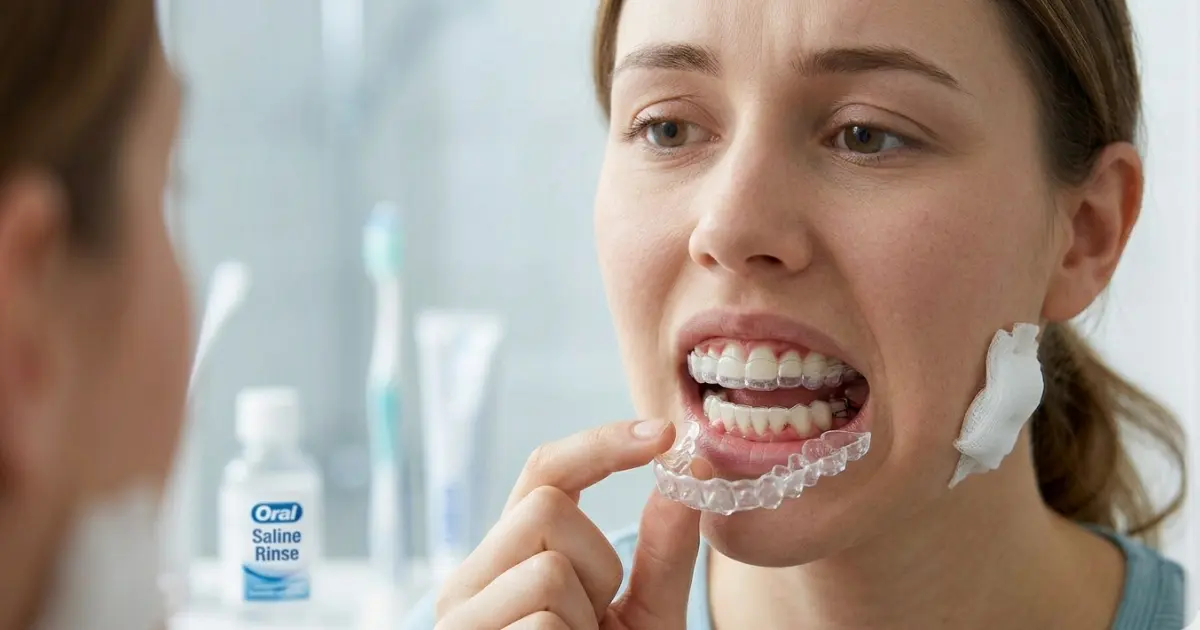
Can I wear my retainer after wisdom teeth removal? Most dental professionals recommend waiting 24-48 hours before wearing your retainer after wisdom tooth extraction. However, the exact timeline depends on your healing progress, extraction complexity, and individual recovery factors.
Wearing your retainer too soon can disrupt blood clots and increase your risk of dry socket. Additionally, post-surgical swelling may cause your retainer to fit improperly, creating pressure on sensitive extraction sites.
The safest approach involves coordinating care between your oral surgeon and orthodontist. Furthermore, monitoring your healing progress helps determine when it’s safe to resume normal retainer use. If you experience swollen gums, additional precautions may be necessary.
TL;DR
- Wait 24-48 hours minimum before wearing retainers after wisdom teeth removal
- Dry socket risk increases with immediate retainer use due to blood clot disruption
- Post-surgical swelling can cause improper fit and pressure on extraction sites
- Coordinate with both your oral surgeon and orthodontist for personalized guidance
- Resume gradual use only when healing progresses and swelling subsides
Can You Wear Your Retainer After Wisdom Teeth Removal?
The general recommendation from dental professionals is to wait at least 24-48 hours before wearing your retainer after wisdom teeth removal. However, this timeline can extend to one week or longer depending on your specific healing circumstances and extraction complexity.
Most oral surgeons advise patients to prioritize healing over orthodontic maintenance during the initial recovery period. Therefore, temporary retainer discontinuation prevents complications that could compromise your surgical sites.
Risk Factors of Immediate Retainer Use
Wearing your retainer immediately after extraction creates several serious risks. Dry socket development represents the most significant concern, as retainer pressure can dislodge protective blood clots from extraction sites.
Additionally, post-surgical swelling alters your mouth’s dimensions, causing retainers to fit improperly. This misalignment creates excessive pressure on healing tissues and can delay recovery by several days or weeks.
- Blood clot disruption leading to painful dry socket condition
- Increased infection risk from bacteria trapped under ill-fitting retainers
- Delayed healing due to constant pressure on extraction sites
- Tissue damage from retainer edges pressing against swollen gums
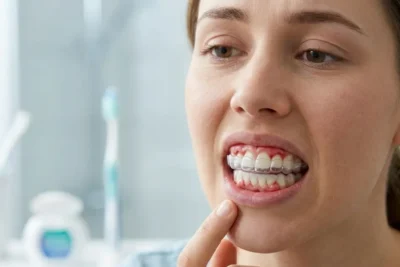
Furthermore, retainers can worsen gum swelling when worn during the acute inflammatory phase following surgery. Consequently, waiting allows inflammation to subside naturally.
Individual Healing Timeline Variations
Recovery timelines vary significantly between patients based on multiple factors. Age, overall health, and extraction complexity all influence how quickly you can safely resume retainer wear.
Younger patients typically heal faster, often returning to retainer use within 3-5 days. Meanwhile, older adults or those with compromised immune systems may require 7-14 days before retainer wear becomes safe.
| Patient Factor | Typical Timeline | Special Considerations |
|---|---|---|
| Age 16-25 | 3-5 days | Faster healing, monitor swelling |
| Age 26-40 | 5-7 days | Standard recovery period |
| Age 40+ | 7-14 days | Extended healing time needed |
| Complex extraction | 10-14 days | Bone removal or impaction |
Moreover, the number of teeth extracted affects recovery duration. Single tooth extractions typically allow earlier retainer resumption compared to multiple wisdom teeth removal procedures.
Following Professional Dental Guidance
Coordinating care between your oral surgeon and orthodontist ensures optimal timing for retainer resumption. Both professionals must evaluate your healing progress before clearing you for normal retainer use.
Your oral surgeon monitors extraction site healing and identifies potential complications. Simultaneously, your orthodontist assesses whether temporary retainer discontinuation affects your teeth’s alignment significantly.
Important Safety Note
Professional guidance becomes especially critical for Invisalign retainer users after wisdom teeth removal. These clear aligners may require adjustment or replacement if your bite changes during the healing process.
Finally, gradual retainer reintroduction works better than immediate full-time wear. Start with short wearing periods and gradually increase duration as comfort improves and healing progresses.
Why You Should Wait Before Wearing Your Retainer
Wearing your retainer immediately after wisdom teeth removal creates serious complications that can derail your recovery. Understanding these risks helps you make informed decisions about your oral health during the healing period.
Dry Socket Risk and Blood Clot Disruption
Dry socket represents one of the most painful complications following tooth extraction. This condition occurs when the protective blood clot dislodges from the extraction site, exposing underlying bone and nerves to air and bacteria.
Retainers apply consistent pressure across your teeth and gums. Consequently, this pressure can destabilize the delicate blood clots forming over your extraction sites. The suction created when removing your retainer also poses risks for clot displacement.
Dry socket affects 2-5% of all tooth extractions but increases to 20-30% when proper healing protocols are ignored
Pressure on Extraction Sites and Healing Tissue
Fresh extraction sites require gentle treatment during the initial healing phase. Your retainer exerts mechanical force designed to maintain tooth positioning, but this same force becomes problematic for vulnerable healing tissue.
Furthermore, the extraction areas contain soft, regenerating tissue that cannot withstand normal retainer pressure. Premature retainer use can cause tissue damage, bleeding, and delayed wound closure at these sensitive sites.
Swelling and Inflammation Affecting Retainer Fit
Post-extraction swelling significantly alters your mouth’s dimensions and bite alignment. Your retainer was custom-fitted to your pre-surgery mouth shape, making it incompatible with your swollen post-operative anatomy.
Additionally, inflammation peaks 48-72 hours after wisdom teeth removal. During this period, forcing an ill-fitting retainer into place can worsen swelling and create additional pressure points that impede healing.
Patients with swollen gums should particularly avoid retainer use until inflammation subsides completely.
Potential for Increased Pain and Discomfort
Wisdom teeth removal already causes significant discomfort through tissue trauma and bone manipulation. Adding retainer pressure compounds this pain unnecessarily and can overwhelm your body’s natural pain management systems.
Moreover, retainer-induced pressure activates pain receptors in already sensitized tissue. This creates a cycle where increased pain leads to muscle tension, which further amplifies discomfort throughout your jaw and face.
Pain Warning Signs
Interference with Natural Healing Process
Your body follows a precise healing timeline after tooth extraction. Blood clot formation occurs within hours, followed by tissue regeneration and bone remodeling over several weeks.
Retainer pressure disrupts this carefully orchestrated process by preventing proper blood flow to healing tissues. Reduced circulation slows nutrient delivery and waste removal, ultimately extending your recovery time.
Additionally, the constant mechanical stress from retainer wear can trigger inflammatory responses that interfere with normal tissue repair mechanisms. This interference may result in poor healing quality and increased risk of complications.
Timeline for Resuming Retainer Use
Understanding the proper timeline for resuming retainer wear after wisdom teeth removal helps ensure optimal healing while maintaining your orthodontic results. However, this timeline varies significantly based on individual healing factors and surgical complexity.
First 24-48 Hours: Complete Avoidance Recommended
The initial 24-48 hours represent the most critical healing period when blood clots form and stabilize. During this time, complete retainer avoidance prevents clot disruption and reduces bleeding risk.
Furthermore, peak swelling occurs during this window, making retainer insertion both uncomfortable and potentially harmful. Your mouth requires maximum space for natural healing processes without external pressure or interference.
Days 3-7: Gradual Assessment of Healing Progress
Between days 3-7, swelling typically begins subsiding while tissue healing accelerates. Nevertheless, this period requires careful assessment rather than automatic retainer resumption.
Patients should evaluate pain levels, swelling reduction, and mouth opening capacity before considering retainer use. Additionally, any signs of infection or delayed healing warrant extended retainer avoidance.
Week 1-2: Potential for Limited Retainer Use
Most patients can consider limited retainer use during the 1-2 week timeframe, provided healing progresses normally. However, this doesn’t mean immediate return to full-time wear schedules.
Start with short wearing periods of 2-3 hours to assess comfort and fit. Gradually increase duration only if no pain, pressure, or bleeding occurs during or after wear.
| Timeline | Retainer Status | Key Considerations |
|---|---|---|
| 0-48 hours | Complete avoidance | Blood clot formation, peak swelling |
| 3-7 days | Assessment phase | Monitor healing, evaluate comfort |
| 1-2 weeks | Limited trial use | Short periods, gradual increase |
| 2+ weeks | Potential full resumption | Based on complete healing |
Factors Affecting Individual Timelines
Several factors significantly influence your personal retainer resumption timeline beyond standard healing periods. Age plays a crucial role, as younger patients typically heal faster than older adults.
Surgical complexity also affects recovery duration. Simple extractions allow earlier retainer use compared to impacted wisdom teeth removal requiring bone removal or tissue manipulation.
- Patient age and overall health status
- Number of teeth extracted simultaneously
- Surgical complexity and tissue trauma
- Post-operative complications or infections
- Individual healing rate variations
- Smoking status and lifestyle factors
Additionally, patients with compromised immune systems or certain medical conditions may require extended healing periods before safely resuming retainer wear. Swollen gums from any cause necessitate delayed retainer use regardless of extraction healing.
Signs That Indicate Readiness to Resume Wearing
Recognizing proper healing indicators helps determine when retainer resumption becomes safe and appropriate. Reduced swelling represents the most obvious sign that tissues can accommodate retainer pressure.
Pain levels should decrease significantly before attempting retainer use. Persistent or increasing pain suggests ongoing inflammation that requires additional healing time.
Ready to Resume Indicators
Moreover, your ability to open your mouth normally indicates sufficient tissue healing for retainer insertion. Restricted jaw movement suggests continued inflammation requiring more recovery time.
Finally, consult your oral surgeon or orthodontist before resuming retainer wear, especially if you experience any unusual symptoms or delayed healing. Professional guidance ensures safe retainer resumption while protecting your investment in orthodontic treatment.
What to Do If Your Retainer Doesn't Fit
Post-extraction swelling frequently causes retainers to feel tight, uncomfortable, or completely unwearable. However, understanding whether these fit issues represent temporary healing effects or permanent changes helps determine your next steps.
Common Reasons for Fit Changes After Extraction
Tissue swelling creates the most frequent cause of retainer fit problems following wisdom teeth removal. Inflammation affects not only extraction sites but also surrounding gum tissues, cheeks, and jaw muscles. Consequently, your mouth’s internal dimensions change temporarily, making previously comfortable retainers feel restrictive.
Additionally, jaw muscle tension from surgical trauma can alter your bite pattern and jaw positioning. This muscular response affects how your teeth align when closing your mouth, potentially making retainer insertion difficult or painful.
Blood clot formation at extraction sites also contributes to fit issues. These protective clots occupy space where teeth previously existed, temporarily changing your mouth’s internal contours until healing progresses.
Temporary vs. Permanent Fit Issues
Most retainer fit problems following wisdom teeth removal resolve naturally as healing progresses. Temporary issues typically stem from swelling, muscle tension, and initial healing responses that subside within 7-14 days.
However, permanent fit changes can occur if wisdom teeth extraction significantly alters your bite or if prolonged retainer absence allows teeth to shift. Furthermore, complications like infections or dry socket may create lasting tissue changes affecting retainer fit.
Important Distinction
When to Contact Your Orthodontist
Contact your orthodontist immediately if your retainer causes severe pain when attempting insertion, even after initial healing. This discomfort suggests either inadequate healing or significant tooth movement requiring professional assessment.
Similarly, reach out if your retainer won’t fit at all after swelling resolves completely. This situation indicates potential tooth shifting that requires prompt intervention to prevent further orthodontic relapse.
- Persistent pain during retainer insertion attempts
- Complete inability to insert retainer after 2-3 weeks
- Visible tooth movement or gaps appearing
- Retainer cracking or breaking during insertion attempts
- Unusual swelling or signs of infection
Additionally, consult your orthodontist if you notice visible tooth movement or new gaps developing between teeth. Early intervention prevents extensive orthodontic relapse requiring lengthy treatment.
Potential Need for Retainer Adjustment or Replacement
Your orthodontist may recommend retainer adjustments if minor fit issues persist after complete healing. These modifications involve reshaping or trimming specific areas to accommodate post-surgical changes while maintaining effective tooth retention.
However, complete retainer replacement becomes necessary if significant tooth movement occurs during the recovery period. New impressions and fabrication ensure optimal fit and effective orthodontic maintenance.
Moreover, patients with swollen gums from any cause may require temporary retainer modifications until tissues return to normal. Professional evaluation determines whether adjustment or replacement provides the best solution.
Maintaining Teeth Alignment During Recovery Period
Protecting your orthodontic investment during wisdom teeth recovery requires proactive strategies. Gentle jaw exercises help maintain muscle flexibility while promoting healing, potentially reducing fit issues when resuming retainer wear.
Furthermore, avoiding hard or chewy foods prevents excessive jaw strain that could exacerbate swelling or delay healing. Soft foods reduce mechanical stress on healing tissues while supporting faster recovery.
Finally, maintaining excellent oral hygiene prevents complications that could prolong healing or create additional fit issues. Gentle brushing and prescribed rinses support healthy healing while preparing tissues for comfortable retainer resumption.
Safe Retainer Use During Recovery
Resuming retainer wear after wisdom teeth removal requires careful attention to proper techniques and safety protocols. Gentle insertion and removal prevents additional trauma to healing tissues while maintaining orthodontic progress. Therefore, patients must approach retainer use with modified techniques during the recovery period.
Gentle Insertion and Removal Techniques
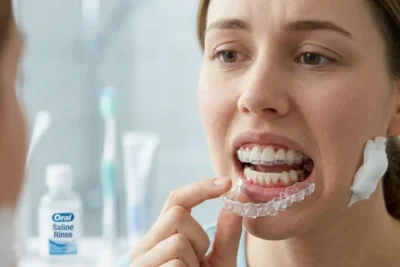
Proper insertion begins with clean hands and a sanitized retainer to prevent infection. Consequently, patients should wash thoroughly before handling any oral appliance during the healing phase.
Furthermore, slow and controlled movements reduce pressure on sensitive surgical sites. Patients must avoid forcing the retainer into position, as excessive pressure can disrupt healing tissues or cause pain.
Similarly, removal requires the same gentle approach to prevent tissue irritation. Gradual loosening from multiple points distributes pressure evenly rather than creating concentrated stress on healing areas.
Shortened Wearing Periods Initially
Reduced wearing time allows tissues to adapt gradually while maintaining some orthodontic retention. Most orthodontists recommend starting with 2-4 hour periods during the first week after clearance.
Additionally, patients should monitor comfort levels throughout each wearing session. Increasing discomfort signals the need to remove the retainer immediately, as prolonged pressure can impede healing.
Gradually extending wear time over several weeks helps tissues accommodate the retainer while supporting continued healing. Progressive increases of 1-2 hours daily typically work well for most patients.
Proper Cleaning and Hygiene Protocols
Enhanced cleaning protocols become essential during post-surgical recovery to prevent complications. Thorough sanitization before each use eliminates bacteria that could cause infections in healing tissues.
Moreover, patients should clean retainers more frequently than usual during recovery periods. Proper cleaning techniques include gentle brushing with soft bristles and antimicrobial soaking solutions recommended by dental professionals.
Additionally, immediate cleaning after removal prevents bacterial buildup that could transfer back to the mouth. This practice becomes particularly important when tissues remain vulnerable to infection.
Monitoring for Signs of Complications
Patients must watch for specific warning signs that indicate retainer use should stop immediately. Increased pain, swelling, or bleeding after retainer insertion suggests tissue irritation or potential complications.
Warning Signs to Watch
Furthermore, persistent discomfort beyond normal healing sensations requires professional evaluation. Tissues should gradually become more comfortable with retainer wear, not increasingly painful.
Additionally, patients should monitor for signs of dry socket formation, a serious complication that retainer pressure could potentially worsen. Severe, throbbing pain radiating to the ear typically characterizes this condition.
When to Remove Retainer Immediately
Certain situations require immediate retainer removal to prevent complications or worsening of existing problems. Sharp, stabbing pain during insertion indicates potential tissue damage that needs immediate attention.
- Severe pain that worsens with retainer wear
- Fresh bleeding from surgical sites
- Signs of infection including pus or unusual discharge
- Fever or systemic illness symptoms
- Suspected dry socket development
Moreover, patients should remove retainers before taking pain medications that cause drowsiness. Unconscious jaw clenching during sleep can create excessive pressure on healing tissues when combined with retainer wear.
Finally, any retainer damage or sharp edges requires immediate discontinuation until professional repair. Damaged appliances can cause cuts or irritation to vulnerable post-surgical tissues, potentially leading to serious complications.
Professional Guidance and Follow-Up Care
Professional coordination between your oral surgeon and orthodontist ensures optimal outcomes when managing retainer wear after wisdom teeth removal. These specialists collaborate to develop personalized timelines that balance surgical healing requirements with orthodontic maintenance needs.
Your oral surgeon provides detailed post-operative instructions specific to your extraction complexity, while your orthodontist adjusts retainer protocols accordingly. This coordinated approach prevents complications such as dry socket formation or tissue irritation that could compromise both healing and tooth alignment.
Pre-Surgery Planning for Retainer Management
Effective pre-surgical planning addresses retainer management strategies before wisdom teeth extraction occurs. Your orthodontist evaluates current appliance fit, identifies potential pressure points, and determines whether temporary modifications are necessary.
Additionally, specialists assess the proximity of wisdom teeth to existing orthodontic hardware or previously treated areas. This evaluation helps predict how extraction sites might affect retainer comfort and determines optimal resumption timelines.
Furthermore, pre-surgical consultations establish clear communication protocols between your dental team members. Coordinated care ensures that post-operative instructions align with orthodontic treatment goals and minimize conflicting recommendations.
Post-Operative Check-ups and Assessments
Scheduled post-operative assessments monitor healing progress and determine appropriate retainer resumption timing. Your oral surgeon examines extraction sites for proper clot formation, tissue regeneration, and absence of complications during these visits.
- Initial 24-48 hour follow-up for immediate complications
- One-week assessment for healing progression evaluation
- Two-week check for tissue maturation and retainer clearance
- Monthly monitoring until complete healing occurs
Meanwhile, orthodontic evaluations focus on tooth movement patterns and retainer effectiveness during the recovery period. These assessments help identify any unwanted shifting that occurred during temporary retainer discontinuation.
Moreover, combined consultations allow both specialists to observe how retainer resumption affects surgical sites directly. This collaborative monitoring ensures that orthodontic needs don’t compromise surgical healing outcomes.
Customized Recommendations Based on Extraction Complexity
Simple extractions typically allow earlier retainer resumption compared to complex surgical procedures involving bone removal or tissue grafting. Your dental team customizes recommendations based on specific procedural factors and individual healing responses.
Impacted wisdom teeth requiring extensive surgical intervention necessitate longer retainer suspension periods. These complex cases often involve significant tissue trauma that requires extended healing time before introducing retainer pressure.
Conversely, straightforward extractions with minimal tissue disruption may permit modified retainer wear within days rather than weeks. However, even simple cases require professional clearance before resuming normal orthodontic protocols.
Additionally, patients with multiple extraction sites receive individualized guidance based on healing variability between different locations. Some areas may heal faster than others, requiring staged retainer resumption approaches.
Long-term Orthodontic Considerations
Wisdom teeth removal can create long-term orthodontic implications that affect retainer effectiveness and treatment stability. Removal of these teeth may reduce crowding pressure, potentially improving overall tooth alignment maintenance.
However, temporary retainer discontinuation during healing periods can allow minor tooth movements that require correction. Your orthodontist monitors these changes and adjusts retainer protocols to address any shifting that occurred.
Furthermore, some patients experience improved retainer comfort after wisdom teeth removal due to reduced oral crowding. This enhanced comfort often leads to better compliance with long-term retention protocols.
Finally, extraction sites eventually remodel and mature, potentially affecting retainer fit over time. Regular orthodontic evaluations ensure that appliances continue providing effective tooth position maintenance as oral structures adapt to post-extraction anatomy. Patients experiencing persistent discomfort should consult their orthodontist, as swollen gums or other complications may require professional attention.
Frequently Asked Questions
When can you wear your retainers after wisdom teeth removal?
Most dental professionals recommend waiting 24-48 hours minimum before wearing your retainer after wisdom teeth removal. However, the exact timeline depends on your healing progress, extraction complexity, and individual factors. Some patients may need to wait up to one week or longer.
Can retainers cause dry socket after wisdom teeth removal?
Yes, wearing retainers too soon after extraction can increase your risk of dry socket. The pressure from an ill-fitting retainer can dislodge protective blood clots from extraction sites, leading to this painful condition that significantly delays healing.
Can you go a week without wearing retainers after wisdom teeth removal?
Yes, it’s safe to go a week without wearing retainers after wisdom teeth removal. In fact, prioritizing healing over orthodontic maintenance during the initial recovery period is recommended by most oral surgeons. Your teeth won’t shift significantly in one week.
Why do retainers hurt after wisdom teeth removal?
Retainers may hurt after wisdom teeth removal due to post-surgical swelling that alters your mouth’s dimensions. This causes retainers to fit improperly, creating excessive pressure on healing tissues and sensitive extraction sites.
Can I wear my retainer after molar extraction?
The same guidelines apply to molar extractions as wisdom teeth removal. Wait 24-48 hours minimum and follow your dentist’s specific instructions. The healing timeline may vary based on the extraction’s complexity and your individual recovery factors.
Should I still wear my retainer if my wisdom teeth are coming in?
Consult your orthodontist about retainer use when wisdom teeth are erupting. Emerging wisdom teeth can create pressure and discomfort when combined with retainer wear. Your orthodontist may recommend temporary modifications to your retainer schedule.
Can I wear Invisalign retainers after wisdom teeth removal?
The same waiting period applies to Invisalign retainers as traditional retainers. Wait 24-48 hours minimum and ensure proper healing before resuming wear. Clear aligners can also disrupt blood clots and cause pressure on extraction sites.
What happens if I wear my retainer too soon after extraction?
Wearing your retainer too soon can lead to several complications:
- Dry socket development from blood clot disruption
- Increased infection risk from bacteria trapped under ill-fitting retainers
- Delayed healing due to constant pressure on extraction sites
- Tissue damage from retainer edges pressing against swollen gums
How do I know when it's safe to wear my retainer again?
Signs that it’s safe to resume retainer wear include:
- Reduced swelling in the extraction area
- Stable blood clots at extraction sites
- Minimal pain when opening your mouth
- Clearance from your oral surgeon or dentist
Should I coordinate with both my oral surgeon and orthodontist?
Yes, coordinating care between both professionals ensures optimal timing for retainer resumption. Your oral surgeon monitors extraction site healing, while your orthodontist assesses whether temporary retainer discontinuation affects your orthodontic progress.
Does age affect how long I should wait to wear my retainer?
Yes, age significantly impacts healing timelines. Younger patients (16-25) typically heal faster and may resume retainer wear within 3-5 days. Older adults (40+) may require 7-14 days due to slower healing processes.
What should I avoid after wisdom teeth removal to protect my retainer timeline?
To ensure safe retainer resumption, avoid:
- Smoking or tobacco use which delays healing
- Drinking through straws which can dislodge blood clots
- Vigorous rinsing that disrupts extraction sites
- Hard or crunchy foods that create pressure
- Excessive physical activity that increases bleeding risk
Will my teeth shift if I don't wear my retainer for several days?
While some minor shifting may occur, a few days to a week without retainer wear typically won’t cause significant orthodontic relapse. The healing benefits far outweigh the minimal risk of temporary tooth movement during recovery.
You May Also Like
Should I Wear My Retainer If My Gums Are Swollen? Expert Guide

Can I Drink With My Retainer In? Complete Safety Guide