The Oral Microbiome and Its Impact on Immunity
 Anmita Das
Key Takeaways
Essential insights to remember
Your mouth is your immune system's first checkpoint — the bacteria living there either support your defences or force them into overdrive.
Plaque and tartar act as breeding grounds for harmful bacteria, making professional dental cleanings essential, not optional.
Saliva is a natural antimicrobial defence system — staying hydrated keeps it working and slows bacterial buildup.
How often you consume sugar matters more than how much — frequent snacking gives bacteria a continuous fuel supply and prevents your mouth from resetting.
Oral bacteria can enter the bloodstream through inflamed gum tissue, linking poor gum health to systemic conditions like cardiovascular disease.
Your mouth is a crowded little ecosystem that never sleeps. There are hundreds of bacterial species living there right now. Some help you, while others can wreak havoc if you neglect good oral habits. What many people don’t know is that the immune system spends a surprising amount of time dealing with whatever happens in that tiny space.
The mouth acts as one of the first places where your immune system gets challenged every day. Whether you eat something sweet or stay dehydrated for hours, the balance in your mouth will shift. Bacteria respond quickly to changes. Your immune system responds too. And if the mouth gets messy, the immune system ends up doing extra work that could’ve been avoided.
Your Mouth Is the First Checkpoint for Your Immune System
Everything you eat, drink, or breathe passes through your mouth first. This makes your mouth an important ally in fighting harmful pathogens. Your immune system relies on the bacteria in your mouth to act as an early defence line.
Things quickly go in favour of the dangerous bacteria when we adopt unhealthy habits. Some people chew candy all the time. Others smoke or refuse to floss. But if you suspect an imbalance, you can restore your oral health, and it all begins with small adjustments. Start flossing at least once a day if you only brush. You can modify your brushing method if the gums are bleeding. All of this requires a few more minutes of your time, making it doable but extremely helpful.
Dental Care Resets the Map
Brushing carefully doesn’t automatically mean your mouth will be clean all the time. Plaque tends to build up in awkward corners of the mouth, and if not taken care of, it can harden into tartar. Once that process is done, it’s impossible to remove it with your toothbrush alone.
A mouth full of tartar is a source of stress for your immune system. Since it cannot be removed manually, it acts as a breeding ground for harmful bacteria, keeping your immune system in a continuous fight mode. That’s where professional cleaning comes in. Skipping dental visits for years lets bacteria build small empires. Nobody wants bacterial empires inside their gums.
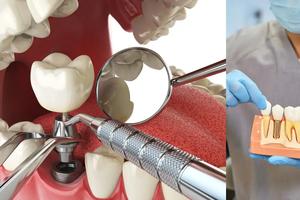
But this isn’t about regular cleaning only. Oral care is complex, and sometimes restoring balance requires more work. That is why advice around wisdom dental care in Penrith often focuses on keeping those areas clean and removing wisdom teeth when necessary. Neglected wisdom teeth can create pockets where bacteria grow fast, and inflammation follows.
Gum Inflammation Is Not Something to Ignore
Bleeding gums after brushing and flossing aren’t normal. The only instance where a little bit of blood is somewhat normal is when you switch to slightly more aggressive habits, like using oral irrigators. Even then, this is just an adjustment period for some people, and the issue shouldn’t persist with continuous use. In any other case, bleeding gums usually mean the immune system is already responding to something.
Long-term inflammation can affect how efficiently your immune defences operate elsewhere in the body. It’s like leaving a low alarm ringing all day. Eventually, it drains attention from everything else. Fixing the problem usually starts with boring basics. Brush properly. Floss even if you don’t love it. Remove the plaque before it becomes a permanent tenant, and you’ll be good to go.
Saliva Is Quietly Running Security
Saliva is a hero, and unfortunately, many people don’t know this. It’s full of useful enzymes, antimicrobial compounds, and antibodies. All of these are crucial elements that help keep bacteria in check. It also physically rinses food particles and microbes away from teeth. That said, every time you swallow, a small cleaning cycle happens.
Now imagine that system slowing down. That’s what happens when your mouth gets dry. Without enough saliva to do manual cleaning, bacteria suddenly get more time to settle in and organise themselves. When you’re dehydrated or drinking coffee constantly, you unknowingly can make this worse.
Energy drinks and sugars affect saliva production, too. The mouth loses its natural rinse mechanism. Water fixes more than people realise. Drink enough, and your mouth actually starts helping itself again. Rinse your mouth when possible. It won’t do much, but it will soften the impact.
Sugar Changes the Entire Microbial Mood
Bacteria absolutely love sugar. Who can blame them when sugar is so addictive? But if you cave in and give them enough of it, they will start doing damage. When certain bacterial species that feed on sugars manage to access it, they will consume it and release acid as a by-product. This is a normal cycle, but that acid will affect your enamel. Acid also irritates gum tissue. Some may think that bacterial by-products can’t do much damage. But that’s exactly why we have almost 30,000 dentists here in Australia. The longer sugar hangs around, the longer those bacteria stay active and the more damage they do.
Here’s the part people often miss: frequency matters more than quantity. One dessert with dinner isn’t the same as sipping a sugary drink for three hours straight. In the second scenario, bacteria basically get an all-you-can-eat buffet. Your mouth never resets. A simple fix is to group sweet foods with meals instead of grazing on them all day. That gives saliva time to neutralise the acids afterwards. Small adjustment, but it’s a big difference.
Mouth Bacteria Sometimes Go Travelling
Mouth bacteria aren’t limited strictly to living inside the mouth. Your gums are full of tiny blood vessels, and when the tissue becomes inflamed or irritated, the blood vessels are essentially dilated. Bacteria can then slip into the bloodstream through microscopic openings.
Of course, this doesn’t happen constantly. But then again, it happens enough that scientists study it closely. Researchers have found oral bacteria in places you wouldn’t expect, including arterial plaque. That discovery helped explain why doctors increasingly connect gum health with overall health. The main takeaway here is that our mouth isn’t isolated from the rest of the body. It’s more like a busy entry point. Keeping gum tissue healthy reduces the chances of bacteria wandering off into places they don’t belong.
Conclusion
Consistent habits support helpful microbes and reduce inflammation. None of this requires complicated routines. It just requires repetition. Your mouth runs a microbial ecosystem twenty-four hours a day. You’re either managing that ecosystem or letting bacteria run the place themselves. Bacteria are terrible property managers, so do your best to get rid of the bad guys as soon as possible.