What Is a Hawley Retainer? Complete Guide & Comparison

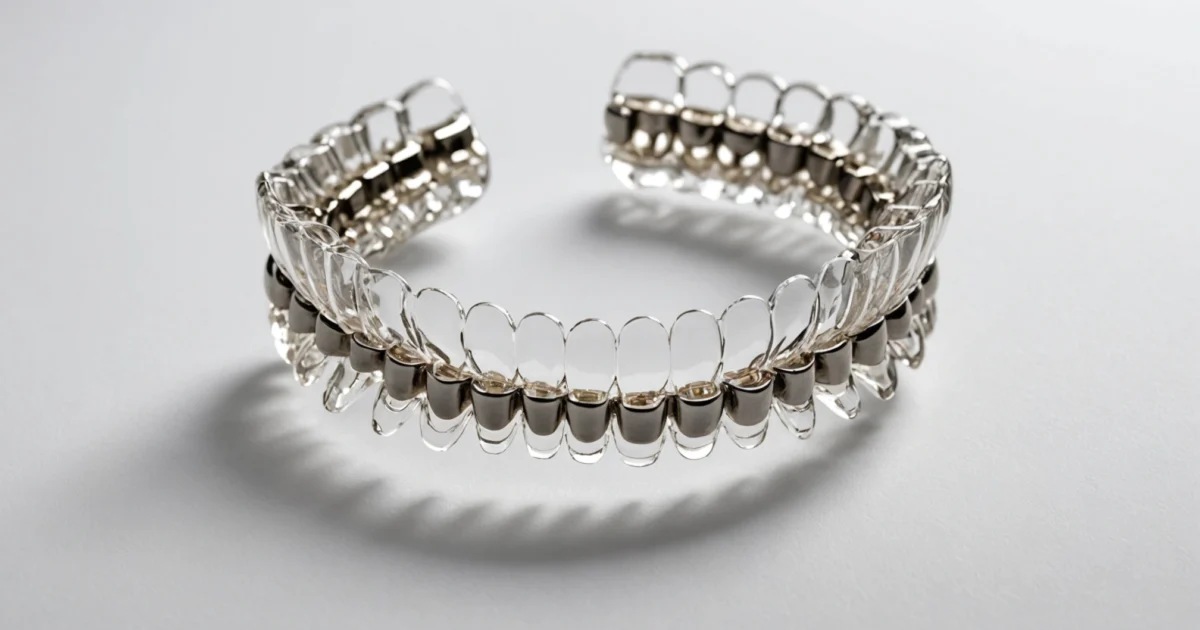
A Hawley retainer is a removable orthodontic appliance made from a combination of acrylic plastic and metal wire that maintains teeth alignment after braces or other orthodontic treatment. This traditional retainer design features a molded acrylic base plate that sits against the roof of your mouth, connected to a visible metal wire that wraps around your front teeth to keep them in their corrected positions.
Unlike clear retainers, Hawley retainers offer superior durability and adjustability for long-term orthodontic maintenance. The metal wire framework allows orthodontists to make minor adjustments if teeth begin to shift, while the sturdy acrylic construction typically lasts several years with proper care.
Understanding the differences between Hawley and other retainer types helps patients make informed decisions about their post-treatment orthodontic care. Moreover, proper fitting and maintenance ensure optimal results in preventing orthodontic relapse.
TL;DR
- Hawley retainers combine acrylic plastic and metal wire to maintain teeth alignment after orthodontic treatment
- They offer superior durability and adjustability compared to clear retainer alternatives
- The visible metal wire may affect aesthetics but provides long-term reliability and orthodontist modification capabilities
What Is a Hawley Retainer?
A Hawley retainer represents the most traditional and widely-used removable orthodontic appliance designed to maintain proper teeth alignment following active orthodontic treatment. This classic retainer design consists of two primary structural components that work together to preserve your newly straightened smile.
Key Components and Structure
The acrylic base plate forms the foundation of every Hawley retainer, custom-molded from durable plastic resin to fit precisely against the roof of your mouth or along your lower gum line. This base plate provides stability and houses the retainer’s retention mechanism while distributing pressure evenly across your palate.
Additionally, the metal wire framework creates the active retention system, typically crafted from stainless steel or similar orthodontic-grade materials. The wire loops around your front teeth and connects to the acrylic base through embedded anchor points, creating a secure yet adjustable retention system.
- Labial bow: The curved wire section that contacts your front teeth
- Clasps: Wire extensions that grip your back molars for stability
- Acrylic body: The colored plastic base that rests against your palate
- Adjustment loops: Wire bends that allow orthodontist modifications
Classification as Removable Orthodontic Appliance
Orthodontists classify Hawley retainers as removable orthodontic appliances because patients can insert and remove them independently without professional assistance. This removability distinguishes them from fixed retainers, which remain permanently bonded to teeth surfaces.
Furthermore, the removable nature allows for easier oral hygiene maintenance and provides flexibility in wearing schedules. Patients typically remove their Hawley retainers during meals, teeth cleaning, and specific social situations while maintaining consistent wear during prescribed hours.
Primary Function in Post-Treatment Maintenance
The primary function of a Hawley retainer centers on preventing orthodontic relapse by maintaining teeth in their corrected positions after active treatment concludes. Teeth naturally tend to shift back toward their original positions due to periodontal ligament memory and ongoing oral pressures.
Consequently, the retainer applies gentle, consistent pressure to counteract these shifting forces while allowing controlled minor movements for natural settling. The metal wire component specifically targets front tooth alignment, while the acrylic base stabilizes the overall arch form and prevents unwanted tooth migration.
Professional Insight
Unlike clear retainer alternatives, Hawley retainers offer superior longevity and modification capabilities, though they present more visible aesthetics due to the metal wire component. The visual appearance of retainers varies significantly between different types, with Hawley designs being the most recognizable due to their distinctive wire and acrylic construction.
How Hawley Retainers Work
Understanding how Hawley retainers work requires examining their sophisticated mechanism of applying controlled pressure to maintain tooth positions after orthodontic treatment. The retainer functions through a combination of mechanical forces that stabilize teeth while allowing natural physiological movements necessary for oral health.
Mechanism of Teeth Retention and Stabilization
Hawley retainers work by applying continuous, gentle pressure against teeth surfaces to counteract natural shifting tendencies. The device maintains tooth positions through passive retention, meaning it holds teeth in place without actively moving them like braces do during treatment.
The retention mechanism operates on the principle that periodontal ligaments surrounding tooth roots retain memory of previous positions for months or years after orthodontic correction. Therefore, the retainer must provide consistent opposing force to prevent relapse while allowing controlled micromovements that support healthy tooth function.
Additionally, the stabilization process involves maintaining proper spacing between teeth and preserving arch width achieved during active treatment. The retainer accomplishes this through strategic contact points that distribute retention forces across multiple teeth simultaneously.
Wire Positioning and Pressure Distribution
The labial wire component represents the primary active element in Hawley retainer function, positioned against the front surfaces of anterior teeth to maintain alignment. This wire applies targeted pressure across the six front teeth, preventing rotation, tipping, or spacing changes that commonly occur after treatment.
Wire positioning follows precise measurements that ensure optimal contact with tooth surfaces without causing discomfort or excessive pressure. The wire’s curvature matches the natural arch form established during orthodontic treatment, creating a template that teeth must maintain.
Furthermore, pressure distribution occurs through multiple contact points along the wire length, with each tooth receiving proportional force based on its size and position. The Adams clasps provide additional retention by gripping posterior teeth, creating a stable foundation for the entire appliance.
Role in Preventing Orthodontic Relapse
Orthodontic relapse prevention represents the fundamental purpose of Hawley retainer function, addressing the natural tendency for teeth to return to pre-treatment positions. The retainer interrupts this process by maintaining corrected tooth positions during the critical stabilization period following active orthodontic treatment.
Relapse prevention occurs through consistent wear that allows bone remodeling around tooth roots to solidify in new positions. This biological process typically requires 12-24 months of retention, during which the Hawley retainer provides essential stability for proper healing and adaptation.
Moreover, the retainer prevents specific types of relapse including crowding recurrence, spacing reopening, and rotational movements that commonly affect front teeth. The wire design specifically targets these vulnerable areas where relapse most frequently occurs.
Interaction with Jaw Structure and Bite Alignment
The acrylic base plate interacts directly with palatal tissues and jaw structure to maintain overall arch form and support proper bite alignment. This component rests against the roof of the mouth, creating a stable platform that prevents unwanted arch width changes or tooth migration.
Bite alignment maintenance occurs through the retainer’s influence on occlusal relationships between upper and lower teeth. The appliance ensures that corrected bite patterns remain stable while allowing normal jaw function during speaking and limited chewing activities.
Additionally, the retainer accommodates natural jaw growth in younger patients while maintaining orthodontic corrections. The design allows for minor adjustments to wire positioning as facial development continues, ensuring long-term stability without compromising treatment results.
Proper retainer care significantly impacts its effectiveness in maintaining tooth positions. Regular cleaning protocols ensure optimal function by preventing bacterial buildup that could compromise the appliance’s fit or cause oral health issues during the retention phase.
Hawley Retainer vs Clear Retainer Comparison
Understanding the differences between Hawley retainers and clear retainers helps patients make informed decisions about post-orthodontic care. Each retainer type offers distinct advantages based on individual needs, lifestyle preferences, and specific orthodontic requirements.
Material Construction and Design Differences
Hawley retainers combine acrylic resin base plates with stainless steel wires to create a durable, adjustable appliance. The acrylic component custom-fits against the palatal tissues, while the wire framework securely holds teeth in their corrected positions.
In contrast, clear retainers utilize thermoplastic materials like polyurethane or polyethylene terephthalate glycol (PETG) to form transparent, tooth-hugging shells. These materials create precise impressions that completely encase each tooth for comprehensive retention coverage.
| Feature | Hawley Retainer | Clear Retainer |
|---|---|---|
| Material | — | — |
| Visibility | — | — |
| Lifespan | — | — |
| Adjustability | — | — |
| Cost Range | — | — |
Aesthetic Considerations and Visibility
Clear retainers provide superior aesthetic appeal through their nearly invisible appearance during wear. The transparent material blends seamlessly with natural tooth color, making them virtually undetectable in social and professional settings.
Conversely, Hawley retainers feature visible wire components that create a more noticeable appearance. However, many patients appreciate the ability to customize the acrylic portion with colors or patterns, allowing for personal expression while maintaining orthodontic stability.
Professional environments often favor clear retainers due to their discrete nature. Nevertheless, the wire visibility of Hawley retainers typically becomes less noticeable over time as patients adapt to wearing the appliance regularly.
Durability and Longevity Analysis
Hawley retainers demonstrate exceptional longevity, typically lasting 5 to 10 years with proper care and maintenance. The robust acrylic and stainless steel construction resists wear from normal oral functions and cleaning procedures.
Clear retainers generally require replacement every 1 to 3 years due to material degradation, staining, and gradual loss of retention force. The thermoplastic materials become less elastic over time, reducing their effectiveness in maintaining tooth positions.
Breakage patterns differ significantly between retainer types. Hawley retainers typically experience wire bending or acrylic cracking, both of which orthodontists can repair. Clear retainers usually crack or tear completely, necessitating full replacement rather than repair.
Adjustment Capabilities and Modifications
The wire framework of Hawley retainers enables comprehensive adjustments throughout the retention period. Orthodontists can modify wire tension, reposition clasps, and make minor corrections to tooth alignment without replacing the entire appliance.
This adjustability proves particularly valuable when minor tooth movements occur or when growing patients experience jaw development changes. The retainer adapts to these changes through professional modifications, extending its useful lifespan significantly.
Clear retainers offer no adjustment capabilities once fabricated. Any changes in tooth position or retainer fit require complete replacement with new impressions and appliance fabrication, increasing long-term costs and treatment complexity.
Cost Analysis and Insurance Coverage
Initial costs for Hawley retainers typically range from $150 to $400, while clear retainers cost between $100 to $300. However, the superior longevity of Hawley retainers often results in lower long-term expenses despite higher upfront costs.
Insurance coverage varies significantly between providers and plans. Many dental insurance policies cover initial retainer costs as part of orthodontic treatment, but replacement coverage may be limited or excluded entirely.
The frequent replacement needs of clear retainers can create substantial long-term financial obligations. Patients should consider total ownership costs over multiple years when selecting between retainer types, factoring in replacement frequency and potential repair needs.
Furthermore, emergency replacement situations favor Hawley retainers due to their repairability. Clear retainer damage often requires immediate replacement to prevent tooth movement, while Hawley retainer repairs may provide temporary solutions until proper adjustments can be made.
For comprehensive guidance on retainer costs and financial planning, patients can explore detailed cost analysis information to make informed decisions about their orthodontic retention investment.
Types and Variations of Hawley Retainers
Hawley retainers come in several distinct variations, each designed to address specific orthodontic needs and patient preferences. Understanding these different types helps patients and practitioners select the most appropriate retention solution for individual circumstances.
Traditional Hawley Retainers with Full Coverage
The traditional Hawley retainer features complete acrylic palate coverage that extends across the entire roof of the mouth. This comprehensive design provides maximum stability and retention force for maintaining tooth positions after orthodontic treatment.
Full palate coverage creates optimal anchorage against the oral tissues, preventing unwanted tooth movement through distributed pressure. Additionally, the extensive acrylic base allows for easy identification and retrieval if the retainer becomes dislodged during sleep or daily activities.
Traditional designs incorporate Adams clasps on the first molars and a labial wire that contacts the anterior teeth. This configuration ensures comprehensive retention across all tooth surfaces while maintaining the structural integrity necessary for long-term use.
Modified Hawley Designs with Reduced Coverage
Modified Hawley retainers feature reduced acrylic coverage to improve patient comfort and speech clarity. These variations eliminate unnecessary palatal material while maintaining essential retention characteristics through strategic design modifications.
Common modifications include horseshoe-shaped acrylic bases that avoid the posterior palate, allowing improved tongue movement and reduced speech interference. Furthermore, some designs incorporate cutouts or relief areas that accommodate individual anatomical variations or specific comfort requirements.
The wraparound retainer represents another popular modification, extending the labial wire around the posterior teeth for enhanced retention without requiring extensive palatal coverage. This design proves particularly effective for patients with sensitive palatal tissues or pronounced gag reflexes.
Upper Versus Lower Hawley Specifications
Upper Hawley retainers typically feature more extensive acrylic coverage due to the larger palatal vault and increased retention requirements. The upper design incorporates bilateral molar clasps and a continuous labial wire that maintains anterior tooth alignment effectively.
Conversely, lower Hawley retainers require specialized design considerations due to limited lingual space and tongue interference concerns. Lower retainers often utilize a lingual bar configuration with minimal acrylic coverage to maximize patient comfort while ensuring adequate retention.
| Retainer Type | Coverage Area | Wire Configuration | Primary Benefits |
|---|---|---|---|
| Upper Hawley | Full palatal coverage | Labial wire + bilateral clasps | Maximum retention, easy adjustment |
| Lower Hawley | Minimal lingual coverage | Lingual bar + canine clasps | Improved comfort, reduced speech impact |
Lower retainer designs must accommodate the frenum attachments and provide adequate clearance for normal tongue function. Therefore, these appliances often incorporate ball clasps on the canines rather than traditional Adams clasps to minimize bulk and interference.
Custom Colors and Design Options
Modern Hawley retainers offer extensive customization options that enhance patient compliance and satisfaction. Acrylic components can be fabricated in virtually any color, pattern, or design to reflect individual preferences and personality.
Popular customization choices include team colors, favorite patterns, glitter effects, and even embedded designs or logos. These aesthetic enhancements prove particularly valuable for pediatric and adolescent patients who may be reluctant to wear traditional clear appliances.
Wire components also offer customization opportunities through colored coatings or specialty alloys that provide improved aesthetics without compromising function. Some practitioners incorporate gold-plated wires for patients with metal sensitivities or aesthetic preferences.
Advanced fabrication techniques allow for embedded elements such as sports team logos, initials, or decorative patterns within the acrylic base. These personalization options significantly improve patient acceptance and long-term compliance with retention protocols.
For patients seeking comprehensive information about retainer appearance and variations, detailed visual guides provide valuable insights into different design options and their practical applications.
Advantages of Hawley Retainers
Hawley retainers offer numerous advantages that make them the preferred choice for many orthodontists and patients seeking reliable post-treatment retention. Furthermore, these traditional appliances provide unique benefits that clear alternatives cannot match in several key areas.
Durability and Long-Term Reliability
Hawley retainers demonstrate exceptional durability compared to clear plastic alternatives, often lasting 5-10 years with proper care. Additionally, the robust acrylic base resists cracking and breaking under normal wear conditions. Wire components maintain their shape and tension over extended periods, ensuring consistent retention force.
The combination of high-quality acrylic and stainless steel wire creates a retainer that withstands daily use without significant degradation. Moreover, these materials resist staining and discoloration better than clear thermoplastic options. Patients frequently report using the same Hawley retainer for years without requiring replacement.
Adjustability for Minor Tooth Movements
Unlike fixed clear retainers, Hawley retainers allow for minor adjustments to accommodate small tooth movements or settling that may occur post-treatment. Orthodontists can easily modify wire positioning to address minor relapse or fine-tune tooth alignment. This adjustability extends the retainer’s useful life and maintains optimal fit over time.
Wire adjustments require only simple chairside modifications, eliminating the need for complete retainer replacement in many cases. Consequently, patients benefit from continued retention effectiveness without the expense of fabricating new appliances. The adjustable nature also allows for gradual weaning from full-time to part-time wear schedules.
Easy Cleaning and Maintenance
Hawley retainers facilitate thorough cleaning due to their accessible design and smooth acrylic surfaces. The open palatal area allows for easy brushing and rinsing, preventing bacterial accumulation that commonly affects clear retainers. Proper cleaning techniques ensure optimal hygiene and prevent odor development.
Patients can safely use denture cleaners, retainer cleaning tablets, and ultrasonic cleaners without damaging the appliance materials. Therefore, maintenance becomes straightforward and effective compared to more delicate clear alternatives. Regular cleaning prevents plaque buildup and maintains the retainer’s appearance and function.
Speech Adaptation Benefits
Most patients adapt to speaking with Hawley retainers within 1-2 weeks due to their minimal tongue interference design. The open palatal configuration allows normal tongue movement during speech production. Initially, some patients may experience minor lisping, but this typically resolves quickly with regular wear.
Speech clarity improves faster with Hawley retainers compared to full-coverage clear retainers that can muffle speech patterns. Furthermore, the wire positioning rarely interferes with normal articulation once the initial adaptation period passes. Patients report greater confidence in social and professional situations due to clearer speech quality.
Cost-Effectiveness Over Time
Hawley retainers provide superior long-term value despite potentially higher initial costs compared to clear alternatives. Their extended lifespan reduces replacement frequency, resulting in lower overall retention expenses. Additionally, the ability to make adjustments extends their functional period significantly.
Repair costs for Hawley retainers typically involve simple wire adjustments or acrylic modifications rather than complete replacement. Consequently, patients save money over the typical 10-15 year retention period recommended by most orthodontists. The durability factor makes them particularly cost-effective for growing children who might otherwise require frequent retainer replacements.
Pros
- Exceptional durability lasting 5-10 years
- Adjustable for minor tooth movements
- Easy cleaning and maintenance
- Quick speech adaptation
- Superior long-term cost-effectiveness
- Customizable colors and designs
Cons
- More visible than clear retainers
- Initial speech adjustment period
- Slightly bulkier design
Disadvantages and Limitations
While Hawley retainers offer numerous benefits, they present several disadvantages that patients should consider before choosing this orthodontic appliance. Understanding these limitations helps patients make informed decisions about their post-treatment retention options.
Visible Metal Wire Components
The most significant drawback involves the metal wire visibility across the front teeth during daily activities. Unlike clear alternatives, the wire component remains noticeable when patients smile, speak, or laugh in social situations. Consequently, many teenagers and adults feel self-conscious about their appearance while wearing these retainers.
Professional environments often create additional concerns about aesthetic appeal and perceived professionalism. However, the wire’s visibility decreases significantly when patients speak naturally, as lip movement partially conceals the appliance. Some patients choose to remove their retainers during important presentations or social events, though this practice should follow orthodontist recommendations.
Initial Speech Impediment and Adaptation Period
Patients typically experience temporary speech difficulties during the first 1-2 weeks of Hawley retainer wear. The acrylic plate positioned against the palate initially interferes with normal tongue positioning during speech production. Additionally, the wire components can create minor lisping sounds, particularly when pronouncing ‘s’ and ‘th’ sounds.
Speech adaptation varies significantly among individuals, with some patients adjusting within days while others require several weeks. Furthermore, the learning curve proves more challenging for patients who rely heavily on verbal communication in their professional roles. Practice sessions involving reading aloud can accelerate the adaptation process and restore normal speech patterns.
Bulkier Design Compared to Clear Alternatives
The bulky construction of Hawley retainers creates noticeable thickness differences compared to modern clear retainer options. The acrylic plate adds substantial bulk to the palatal area, which can feel uncomfortable during initial wear periods. Moreover, the wire components extend beyond the natural tooth contours, creating additional bulk around the labial surfaces.
This increased thickness affects eating comfort and oral sensation during daily activities. Patients often report feeling like they have “something stuck” in their mouth during the adjustment period. Nevertheless, most individuals adapt to the bulk within 2-3 weeks as their oral tissues accommodate the appliance dimensions.
Potential for Breakage if Mishandled
Breakage susceptibility represents a significant concern, particularly with the delicate wire components and acrylic junction points. Dropping the retainer on hard surfaces can crack the acrylic plate or bend the metal wires beyond repair. Additionally, improper cleaning techniques using excessive force can damage the appliance structure.
Wire fatigue occurs over time, especially at stress concentration points where metal meets acrylic. Consequently, patients must handle their retainers carefully during insertion, removal, and cleaning procedures. Proper cleaning techniques help prevent damage while maintaining optimal hygiene standards.
Breakage Prevention
Social Stigma Considerations
Many patients experience social anxiety related to the visible appearance of Hawley retainers in professional and personal settings. The metal wire creates associations with traditional “braces” appearance, which some individuals prefer to avoid after completing orthodontic treatment. Furthermore, dating situations can create particular self-consciousness about retainer visibility.
Workplace dynamics sometimes influence patient preferences, especially in client-facing roles where appearance impacts professional relationships. However, the social stigma has decreased significantly as orthodontic awareness has increased among the general population. Many patients find that initial concerns diminish as they become comfortable with their retainer routine.
Pros
- Adjustable for minor tooth movements
- Durable construction lasts years
- Cost-effective long-term solution
Cons
- Visible metal wire components
- Initial speech adaptation required
- Bulkier than clear alternatives
- Breakage potential with mishandling
- Social appearance concerns
Proper Fit and Wearing Guidelines
A properly fitted Hawley retainer should feel snug against your teeth without causing excessive pressure or pain. The acrylic plate must rest comfortably against the roof of your mouth, while the metal wire sits securely against your front teeth. Initially, you may experience slight pressure as your mouth adjusts to the appliance.
How a Properly Fitted Hawley Retainer Should Feel
Correct fit involves several key sensations that indicate optimal positioning and function. The retainer should slide into place smoothly without forcing or excessive pressure. Moreover, your tongue should have adequate space to move naturally while speaking and swallowing.
The clasps should grip your molars firmly but not painfully, creating a secure hold that prevents the retainer from shifting during normal activities. Furthermore, the wire component should contact your front teeth evenly across the entire surface. Any sharp edges or uncomfortable pressure points require immediate professional adjustment.
Fit Warning Signs
Initial Discomfort and Adjustment Expectations
Initial discomfort typically lasts between three to seven days as your mouth adapts to the new appliance. During this adjustment period, you may experience increased saliva production, slight speech changes, and mild soreness. These symptoms represent normal adaptation responses rather than fitting problems.
Speech difficulties commonly occur during the first few days, particularly with words containing “s” and “th” sounds. Practice reading aloud accelerates your adaptation process and improves speech clarity. Additionally, eating soft foods initially helps minimize discomfort while your mouth adjusts to the retainer presence.
Soreness should gradually decrease each day, becoming minimal by the end of the first week. However, persistent pain beyond this timeframe indicates potential fitting issues requiring professional evaluation. Proper cleaning techniques help maintain comfort and prevent irritation during the adjustment period.
Daily Wearing Schedule Recommendations
Most orthodontists recommend full-time wear for the first three to six months after braces removal, typically 20-22 hours daily. This intensive schedule ensures teeth remain stable in their new positions while supporting tissues adapt. Remove the retainer only for eating, drinking hot beverages, and cleaning activities.
- Weeks 1-4: Wear 22 hours daily, removing only for meals and cleaning
- Months 2-6: Continue full-time wear as directed by your orthodontist
- After 6 months: Transition to nighttime-only wear in most cases
- Long-term: Maintain consistent nighttime wear indefinitely
Consistency proves crucial during the initial wearing period, as even short breaks can allow unwanted tooth movement. Therefore, always carry your retainer case when eating away from home. Additionally, establish a routine that incorporates retainer insertion and removal into your daily schedule.
Transition from Full-Time to Nighttime Wear
The transition to nighttime-only wear typically occurs after six months of successful full-time use, though timing varies based on individual cases. Your orthodontist evaluates tooth stability and tissue adaptation before authorizing this schedule change. Gradual reduction helps ensure teeth maintain their corrected positions.
Begin the transition by reducing daytime wear incrementally, starting with one-hour periods without the retainer. Monitor for any tooth movement or tightness when reinserting the appliance. Subsequently, increase the time without the retainer if no adverse effects occur.
Nighttime wear should continue indefinitely to prevent relapse, as teeth naturally tend to shift throughout life.
Signs of Improper Fit Requiring Adjustment
Several warning signs indicate your Hawley retainer requires professional adjustment or replacement. Persistent pain after the initial adjustment period suggests improper fit or damage to the appliance. Additionally, visible gaps between the retainer and your teeth indicate looseness that compromises effectiveness.
Difficulty inserting or removing the retainer signals potential fitting problems that need immediate attention. Sharp edges cutting your tongue, cheeks, or gums require prompt professional intervention. Furthermore, speech problems persisting beyond two weeks may indicate structural issues with the appliance.
- Severe pain lasting more than one week
- Cuts or sores on tongue, cheeks, or gums
- Retainer feels extremely loose or tight
- Difficulty speaking after two weeks
- Visible cracks in the acrylic plate
- Bent or broken wire components
- Persistent bad taste or odor despite cleaning
Regular orthodontic check-ups help identify fitting issues before they become problematic. Never attempt to adjust the retainer yourself, as this can cause permanent damage requiring complete replacement. Instead, contact your orthodontist promptly when experiencing any concerning symptoms or changes in fit.
Care and Maintenance Instructions
Proper care and maintenance significantly extend the lifespan of your Hawley retainer while ensuring optimal oral health. Daily cleaning routines, appropriate storage methods, and regular professional check-ups form the foundation of effective retainer maintenance. Moreover, understanding what damages these appliances helps prevent costly replacements and treatment delays.
Daily Cleaning Routine and Recommended Products
Daily cleaning prevents bacterial buildup and maintains the retainer’s structural integrity. First, rinse the appliance with lukewarm water immediately after removal to eliminate saliva and food particles. Subsequently, brush gently using a soft-bristled toothbrush and mild antibacterial soap or specialized retainer cleaner.
Avoid using regular toothpaste, as abrasive ingredients can scratch the acrylic plate and create bacterial harboring sites. Instead, consider using specialized retainer cleaning solutions that effectively remove plaque without damaging the appliance. Additionally, weekly deep cleaning with retainer cleaning tablets helps eliminate stubborn bacteria and odors.
- Daily rinse with lukewarm water after each removal
- Gentle brushing using soft-bristled toothbrush and mild soap
- Weekly soaking in retainer cleaning tablets
- Thorough rinsing before reinsertion to remove cleaning residue
Storage Guidelines When Not Wearing
Proper storage protects your retainer from damage, contamination, and loss during periods of non-wear. Always store the appliance in its designated protective case when not in your mouth. Furthermore, ensure the case remains clean and dry to prevent bacterial growth that could transfer to the retainer.
Never wrap retainers in napkins or tissues, as this frequently leads to accidental disposal. Similarly, avoid leaving the appliance on countertops, tables, or other exposed surfaces where damage or contamination can occur. Instead, establish a consistent storage routine that becomes second nature.
Storage Warning
Avoiding Damage from Heat and Chemicals
Heat exposure represents the primary threat to Hawley retainer integrity, as high temperatures warp acrylic components and alter wire positioning. Consequently, never rinse retainers with hot water, leave them in direct sunlight, or store them near heat sources. Additionally, avoid dishwashers, microwaves, and boiling water for cleaning purposes.
Chemical damage occurs when harsh substances contact the retainer materials. Therefore, avoid alcohol-based mouthwashes, bleach, and aggressive cleaning products that can degrade acrylic and corrode metal components. Furthermore, certain foods and beverages can stain or damage the appliance when consumed while wearing the retainer.
| Damaging Substances | Safe Alternatives |
|---|---|
| Hot water (above 100°F) | Lukewarm or cool water |
| Alcohol-based mouthwash | Alcohol-free rinses |
| Bleach or harsh chemicals | Mild antibacterial soap |
| Abrasive toothpaste | Specialized retainer cleaners |
Regular Orthodontist Check-ups and Adjustments
Professional monitoring ensures your Hawley retainer continues functioning effectively throughout its lifespan. Most orthodontists recommend check-ups every six months during the first year, then annually thereafter. During these visits, professionals assess fit, examine wear patterns, and make necessary adjustments.
Professional adjustments address minor fitting issues before they become problematic. Additionally, orthodontists can identify early signs of wear that might compromise retention effectiveness. Moreover, regular examinations allow for proactive replacement planning when the appliance approaches its functional lifespan.
Professional maintenance visits prevent minor issues from becoming major problems requiring complete retainer replacement.
Replacement Timeline and Indicators
Most Hawley retainers require replacement every 5-10 years with proper care and maintenance. However, several factors influence replacement timing, including wear frequency, care quality, and individual oral changes. Consequently, monitoring specific indicators helps determine optimal replacement timing.
Visible wear signs include cracked acrylic plates, bent or broken wire components, and persistent looseness despite professional adjustments. Additionally, difficulty maintaining proper oral hygiene around the appliance suggests structural deterioration requiring replacement. Furthermore, persistent discomfort or speech difficulties may indicate the retainer no longer fits appropriately.
- Structural damage – cracks, breaks, or severe wear
- Fitting problems – persistent looseness or tightness
- Hygiene issues – inability to clean effectively
- Comfort concerns – ongoing pain or irritation
- Functional decline – reduced retention effectiveness
Early replacement prevents treatment relapse and maintains the investment made in orthodontic correction. Therefore, discuss replacement timing with your orthodontist rather than waiting for complete appliance failure. Proactive replacement ensures continuous protection of your orthodontic results while minimizing emergency situations.
Getting a Hawley Retainer
Obtaining a Hawley retainer begins with a comprehensive orthodontic consultation where your dentist evaluates your specific retention needs. During this initial assessment, the orthodontist examines your teeth alignment, bite relationship, and oral health status to determine if a Hawley retainer provides the optimal solution for maintaining your orthodontic results. Furthermore, they discuss your lifestyle preferences, aesthetic concerns, and long-term retention goals to ensure the appliance meets your individual requirements.
The evaluation process includes digital scans or traditional impressions of your teeth to create precise measurements for custom fabrication. Additionally, your orthodontist explains the advantages and disadvantages of Hawley retainers compared to clear alternatives, helping you make an informed decision about your retention strategy.
Impression Taking and Custom Fabrication Process
Creating your custom Hawley retainer requires precise dental impressions that capture every detail of your teeth and surrounding oral structures. Modern orthodontic practices typically use digital scanning technology to create accurate 3D models, though some offices still utilize traditional alginate impressions for fabrication purposes. These detailed impressions serve as the foundation for crafting a retainer that fits your mouth perfectly.
The fabrication process involves skilled dental technicians who shape the acrylic base plate and bend the wire components according to your specific measurements. Consequently, each Hawley retainer becomes a unique appliance designed exclusively for your oral anatomy. Quality control measures ensure the finished product meets precise specifications before delivery to your orthodontist’s office.
Timeline from Order to Delivery
Most Hawley retainers require 1-2 weeks for complete fabrication and delivery from the time impressions are taken. However, laboratory workload, custom specifications, and shipping logistics can influence this timeline significantly. Therefore, planning ahead ensures your retainer arrives when needed, particularly if you’re transitioning from active orthodontic treatment.
- Standard fabrication: 7-10 business days
- Rush orders: 3-5 business days (additional fees apply)
- Complex designs: 10-14 business days
- Remake situations: 5-7 business days
Once your retainer arrives, you’ll schedule a fitting appointment where your orthodontist ensures proper fit, comfort, and retention effectiveness. During this visit, they provide detailed care instructions and schedule follow-up appointments to monitor your progress with the new appliance.
Cost Factors and Insurance Considerations
Hawley retainer costs typically range from $150-$600 per appliance, depending on geographic location, orthodontist expertise, and specific design requirements. Several factors influence pricing, including laboratory fees, custom specifications, and whether you need upper, lower, or both retainers for comprehensive retention coverage.
| Cost Factor | Price Range | Notes |
|---|---|---|
| Basic Hawley retainer | $150-$300 | Standard design, single arch |
| Premium materials | $250-$450 | Enhanced durability options |
| Complex modifications | $300-$600 | Special wire configurations |
| Rush fabrication | +$50-$100 | Expedited processing fees |
Many dental insurance plans cover retainer costs as part of orthodontic benefits, though coverage varies significantly between providers. Consequently, verify your specific benefits before treatment to understand out-of-pocket expenses. Some plans require retainers to be obtained within a certain timeframe after active treatment completion to qualify for coverage.
For detailed cost information and insurance guidance, consider reviewing comprehensive retainer pricing options to make informed financial decisions about your retention needs.
Online vs In-Office Options and Recommendations
While online retainer services offer convenience and potentially lower costs, in-office fabrication through your orthodontist provides superior quality control and professional oversight. Online options typically require you to take your own impressions using provided kits, which may result in less accurate fit compared to professional impression techniques.
Pros
- Lower cost than traditional orthodontic offices
- Convenient home impression process
- Direct shipping to your location
- No appointment scheduling required
Cons
- Limited quality control measures
- Potential for impression errors
- No professional fitting verification
- Reduced customer support options
Professional orthodontic offices provide comprehensive services including proper fitting, adjustment capabilities, and ongoing support throughout your retention period. Moreover, they can address complications immediately and ensure your retainer meets clinical standards for effective tooth retention. Therefore, most orthodontists recommend in-office fabrication for optimal results and patient safety.
If cost concerns influence your decision, discuss payment plans or alternative retention options with your orthodontist before considering online alternatives. Many practices offer flexible financing to make professional retainer services more accessible while maintaining quality care standards.
Frequently Asked Questions
What is the disadvantage of Hawley retainers?
The main disadvantages of Hawley retainers include their visible metal wire that affects aesthetics, potential speech difficulties during the initial adjustment period, and the bulkier design compared to clear alternatives. Some patients also find the acrylic base plate uncomfortable against their palate initially, and the retainer requires more careful cleaning due to its complex structure with multiple components.
What is the point of a Hawley retainer?
The primary purpose of a Hawley retainer is to prevent orthodontic relapse by maintaining teeth in their corrected positions after braces or other active treatment. The retainer applies gentle, consistent pressure to counteract natural shifting forces while allowing controlled minor movements for natural settling. This ensures your investment in orthodontic treatment is preserved long-term.
Why did I get a Hawley retainer instead of a clear retainer?
Your orthodontist likely chose a Hawley retainer because of its superior durability and adjustability. Unlike clear retainers, Hawley retainers can be modified if minor tooth movements occur, they last several years with proper care, and they’re less likely to crack or break. They’re particularly beneficial for patients who grind their teeth or need long-term retention with potential adjustments.
How long do you wear a Hawley retainer?
Most patients wear Hawley retainers full-time for 3-6 months after treatment, then transition to nighttime-only wear. However, many orthodontists recommend lifelong nighttime wear to prevent gradual tooth shifting. The exact schedule depends on your individual case, age, and how well your teeth have stabilized in their new positions.
How should a Hawley retainer fit?
A properly fitting Hawley retainer should feel snug but comfortable against your palate with the metal wire resting gently against your front teeth without causing pressure points. The acrylic base should sit flush against the roof of your mouth, and the clasps should grip your back molars securely. You should be able to speak clearly after a brief adjustment period, and the retainer shouldn’t cause pain or excessive pressure.
What's the difference between Hawley retainer vs clear retainer?
Hawley retainers feature visible metal wire and acrylic construction that offers superior durability and adjustability, while clear retainers (Essix) are nearly invisible plastic trays that fit over teeth. Hawley retainers last longer, can be adjusted by orthodontists, and are better for teeth grinders, but clear retainers are more aesthetic and comfortable initially. Clear retainers need replacement more frequently but offer better appearance.
Can you get a Hawley retainer online?
While some companies offer online Hawley retainers, it’s strongly recommended to get them from a licensed orthodontist. Proper fitting requires professional impressions, bite analysis, and custom fabrication. Online retainers may not fit correctly, could cause tooth movement in wrong directions, or fail to prevent relapse effectively. Professional fitting ensures optimal results and allows for necessary adjustments.
What are the different types of Hawley retainers?
The main types include traditional Hawley retainers with standard metal wire design, modified Hawley retainers with additional springs or attachments for specific corrections, and wraparound Hawley retainers that extend further around the teeth. Some variations include colored acrylic bases, different wire configurations for specific cases, and hybrid designs that combine Hawley features with other retention methods.
Can a Hawley retainer straighten teeth?
Hawley retainers can make minor tooth adjustments but are not designed for significant teeth straightening. They’re primarily retention devices that maintain existing alignment. However, orthodontists can adjust the wire to correct small movements or minor relapse. For major teeth straightening, active orthodontic treatment like braces or clear aligners is necessary before using a Hawley retainer for maintenance.
How do you clean a Hawley retainer?
Clean your Hawley retainer daily using lukewarm water and mild soap or specialized retainer cleaner. Gently brush all surfaces with a soft toothbrush, paying attention to the wire and acrylic junction where bacteria accumulate. Avoid hot water which can warp the acrylic, and don’t use toothpaste which can be abrasive. Soak weekly in retainer cleaning tablets for deep cleaning and odor control.
What happens if you don't wear your Hawley retainer?
Not wearing your Hawley retainer consistently leads to orthodontic relapse where teeth gradually shift back toward their original positions. This process can begin within days of stopping retainer wear, with noticeable changes occurring within weeks or months. Once significant shifting occurs, you may need additional orthodontic treatment to re-align teeth, making prevention through consistent retainer wear much more cost-effective.
How much does a Hawley retainer cost?
Hawley retainer costs typically range from $300 to $800 per retainer depending on your location, orthodontist, and specific design requirements. Many orthodontic treatment packages include the first set of retainers, but replacement retainers incur additional costs. While more expensive initially than some clear retainer options, Hawley retainers often provide better long-term value due to their durability and adjustability.
Can you eat with a Hawley retainer?
You should remove your Hawley retainer before eating to prevent damage and maintain proper hygiene. The acrylic and wire components can break or bend when exposed to chewing forces, and food particles can become trapped around the complex structure. Always store your retainer in its protective case during meals and clean your teeth before reinserting to maintain optimal oral health.
You May Also Like

How to Improve Accuracy in Health and Fitness Wearable Apps
What is an Essix Retainer? Complete Guide to Clear Retainers
Lost Your Retainer? Here’s What to Do Right Away