Lost Your Retainer? Here’s What to Do Right Away

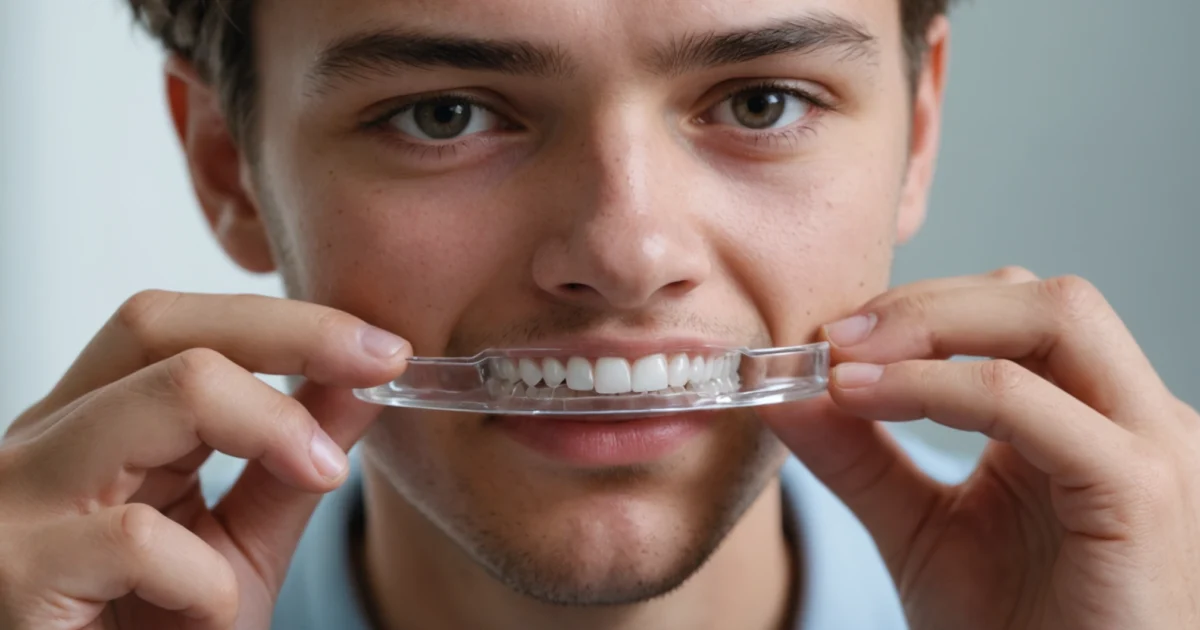
What to do if you lose your retainer starts with immediately contacting your orthodontist to schedule an emergency appointment and prevent teeth from shifting back to their original positions. Losing a retainer is a common orthodontic emergency that requires quick action to protect your investment in straight teeth. The sooner you act, the better your chances of maintaining your orthodontic results without needing additional treatment.
Time is critical when dealing with a lost retainer. Additionally, your teeth can begin shifting within 24-48 hours without proper retention, especially if you recently completed orthodontic treatment. However, the timeline varies based on how long you’ve been wearing retainers and your individual circumstances.
This guide covers immediate steps to take, temporary solutions while waiting for replacement, and cost considerations. Furthermore, you’ll learn about replacement timelines, special situations like losing your retainer while traveling, and prevention strategies to avoid future losses. Understanding your options helps you make informed decisions about retainer replacement costs and maintain your orthodontic results.
TL;DR
- Contact your orthodontist immediately to schedule an emergency appointment and prevent teeth shifting
- Teeth can shift within 24-48 hours without a retainer, especially after recent orthodontic treatment
- Replacement costs range $150-$500 depending on retainer type, with 1-2 week manufacturing time
- Avoid DIY solutions and use previous retainer if available while waiting for replacement
- Prevention is key – always use a retainer case and establish consistent daily routines
Immediate Steps to Take When You Lose Your Retainer
When you discover your retainer is missing, contact your orthodontist or dentist immediately to schedule an emergency appointment. Most orthodontic offices understand that retainer loss constitutes a dental emergency because teeth begin shifting within hours. Therefore, many practices offer same-day or next-day appointments for retainer replacements.
Call during business hours and explain your situation clearly to the receptionist. Additionally, mention how long you’ve been without your retainer and when you completed your orthodontic treatment. Consequently, the office can prioritize your appointment based on your risk level for tooth movement.
What to Tell Your Orthodontist
Provide specific details about your retainer loss to help your orthodontist assess the urgency. Furthermore, explain when you last wore your retainer, what type it was, and whether you have any backup retainers. This information helps determine the fastest replacement option and temporary measures.
- Timeline: When you last wore the retainer and when you noticed it missing
- Retainer type: Whether it was clear plastic, wire, or permanent
- Treatment history: How long since your braces came off
- Previous issues: Any past problems with fit or breakage
- Travel status: Whether you’re away from home or your regular orthodontist
Emergency Appointment Availability
Most orthodontic practices reserve emergency slots for situations like lost retainers. However, availability depends on your office’s schedule and the time of year. During busy periods like back-to-school season, appointments may be harder to secure quickly.
Ask specifically about emergency appointment slots rather than regular scheduling. Moreover, some offices offer after-hours consultations for urgent retainer issues. If your regular orthodontist cannot see you immediately, request a referral to another practice that can accommodate emergency retainer replacements.
Temporary Measures to Prevent Shifting
While waiting for your appointment, your orthodontist may recommend temporary measures to minimize tooth movement. Nevertheless, these solutions work best when implemented within the first 24 hours of retainer loss. The effectiveness decreases significantly after 48 hours without retention.
Important Warning
Some orthodontists recommend using a previous retainer if available, even if it feels tight. Additionally, they may suggest gentle pressure exercises or specific sleeping positions to minimize movement. However, these measures only provide limited protection compared to proper retainer wear.
Replacement Timeline and Expectations
Retainer replacement typically takes 1-2 weeks for custom-made appliances, though some offices offer expedited services. Clear plastic retainers often have faster turnaround times than wire retainers because they require less laboratory work. Meanwhile, permanent retainers can sometimes be replaced the same day if materials are available.
| Retainer Type | Typical Timeline | Expedited Options |
|---|---|---|
| Clear Plastic (Essix) | 3-7 days | 24-48 hours |
| Wire (Hawley) | 1-2 weeks | 3-5 days |
| Permanent (Bonded) | Same day | Same day |
Ask your orthodontist about rush processing fees for expedited replacement. Furthermore, some practices keep common retainer sizes in stock for immediate fitting. This option works best for patients who haven’t experienced significant changes since their original treatment.
Cost and Insurance Considerations
Replacement retainer costs vary significantly based on type and location, typically ranging from $150 to $500. Most dental insurance plans provide limited coverage for retainer replacement, often treating it as a maintenance item rather than a necessary treatment. Therefore, expect to pay most costs out-of-pocket.
Contact your insurance provider before your appointment to understand your coverage limits. Additionally, ask your orthodontist about payment plans or discounts for multiple retainer orders. Some practices offer reduced rates for backup retainers ordered simultaneously with your replacement.
Many orthodontic offices accept payment plans or offer financing options for retainer replacement. Moreover, some practices provide warranty programs that cover replacement costs for a specific period after your initial treatment. Inquire about these options during your emergency appointment to manage unexpected expenses effectively.
How Long You Can Go Without a Retainer
The timeline for tooth movement without a retainer depends heavily on how long you’ve been wearing retainers and your individual circumstances. Patients who recently completed orthodontic treatment face different risks compared to those who have worn retainers consistently for years. Understanding these timeframes helps you make informed decisions when facing retainer loss or damage.
During the first 24-48 hours without your retainer, minimal tooth movement typically occurs. However, your teeth begin responding to natural forces immediately after retainer removal. Most orthodontists agree that this initial period provides a small window of safety, but waiting longer increases your risk of noticeable changes.
Short-Term Timeline: First Week Without Retainer
After one week without your retainer, noticeable shifting may begin in many patients. The speed of this movement varies significantly based on individual factors, but most people can detect subtle changes by running their tongue along their teeth. Additionally, your retainer may feel tighter when you attempt to reinsert it after this period.
Teeth that required the most correction during your original treatment typically move first and fastest. For example, rotated teeth tend to revert toward their original positions more quickly than teeth that only needed minor adjustments. Furthermore, lower front teeth often shift faster than upper teeth due to tongue pressure and natural jaw mechanics.
Long-Term Consequences of Extended Retainer Loss
Extended periods without retainer wear can result in significant orthodontic relapse requiring additional treatment. After several weeks or months, teeth may move enough to prevent your original retainer from fitting properly. Consequently, you might need new impressions and a completely redesigned retainer to accommodate the changes.
Some patients experience substantial relapse within just a few months of discontinued retainer wear. In severe cases, partial re-treatment with braces or aligners becomes necessary to restore proper alignment. Therefore, replacing your lost retainer quickly prevents these costly and time-consuming complications.
Factors That Influence Movement Speed
Age significantly affects how quickly teeth move without retainer support. Younger patients typically experience faster tooth movement due to higher bone metabolism and ongoing jaw development. Conversely, adults may have slightly more time before noticeable changes occur, though movement still happens consistently.
The original severity of your misalignment plays a crucial role in relapse speed. Teeth that required extensive movement during treatment have a stronger tendency to return to their previous positions. Moreover, complex cases involving rotations, extractions, or severe crowding show higher relapse rates than simple spacing corrections.
Genetics influence both tooth movement patterns and bone remodeling rates throughout your life. Some families demonstrate faster orthodontic relapse, while others maintain their corrections more easily. Additionally, factors like tongue size, muscle strength, and natural bite patterns contribute to individual variation in movement speed.
Time-Sensitive Action Required
Understanding these timelines empowers you to take appropriate action when retainer loss occurs. While some movement may be inevitable, quick replacement minimizes long-term consequences and maintains your orthodontic investment. Remember that every day without retainer wear increases the likelihood of changes that could require additional treatment.
Temporary Solutions While Waiting for Replacement
When you lose your retainer, several immediate strategies can help minimize tooth movement until you receive a replacement. However, understanding which temporary measures work safely versus those that could cause harm becomes crucial for protecting your orthodontic investment.
Using Your Previous Retainer
Your old retainer may provide temporary protection if it still fits properly without forcing or pain. Check the fit carefully by placing it gently over your teeth. If the retainer slides on easily and feels comfortable, it can serve as a temporary solution for several days.
Nevertheless, avoid forcing an ill-fitting previous retainer onto your teeth. Forceful insertion can damage your teeth, gums, or the retainer itself. Additionally, if your old retainer feels tight or causes discomfort, your teeth have already shifted beyond its accommodation range.
What to Avoid During This Period
DIY retainer solutions and online “temporary” retainers pose significant risks to your oral health. These products lack proper customization and professional oversight, potentially causing tooth damage, gum irritation, or improper pressure distribution. Furthermore, over-the-counter retainer alternatives cannot replicate the precise fit your orthodontist designed.
Important Safety Warning
Online retainer companies may seem convenient, but they bypass essential professional evaluation. Your orthodontist needs to assess your current tooth positions and bite relationship before creating any retainer. Moreover, these services cannot account for individual anatomical variations or specific treatment history.
Maintaining Oral Health During the Gap
Excellent oral hygiene becomes even more critical when you’re not wearing your retainer regularly. Proper cleaning techniques help maintain gum health and prevent bacterial buildup that could complicate retainer replacement. Brush your teeth thoroughly after every meal and floss daily to remove plaque accumulation.
Gum inflammation can interfere with retainer fit once you receive your replacement. Therefore, focus on gentle brushing along the gum line and consider using an antimicrobial mouthwash. Additionally, staying hydrated helps maintain saliva production, which naturally cleanses your mouth and supports gum health.
Dietary Modifications to Minimize Movement
Avoiding certain foods can help reduce the forces that accelerate tooth movement. Hard foods like nuts, ice, and crunchy snacks create pressure that can worsen shifting. Similarly, sticky foods such as caramel, taffy, and gummy candies can pull on teeth and encourage unwanted movement.
- Choose soft foods like yogurt, soup, and cooked vegetables
- Cut harder fruits and vegetables into small pieces
- Avoid chewing on non-food items like pens or fingernails
- Minimize excessive jaw movement from activities like gum chewing
Temperature extremes can also affect tooth sensitivity during this vulnerable period. Consequently, moderate the temperature of beverages and foods to prevent discomfort that might encourage mouth breathing or unusual tongue positioning.
Managing Discomfort from Tooth Movement
Some discomfort from shifting teeth is normal when you stop wearing your retainer. Over-the-counter pain relievers like ibuprofen or acetaminophen can help manage this discomfort effectively. Follow package directions and consult your pharmacist if you have questions about appropriate dosing.
Cold therapy can also provide relief from orthodontic discomfort. Apply a cold compress to the outside of your cheek for 10-15 minutes at a time. However, if pain becomes severe or persists beyond a few days, contact your orthodontist immediately for professional evaluation.
Remember that these temporary measures only buy you time until professional replacement occurs. The sooner you contact your orthodontist and arrange for a new retainer, the better your chances of maintaining your orthodontic results long-term.
Retainer Replacement Process and Timeline
Getting a replacement retainer requires several steps that typically take 1-2 weeks from start to finish. Your orthodontist must create new impressions or digital scans to ensure your replacement retainer fits properly and maintains your current tooth positions effectively.
The replacement process begins with scheduling an appointment for new impressions. Digital scanners capture precise measurements of your teeth, while traditional impression materials create detailed molds. These records serve as the blueprint for manufacturing your new retainer with accurate specifications.
Manufacturing Timeline by Retainer Type
| Retainer Type | Manufacturing Time | Rush Order Available |
|---|---|---|
| Clear Plastic (Essix) | 3-5 business days | 24-48 hours |
| Wire and Acrylic (Hawley) | 7-10 business days | 3-5 business days |
| Permanent Bonded | Same-day placement | N/A |
Clear plastic retainers typically require the shortest manufacturing time because laboratories can produce them using automated thermoforming processes. However, Hawley retainers take longer due to their custom wire bending and acrylic work requirements.
Rush orders are available for most retainer types at an additional cost ranging from $50-150. Emergency situations, such as losing your retainer before a special event, may justify the extra expense to prevent significant tooth movement.
Different Replacement Options Available
Your orthodontist will recommend the most appropriate replacement type based on your original treatment and current needs. Clear plastic retainers offer excellent aesthetics and are virtually invisible when worn, making them popular for daytime use.
Hawley retainers feature a wire framework with an acrylic base that covers the roof of your mouth. These traditional retainers provide excellent durability and allow for minor adjustments if slight tooth movement has occurred.
For patients requiring permanent retention, bonded retainers consist of a thin wire cemented to the back surfaces of teeth. This option eliminates the risk of losing removable retainers but requires careful oral hygiene maintenance.
Cost Considerations
Fitting Appointment and Final Adjustments
Once your replacement retainer arrives, you’ll need a fitting appointment to ensure proper adjustment and comfort. Your orthodontist will check the fit against your current tooth positions and make necessary modifications for optimal retention.
During the fitting, your orthodontist evaluates pressure points, bite alignment, and overall comfort. Minor adjustments to wire positioning or acrylic trimming may be necessary to achieve the perfect fit that maintains your orthodontic results.
The fitting appointment also provides an opportunity to review proper care instructions and wearing schedules. Additionally, your orthodontist can assess any tooth movement that occurred while you were without a retainer and recommend appropriate intervention strategies.
Most patients can begin wearing their replacement retainer immediately after the fitting appointment. However, some initial discomfort is normal as your teeth readjust to the retainer’s presence and any corrective pressure it applies.
Cost Considerations and Insurance Coverage
Replacement retainer costs vary significantly based on the type of retainer and your orthodontist’s fees. Hawley retainers typically cost $150-$300, while clear plastic retainers range from $100-$250 per arch. Moreover, bonded retainers require professional installation and usually cost $250-$500 for both upper and lower teeth.
Geographic location substantially affects pricing for retainer replacements. Urban orthodontic practices often charge higher fees than rural clinics due to increased overhead costs. Additionally, specialized orthodontists may charge premium rates compared to general dentists who offer retainer services.
| Retainer Type | Average Cost Range | Durability |
|---|---|---|
| Clear Plastic | $100-$250 | 6-12 months |
| Hawley Wire | $150-$300 | 5-10 years |
| Bonded Permanent | $250-$500 | 10+ years |
Insurance coverage for replacement retainers varies considerably among dental plans. Many insurance policies cover one retainer replacement per year, while others provide coverage only for the initial retainer set. Furthermore, some plans classify retainers as cosmetic devices and offer no coverage whatsoever.
Before ordering a replacement, contact your insurance provider to verify coverage details and pre-authorization requirements. Understanding your benefits prevents unexpected out-of-pocket expenses and helps you plan financially for the replacement process.
Most orthodontic offices offer flexible payment options to make retainer replacement more affordable. Payment plans typically allow patients to spread costs over 3-6 months without interest charges. Additionally, some practices offer discounts for cash payments or multiple retainer orders.
Cost-Saving Tip
Several factors influence the final cost of your replacement retainer beyond the base price. Rush orders typically add $50-$100 to standard fees, while complex cases requiring extensive adjustments may incur additional charges. Similarly, if significant tooth movement has occurred, your orthodontist may recommend comprehensive re-evaluation before creating the replacement.
For detailed pricing information specific to your situation, explore our comprehensive retainer cost guide that covers all types and factors affecting pricing. This resource helps you budget effectively and understand what influences retainer replacement expenses.
Consider investing in a backup retainer when ordering your replacement to avoid future emergencies. Ordering two retainers simultaneously often reduces the per-unit cost and ensures you always have a spare available. This proactive approach saves money long-term and prevents treatment interruptions if another loss occurs.
Special Situations: Lost Retainer While Traveling
Losing your retainer while traveling creates unique challenges that require immediate action and strategic planning. Distance from your orthodontist complicates the replacement process, yet quick intervention remains crucial to prevent tooth movement. Furthermore, travel circumstances often limit access to familiar dental professionals and may require emergency consultations with unfamiliar providers.
Immediate Contact Protocol
Contact your orthodontist immediately upon discovering the loss, regardless of your location or time zone differences. Most orthodontic practices maintain emergency contact systems for traveling patients and can provide crucial guidance remotely. Additionally, your orthodontist possesses your dental records and can coordinate with local providers if necessary.
Document your current location and travel itinerary when calling your orthodontist’s office. This information helps the staff determine whether you should seek local care or wait until your return. Moreover, they can assess the urgency based on your treatment history and current orthodontic status.
Finding Local Orthodontic Care
Locate emergency orthodontic or general dental services in your current area if your orthodontist recommends immediate intervention. Many cities offer emergency dental clinics that can provide temporary solutions or basic retainer services. However, verify the provider’s credentials and experience with retainer cases before scheduling an appointment.
Request your orthodontist to send your dental records and recent impressions to the local provider if possible. Digital records transfer quickly and enable the emergency provider to create more accurate temporary solutions. Consequently, this coordination improves the quality of emergency care you receive while traveling.
Important Travel Tip
Limited Temporary Options
Temporary retainer solutions while traveling offer limited effectiveness compared to your custom-fitted appliance. Over-the-counter dental guards may provide minimal tooth retention but cannot match the precision of your original retainer. Nevertheless, these temporary measures can slow tooth movement until you return home.
Some dental offices offer same-day retainer services using digital scanning technology and 3D printing capabilities. These modern solutions can produce functional retainers within hours rather than days. However, availability varies significantly by location, and costs may exceed standard replacement fees due to emergency service charges.
Travel Modification Decisions
Consider shortening your trip if you’ve invested significantly in orthodontic treatment and cannot obtain adequate temporary solutions. Extensive orthodontic work represents substantial financial investment that tooth movement can compromise permanently. Therefore, protecting this investment may justify travel plan modifications in certain circumstances.
Evaluate the duration of your remaining travel time against the risk of tooth movement when making this decision. Trips extending beyond one week without retainer wear pose increased risks for noticeable tooth shifting. Conversely, short remaining travel periods may not justify expensive plan changes.
Insurance and Financial Considerations
Check whether your travel insurance covers orthodontic emergencies or dental appliance replacement while away from home. Most standard travel policies exclude routine dental care but may cover emergency situations. Additionally, some comprehensive health insurance plans provide limited coverage for orthodontic emergencies regardless of location.
Document all expenses related to the retainer loss for potential insurance claims or tax deductions. Keep receipts for emergency dental consultations, temporary appliances, and any travel modifications made due to the orthodontic emergency. Furthermore, photograph the circumstances of the loss if relevant for insurance documentation purposes.
Contact your credit card company to inquire about travel protection benefits that might apply to orthodontic emergencies. Some premium credit cards offer coverage for unexpected travel expenses, including medical and dental emergencies. However, review policy terms carefully as coverage limitations and exclusions vary significantly between providers.
When You Can't Afford Immediate Replacement
Financial constraints shouldn’t prevent you from addressing a lost retainer situation. Payment plans represent the most accessible solution for patients facing immediate cost barriers. Most orthodontic practices offer flexible financing options that spread retainer replacement costs over several months.
Schedule a consultation with your orthodontist to discuss reduced-cost alternatives before assuming replacement is unaffordable. Many practices provide different retainer types at varying price points. Hawley retainers typically cost less than clear plastic aligners, while still providing effective tooth retention.
Alternative Provider Options
Dental schools offer significantly lower-cost retainer services through their orthodontic training programs. Students perform the work under close faculty supervision, ensuring quality care at reduced rates. However, appointments may take longer due to the educational nature of these visits.
Community health centers with orthodontic services provide another cost-effective option for retainer replacement. These federally qualified health centers often offer sliding fee scales based on income levels. Additionally, some centers accept patients regardless of insurance status or ability to pay.
Cost-Saving Strategy
Long-term Financial Impact
Prioritizing retainer replacement prevents costly re-treatment expenses that far exceed initial replacement costs. Orthodontic retreatment can cost thousands of dollars compared to hundreds for retainer replacement. Furthermore, teeth that shift significantly may require more complex interventions than the original treatment.
Consider the total cost of retainer replacement against potential future expenses when making financial decisions. Delaying replacement often leads to more expensive solutions later. Moreover, insurance companies may not cover retreatment costs if the original treatment was successful.
Retainer replacement costs $200-$600, while full orthodontic retreatment ranges from $3,000-$8,000
Explore health savings accounts or flexible spending accounts if available through your employer. These pre-tax dollars can cover orthodontic appliance costs, effectively reducing your out-of-pocket expenses. Additionally, some employers offer supplemental dental insurance that covers orthodontic emergencies.
Preventing Future Retainer Loss
Establishing proactive prevention strategies significantly reduces the likelihood of losing your retainer again. Most retainer loss occurs during routine activities like eating, traveling, or sleeping when patients forget to follow proper storage protocols. Therefore, developing consistent habits creates the foundation for long-term retainer protection.
Essential Storage Practices
Always use your retainer case immediately when removing your appliance for any reason. Furthermore, this simple action prevents the most common loss scenarios that occur in restaurants, schools, and public spaces. Additionally, retainer cases protect your appliance from damage while keeping it visible and secure.
Keep multiple retainer cases in strategic locations throughout your daily environment. Specifically, place backup cases in your car glove compartment, office desk drawer, and travel bag. Moreover, having cases readily available eliminates the temptation to wrap retainers in napkins or place them in pockets.
Pro Tip
Daily Routine Development
Establish a consistent daily routine for retainer care that becomes second nature over time. Consequently, routine habits reduce the mental load of remembering retainer protocols during busy or stressful periods. Proper retainer cleaning should integrate seamlessly into your morning and evening oral hygiene routine.
- Remove retainer before meals and place in case immediately
- Clean retainer after eating before reinsertion
- Store retainer in designated bedside location overnight
- Check retainer case before leaving any location
- Set phone reminders for retainer insertion after meals
Additionally, involve family members or roommates in your retainer routine by educating them about proper handling procedures. Family awareness creates a support system that helps locate misplaced retainers quickly. Moreover, household members can remind you about retainer protocols when you forget.
Technology Solutions
Consider retainer tracking devices that attach to your retainer case for real-time location monitoring. These small Bluetooth trackers connect to smartphone apps that help locate missing cases within a specific range. Furthermore, some devices offer community finding networks that expand search capabilities beyond personal range.
Smartphone apps designed for orthodontic compliance provide helpful reminders and tracking features for retainer wear. These applications send notifications for insertion times, cleaning schedules, and case checks. Consequently, digital reminders supplement your natural memory and prevent routine disruptions.
| Prevention Strategy | Effectiveness | Cost |
|---|---|---|
| Multiple retainer cases | High | $15-30 |
| Bluetooth trackers | Medium | $25-50 |
| Routine establishment | Very High | Free |
| Family education | High | Free |
Travel Preparation
Pack extra retainer cases when traveling to prevent vacation-related losses that commonly occur in hotels and restaurants. Travel disrupts normal routines, making retainer loss more likely during trips. Therefore, preparation becomes essential for maintaining your appliance during travel periods.
Create a travel checklist that includes retainer-specific items and protocols for different accommodation types. This systematic approach ensures you remember retainer care essentials regardless of destination or travel duration. Moreover, checklists reduce stress and help maintain oral health routines while away from home.
Frequently Asked Questions
How long can I go without a retainer?
You should never go more than 24-48 hours without your retainer, especially if you recently completed orthodontic treatment. Teeth can begin shifting within the first day, and the movement becomes more significant after 48 hours. If you’ve been wearing retainers for several years, you may have slightly more time, but it’s still crucial to get a replacement as quickly as possible.
What can I do if I lost my retainer?
If you lose your retainer, contact your orthodontist immediately to schedule an emergency appointment. Avoid DIY solutions or temporary fixes that could damage your teeth. If you have a previous retainer that still fits, wear it temporarily while waiting for your replacement. Most orthodontic offices understand this is an emergency and can often accommodate same-day or next-day appointments.
How much does it cost to replace a lost retainer?
Retainer replacement costs typically range from $150 to $500 depending on the type of retainer and your location. Clear plastic retainers (Essix) are usually less expensive than wire retainers (Hawley). Some orthodontists offer payment plans or discounted rates for replacement retainers, especially if you’re still within your treatment warranty period.
What should I do if I lose my retainer on vacation?
If you lose your retainer while traveling, contact your orthodontist immediately even if you’re out of town. Many practices can refer you to a local orthodontist or provide emergency guidance. Some offices can expedite shipping of a replacement retainer to your location. If you’re traveling internationally, seek out a local orthodontist for temporary solutions until you return home.
Can you get a replacement retainer for free?
Free retainer replacements are rare but possible in certain circumstances. Some orthodontists include one free replacement in their treatment package, especially within the first year. If your retainer was defective or broke due to normal wear, you might qualify for a warranty replacement. However, lost retainers typically require payment for replacement.
What can I use instead of my retainer temporarily?
Never use DIY alternatives like rubber bands, paper clips, or other household items as retainer substitutes. These can seriously damage your teeth and gums. If you have an old retainer that still fits reasonably well, you can wear it temporarily. Otherwise, wait for your orthodontist to provide a proper replacement rather than risking injury with makeshift solutions.
How long does it take to get a replacement retainer?
Replacement retainers typically take 1-2 weeks to manufacture after your orthodontist takes new impressions or digital scans. Some offices offer same-day retainer services for certain types, though this is less common. The timeline depends on your retainer type, the lab your orthodontist uses, and current demand. Emergency situations may qualify for expedited processing.
Will my teeth shift back completely if I lose my retainer?
Teeth won’t shift back completely overnight, but movement begins within 24-48 hours. The amount of shifting depends on how long you’ve been wearing retainers, your age, and individual factors. Recent orthodontic patients face higher risk of significant movement. The longer you wait to replace your retainer, the more likely you’ll need additional orthodontic treatment to correct any shifting.
What should I do if I can't afford a replacement retainer?
If cost is a concern, discuss payment options with your orthodontist immediately. Many practices offer payment plans, sliding scale fees, or discounted rates for financial hardship cases. Some dental schools provide lower-cost retainer services. Don’t delay treatment due to cost concerns, as waiting longer may require more expensive orthodontic retreatment if your teeth shift significantly.
Should I wear my retainer if I have gingivitis or gum problems?
You should consult your orthodontist and dentist about wearing retainers with gum disease. While maintaining tooth position is important, gum health takes priority. Your dental team may recommend modified wearing schedules, special cleaning protocols, or temporary alternatives while treating your gum condition. Never stop wearing your retainer without professional guidance, as teeth can shift quickly.
How can I prevent losing my retainer in the future?
Prevention strategies include always using a retainer case when not wearing your retainer, establishing consistent daily routines, and keeping backup retainers if possible. Never wrap retainers in napkins or tissues, as they’re easily thrown away. Consider getting a brightly colored case that’s hard to misplace, and always check hotel rooms thoroughly before checkout when traveling.
Is it normal to lose retainers frequently?
While retainer loss happens occasionally, frequent losses aren’t normal and suggest you need better storage habits. If you’re losing retainers regularly, discuss this pattern with your orthodontist. They may recommend different retainer types, additional cases, or strategies to help you maintain better care. Some patients benefit from permanent retainers to avoid the risk of loss altogether.
What's the difference between emergency and routine retainer replacement?
Emergency replacement occurs when you’ve lost or broken your only retainer and need immediate intervention to prevent tooth movement. Routine replacement happens when retainers wear out over time or no longer fit properly. Emergency cases often receive priority scheduling and may qualify for expedited lab processing, though they typically cost the same as routine replacements.
You May Also Like

How to Improve Accuracy in Health and Fitness Wearable Apps
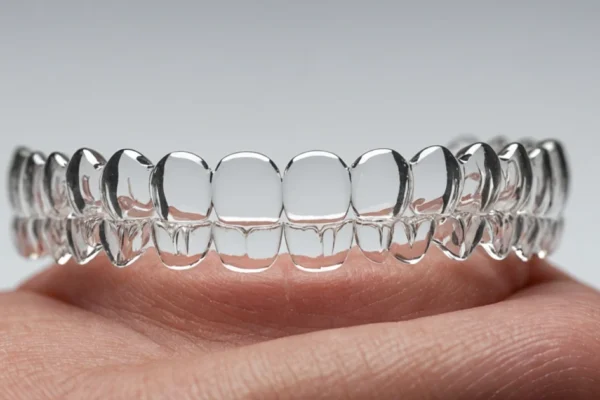
What is an Essix Retainer? Complete Guide to Clear Retainers
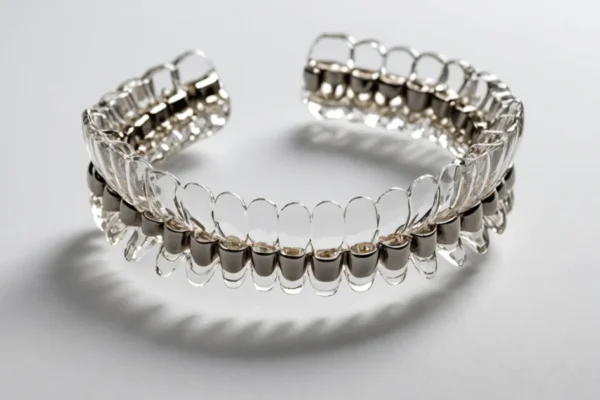
What Is a Hawley Retainer? Complete Guide & Comparison