Can I Wear My Cracked Retainer? Safety & Repair Guide

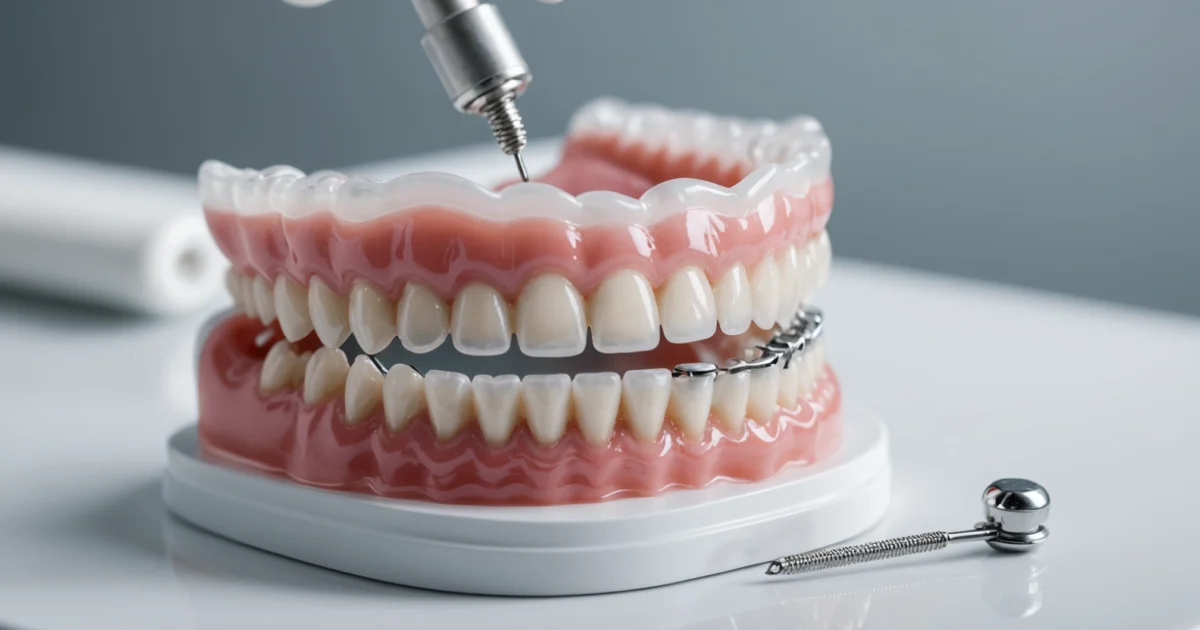
Can I still wear my cracked retainer? The answer depends on the severity and location of the crack, but generally, you should stop wearing a cracked retainer immediately to avoid injury and ineffective treatment. Minor hairline cracks may seem harmless, but even small damage can compromise your retainer’s ability to maintain proper teeth alignment.
A cracked retainer poses several risks beyond reduced effectiveness. Sharp edges can cut your gums or tongue, while loose pieces may break off and become choking hazards. Additionally, bacteria can accumulate in crack crevices, leading to oral health issues.
The type of crack matters significantly for safety assessment. Surface cracks differ from structural damage, and cracks from teeth grinding often indicate deeper problems than normal wear. Furthermore, crack location affects both safety and function—damage at the back, front, or along the wire each presents unique concerns.
Professional evaluation remains essential for determining whether repair or replacement is necessary. While waiting for your orthodontist appointment, proper storage prevents further damage. Understanding proper retainer care can help prevent future cracks and extend your appliance’s lifespan.
TL;DR
- Stop wearing immediately if you notice any crack to prevent injury and ineffective treatment
- Assess crack severity: hairline cracks vs structural damage require different responses
- Contact your orthodontist promptly for professional repair vs replacement evaluation
- Store properly while awaiting professional help to prevent further damage
Can You Safely Wear a Cracked Retainer?
The safety of wearing a cracked retainer depends entirely on the crack’s severity and location. However, most orthodontists recommend discontinuing use immediately to prevent oral injury and compromised treatment outcomes. Even minor damage can escalate quickly, transforming a small crack into a major safety hazard.
Immediate Safety Assessment: Minor vs Major Cracks
Hairline cracks appear as thin, surface-level lines that don’t penetrate completely through the retainer material. These minor fractures may not immediately compromise the appliance’s structural integrity, but they create weak points that expand over time. Conversely, major cracks extend through the entire thickness of the retainer, often accompanied by visible separation or movement between sections.
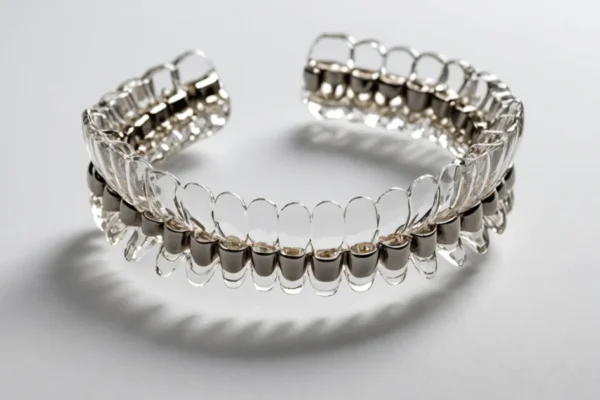
Additionally, crack location significantly impacts safety assessment. Front cracks near the teeth affect retention effectiveness, while back cracks may create sharp edges that irritate soft tissues. Wire cracks in clear aligners pose particular risks since metal fragments can break loose and cause injury.
Visual Inspection Guide
Risk Factors: Sharp Edges, Loose Pieces, and Compromised Fit
Sharp edges represent the most immediate danger when wearing a cracked retainer. These jagged surfaces can lacerate gums, cut the tongue, or damage the inside of your cheeks. Furthermore, repeated contact with sharp edges may cause chronic irritation leading to sores or infections.
Loose pieces create choking hazards and swallowing risks. Small fragments can detach during eating, speaking, or sleeping, potentially causing respiratory obstruction or digestive complications. Moreover, loose sections compromise the retainer’s ability to maintain proper tooth positioning.
A compromised fit occurs when cracks alter the retainer’s shape or flexibility. This poor fit allows teeth to shift gradually, undermining months or years of orthodontic treatment. Subsequently, gaps develop between the retainer and teeth, reducing retention effectiveness and potentially requiring additional orthodontic intervention.
- Grinding damage: Teeth grinding creates stress fractures that weaken the entire appliance
- Temperature damage: Heat exposure causes material expansion and contraction, leading to crack formation
- Age-related deterioration: Older retainers become brittle and more susceptible to cracking
- Impact damage: Dropping or mishandling creates immediate structural damage
When a Cracked Retainer Becomes Unsafe to Wear
Discontinue wearing your retainer immediately when you notice visible separation between cracked sections. This separation indicates structural failure that cannot maintain proper tooth retention. Similarly, any crack that extends completely through the retainer material compromises its integrity beyond safe use.
Pain or discomfort while wearing a cracked retainer signals potential injury risk. Sharp edges cutting soft tissues, pressure points causing soreness, or difficulty inserting the appliance all indicate unsafe conditions. Therefore, removing the retainer prevents further oral damage and allows proper healing.
Furthermore, loose fragments that move independently require immediate removal. These pieces can detach unexpectedly, creating choking hazards or causing cuts inside your mouth. Professional evaluation becomes essential when any portion of the retainer feels unstable or moves separately from the main body.
Temporary vs Permanent Damage Considerations
Temporary damage includes minor surface scratches, small hairline cracks, or slight warping that doesn’t affect overall function. These issues may allow continued short-term use while scheduling professional repair. However, even temporary damage requires prompt orthodontic evaluation to prevent progression.
Permanent damage encompasses cracks extending through the retainer thickness, missing pieces, or structural deformation that cannot be repaired. This type of damage necessitates complete replacement rather than repair attempts. Consequently, continuing to wear permanently damaged retainers risks oral injury and treatment failure.
The distinction between temporary and permanent damage affects both safety and cost considerations. While minor repairs may cost $50-150, complete replacement typically ranges from $200-800 depending on retainer type. Therefore, early intervention for minor damage often prevents more expensive replacement needs.
Professional assessment remains crucial for determining damage severity and appropriate treatment. Orthodontists use specialized tools and expertise to evaluate crack depth, material integrity, and repair feasibility. Meanwhile, attempting home repairs with adhesives or heat can worsen damage and create additional safety hazards.
Types of Retainer Cracks and Their Implications
Understanding different crack types helps determine whether wearing a cracked retainer poses immediate risks or allows temporary continued use. Crack classification depends on depth, location, and underlying cause, with each type presenting distinct safety and functionality concerns.
Hairline Cracks: Minimal Impact on Function
Hairline cracks represent the most superficial type of retainer damage, typically affecting only the outer surface layer. These microscopic fractures rarely compromise structural integrity or immediate functionality. However, hairline cracks serve as stress concentration points that can propagate into larger fractures over time.
Most patients can temporarily continue wearing retainers with hairline fractures while scheduling professional evaluation. Nevertheless, these minor cracks require monitoring for expansion or deepening. Additionally, hairline damage often indicates underlying stress factors that need addressing to prevent future failures.
Surface Cracks vs Structural Damage
Surface cracks affect only the outer material layer without penetrating through the retainer thickness. These superficial fractures typically allow continued short-term use with minimal safety risks. Furthermore, surface damage often responds well to professional repair techniques when addressed promptly.
Conversely, structural damage extends completely through the retainer material, compromising mechanical integrity and retention capability. This type of crack creates sharp edges that can injure oral tissues and allows bacterial accumulation in fracture lines. Consequently, structural cracks require immediate discontinuation of use and professional replacement.
| Crack Type | Depth | Safety Risk | Continued Use |
|---|---|---|---|
| Surface | Outer layer only | Low | Temporary with monitoring |
| Partial | 50-75% thickness | Moderate | Short-term only |
| Through | Complete penetration | High | Discontinue immediately |
Cracks from Teeth Grinding vs Normal Wear
Grinding-related cracks typically appear as multiple fracture lines radiating from stress concentration points. These damage patterns result from excessive bite forces during bruxism episodes, often creating jagged, irregular crack edges. Moreover, grinding damage frequently affects multiple retainer areas simultaneously.
Normal wear cracks develop gradually from routine use and aging, appearing as single, clean fracture lines along natural stress points. These cracks progress slowly and predictably, allowing more time for professional intervention. Additionally, wear-related damage typically affects specific high-stress areas rather than multiple locations.
Identifying crack causes helps prevent future damage through targeted interventions. Grinding-related fractures may require proper retainer maintenance combined with bite guard therapy or stress management techniques. Meanwhile, normal wear patterns indicate the need for routine replacement according to manufacturer recommendations.
Location of Crack: Back, Front, or Along the Wire
Front cracks pose the highest aesthetic and functional risks, affecting both appearance and speech clarity. These fractures often create sharp edges near the tongue and lips, increasing injury potential during normal oral function. Furthermore, front damage compromises the retainer’s ability to maintain anterior tooth alignment effectively.
Back cracks typically present lower immediate safety risks but can affect posterior tooth retention. These fractures may allow gradual tooth movement in molar and premolar regions, potentially compromising overall treatment stability. However, back cracks often remain less noticeable during daily activities.
Wire-adjacent cracks in clear retainers or actual wire fractures in traditional retainers represent critical structural failures. These damage types eliminate the retainer’s primary retention mechanism, rendering continued use ineffective for maintaining tooth position. Consequently, wire-related damage requires immediate professional attention and replacement.
Critical Safety Note
Risks of Wearing a Damaged Retainer
Continuing to wear a cracked retainer creates multiple health and treatment risks that can compromise your orthodontic investment. While minor hairline cracks might seem harmless, even small fractures can escalate into serious problems affecting both oral safety and teeth alignment maintenance.
Reduced Effectiveness in Maintaining Teeth Alignment
Cracked retainers lose their structural integrity, reducing their ability to maintain proper tooth positioning effectively. The fracture disrupts the appliance’s even pressure distribution across teeth, allowing gradual movement in areas where retention force becomes compromised. Consequently, teeth may shift back toward their original positions, undoing years of orthodontic treatment progress.
Even when a cracked retainer still fits comfortably, its retention capacity diminishes significantly. The damaged areas cannot apply consistent pressure needed to prevent tooth movement, particularly during sleep when natural settling occurs. Therefore, wearing a compromised retainer provides false security while teeth gradually lose their corrected alignment.
Potential for Further Damage to the Appliance
Initial cracks propagate under normal chewing and speaking forces, transforming minor damage into complete structural failure. The stress concentration around existing fractures accelerates material breakdown, particularly in clear plastic retainers subjected to thermal cycling from hot and cold foods. Moreover, continued use places additional strain on undamaged sections, creating new weak points throughout the appliance.
Wire retainers experience similar degradation patterns when cracks develop near attachment points. The compromised material cannot distribute forces properly, leading to wire displacement or complete separation from the acrylic base. Subsequently, what begins as a repairable crack often becomes a total replacement situation due to continued wear.
Risk of Injury from Sharp or Loose Pieces
Sharp edges created by retainer fractures pose immediate injury risks to soft oral tissues. These jagged surfaces can cut the tongue, cheeks, and gums during normal speaking, eating, or swallowing activities. Additionally, loose pieces may detach unexpectedly, creating choking hazards or causing cuts to the throat and digestive tract.
Front cracks present particularly high safety concerns due to their proximity to the tongue and lips. The constant contact between damaged retainer edges and sensitive tissues can cause chronic irritation, ulceration, and potential infection. Furthermore, sharp fragments may embed in soft tissue, requiring professional removal and medical treatment.
Safety Alert
Bacterial Buildup in Crack Crevices
Retainer cracks create ideal environments for bacterial accumulation and biofilm formation that resist normal cleaning methods. The narrow crevices trap food particles, plaque, and oral bacteria, fostering harmful microorganism growth that contributes to bad breath, gum disease, and tooth decay. Even thorough retainer cleaning cannot effectively reach bacteria lodged deep within fracture lines.
These bacterial colonies produce acids and toxins that can damage both the retainer material and surrounding oral tissues. The compromised hygiene increases risks of gingivitis, periodontitis, and cavity formation, particularly around teeth in direct contact with the damaged appliance. Therefore, cracked retainers become sources of ongoing oral health problems rather than protective devices.
Professional dental cleaning cannot eliminate bacteria embedded within retainer fractures, making replacement the only effective solution. The longer patients continue wearing damaged appliances, the greater their exposure to harmful bacterial populations and associated oral health complications.
What to Do When Your Retainer Cracks
Discovering a crack in your retainer requires immediate assessment and proper response to prevent oral injury and maintain orthodontic progress. The severity of the crack determines whether you can temporarily continue wearing the appliance or must stop immediately. Understanding proper emergency protocols protects your teeth, gums, and overall oral health while you arrange professional replacement.
Immediate Steps: Stop Wearing If Unsafe
Sharp edges pose the most serious immediate danger when retainers crack. Run your tongue carefully along all surfaces to detect any rough or pointed areas that could cut soft tissues. Additionally, check if the crack allows pieces to move independently or creates loose fragments that might break off during wear.
Remove the retainer immediately if you discover sharp protrusions, loose pieces, or areas where the crack extends completely through the material. These conditions create high risks of cuts, abrasions, and potential choking hazards from swallowed fragments. Furthermore, damaged retainers often fail to maintain proper tooth positioning, potentially allowing unwanted movement.
Minor hairline cracks without sharp edges may allow continued short-term wear under careful monitoring. However, even small fractures weaken the overall structure and typically worsen with continued use. Therefore, plan for professional evaluation within 24-48 hours regardless of initial crack severity.
Temporary Solutions While Awaiting Professional Help
Smooth any minor rough edges using a clean nail file or fine-grit sandpaper as a temporary measure. Work gently to avoid enlarging the crack or creating additional damage. However, this approach only addresses surface irritation and does not restore structural integrity or proper fit.
Dental wax can cover sharp areas temporarily, but never attempt permanent repairs using household adhesives or super glue. These materials contain toxic chemicals unsuitable for oral use and can cause severe chemical burns or poisoning. Moreover, improper repairs often create additional problems requiring more extensive professional correction.
If you must remove your retainer due to safety concerns, maintain proper cleaning protocols for the remaining intact portions. Clean storage prevents bacterial growth while you arrange replacement, reducing risks of reinfection when you resume retainer wear.
When to Contact Your Orthodontist Urgently
Contact your orthodontist within 24 hours for any visible crack, regardless of size or location. Early intervention prevents crack progression and maintains orthodontic stability during the replacement process. Delaying professional consultation often results in more complex and expensive treatment requirements.
Seek emergency orthodontic care immediately if the crack causes bleeding, persistent pain, or visible tissue damage. These symptoms indicate active injury requiring prompt medical attention. Similarly, contact your provider urgently if pieces break off or the retainer no longer fits properly.
- Severe cracks extending through multiple areas
- Sharp fragments causing cuts or abrasions
- Complete separation of retainer sections
- Loss of proper fit or retention
- Signs of infection around damaged areas
How to Prevent Further Damage During Storage
Store damaged retainers in rigid protective cases to prevent additional stress on existing cracks. Avoid flexible pouches or loose storage that allows the appliance to bend or flex. Additionally, keep the case in a stable location away from heat sources, pets, and heavy objects that might cause impact damage.
Clean cracked retainers gently using soft brushes and lukewarm water to avoid crack propagation. Harsh scrubbing or extreme temperatures can worsen existing damage and create new fracture points. Furthermore, avoid soaking solutions containing alcohol or strong chemicals that may weaken already compromised material.
Document the crack’s location and size with photos for your orthodontist consultation. This visual record helps professionals assess damage severity and plan appropriate replacement strategies. Proper documentation also assists with insurance claims if the damage qualifies for coverage under your orthodontic treatment plan.
Professional Repair vs Replacement Options
Orthodontists evaluate cracked retainers based on crack location, severity, and retainer type to determine repair feasibility. Generally, minor hairline cracks in non-critical areas can undergo professional repair, while major fractures through retention zones require complete replacement. Additionally, the age and material composition of your retainer influences whether repair provides a cost-effective long-term solution.
When Orthodontists Can Repair vs Must Replace
Repairable damage typically includes surface scratches, minor edge chips, and small cracks that don’t affect the retainer’s primary retention function. Orthodontists can often bond these areas using specialized dental adhesives or perform localized adjustments. However, cracks extending through critical retention points where the retainer contacts specific teeth cannot be reliably repaired.
Replacement becomes necessary when structural integrity is compromised beyond repair capacity. Furthermore, retainers with multiple crack sites, complete breaks, or damage affecting proper fit require new fabrication. Orthodontists also recommend replacement for retainers showing signs of material fatigue or repeated stress fractures.
- Repairable conditions: Single hairline cracks, minor chips, surface damage
- Replacement required: Multiple fractures, retention point damage, complete breaks
- Material considerations: Older acrylic retainers repair better than modern thermoplastics
- Age factors: Retainers over 3 years old typically warrant replacement over repair
Cost Comparison: Repair vs New Retainer
Professional retainer repairs typically cost $75-$200, while new retainer fabrication ranges from $300-$800 depending on type and complexity. Consequently, repair offers significant savings when damage is minor and the retainer is relatively new. However, repeated repairs can exceed replacement costs over time.
| Service Type | Cost Range | Timeline | Durability |
|---|---|---|---|
| Minor Repair | $75-$150 | 1-3 days | 6-12 months |
| Major Repair | $150-$200 | 3-7 days | 3-6 months |
| New Hawley Retainer | $300-$500 | 7-14 days | 5-10 years |
| New Clear Retainer | $400-$800 | 10-21 days | 2-5 years |
Geographic location significantly affects pricing, with urban orthodontic practices charging 20-40% more than rural providers. Moreover, specialized retainer types like lingual or spring-loaded designs command premium pricing for both repair and replacement services. Consider long-term value when choosing between repair and replacement options.
Timeline for Professional Solutions
Emergency repairs for actively worn retainers typically complete within 24-48 hours at most orthodontic offices. Standard repairs require 3-7 business days, depending on damage complexity and laboratory schedules. Meanwhile, new retainer fabrication involves impression taking, laboratory work, and fitting appointments spanning 1-3 weeks.
Rush services are available for urgent cases, though they increase costs by 25-50%. Additionally, some practices offer same-day repairs for minor damage using in-office equipment. However, complex repairs requiring specialized materials or techniques must be sent to external laboratories, extending timelines accordingly.
During repair periods, orthodontists may provide temporary retainers or recommend specific wear schedules to maintain tooth position. This interim period is crucial for preventing orthodontic relapse, especially for patients within their first year post-treatment. Communicate your timeline needs clearly when scheduling repair consultations.
Insurance Coverage Considerations
Most dental insurance plans cover retainer replacement once every 2-3 years under orthodontic benefits, though repair coverage varies significantly between providers. Consequently, patients should verify their specific policy terms before proceeding with professional services. Some plans classify repairs as preventive care, offering better coverage than replacement procedures.
Damage caused by accidents or trauma may qualify for coverage under medical insurance rather than dental plans. Furthermore, orthodontic treatment plans sometimes include retainer replacement warranties for the first 1-2 years post-treatment. Check with your original orthodontist about warranty coverage before seeking services elsewhere.
Flexible Spending Accounts (FSAs) and Health Savings Accounts (HSAs) typically cover both repair and replacement costs as qualified medical expenses. Additionally, some orthodontic practices offer payment plans or financing options for patients without adequate insurance coverage. For comprehensive cost information, visit our detailed guide on retainer pricing and insurance considerations.
Insurance Tip
Preventing Retainer Damage
Prevention remains the most effective strategy for maintaining retainer integrity and avoiding costly replacements. Proper handling techniques significantly reduce the risk of cracks, breaks, and other forms of damage that compromise retainer function. Moreover, understanding common damage causes helps patients develop protective habits that extend retainer lifespan considerably.
Proper Handling and Storage Techniques
Always use both hands when removing or inserting retainers to distribute pressure evenly across the appliance. Single-handed removal creates stress concentration points that frequently lead to hairline cracks or complete breaks. Additionally, remove retainers slowly and deliberately rather than yanking them out quickly.
Store retainers in their designated cases immediately after removal to prevent accidental damage. Furthermore, hard-shell cases provide superior protection compared to soft pouches, especially during travel or transport in backpacks. Never wrap retainers in napkins or tissues, as this practice leads to accidental disposal and crushing damage.
Keep storage cases away from heat sources, direct sunlight, and areas where pets might access them. Consequently, bathroom counters near heating vents or car dashboards represent particularly risky storage locations. Choose cool, dry locations that maintain consistent temperatures throughout the day.
Avoiding Common Causes of Cracks
Teeth grinding and clenching represent the leading causes of retainer damage, creating micro-fractures that eventually develop into visible cracks. Patients who grind their teeth should discuss night guard options with their orthodontist to protect both teeth and retainers. Meanwhile, stress management techniques help reduce unconscious clenching behaviors during the day.
- Temperature extremes cause plastic materials to expand and contract, weakening retainer structure
- Chemical exposure from harsh cleaning products degrades retainer materials over time
- Physical trauma from drops, impacts, or improper storage damages retainer integrity
- Age-related brittleness makes older retainers more susceptible to cracking under normal stress
Avoid eating or drinking anything other than water while wearing retainers, as food particles and sugary beverages increase bacterial growth and material degradation. Similarly, never use hot water for cleaning, as elevated temperatures can warp plastic components and create stress points. Proper cleaning techniques maintain retainer integrity while ensuring optimal hygiene.
Signs of Wear to Watch For
Early detection of retainer wear allows for proactive replacement before complete failure occurs. Visual inspection should become part of your daily routine, checking for hairline cracks, discoloration, or rough edges that indicate material degradation. Additionally, pay attention to how the retainer feels during insertion and removal.
Warning Signs of Retainer Damage
Changes in retainer fit often indicate structural compromise before visible damage appears. Therefore, retainers that suddenly feel loose or tight may have developed micro-cracks that affect their shape and retention properties. Document any changes in comfort or effectiveness to discuss with your orthodontist.
Surface roughness or pitting indicates material breakdown that can harbor bacteria and cause oral irritation. Furthermore, persistent odors despite proper cleaning suggest bacterial infiltration through microscopic cracks in the retainer material. These signs warrant immediate professional evaluation.
When to Proactively Replace Aging Retainers
Most retainers require replacement every 2-5 years depending on material type, wear patterns, and individual usage factors. Clear plastic retainers typically need replacement more frequently than wire-and-acrylic designs due to material properties and stress distribution differences. However, patients who grind their teeth may need replacements annually.
| Retainer Type | Average Lifespan | Replacement Indicators |
|---|---|---|
| Clear Plastic | 1-3 years | Cloudiness, cracks, poor fit |
| Hawley (Wire) | 3-5 years | Wire fatigue, acrylic wear |
| Fixed Bonded | 10+ years | Wire breakage, debonding |
Schedule replacement consultations before complete retainer failure to maintain continuous tooth retention. Consequently, proactive replacement prevents orthodontic relapse that occurs when patients go extended periods without functional retainers. Plan replacement timing around insurance benefit years to maximize coverage.
Consider environmental factors that accelerate retainer aging, such as exposure to chlorinated swimming pools, acidic beverages, or extreme temperature fluctuations. Additionally, patients with high stress levels or sleep disorders may experience accelerated wear due to increased grinding and clenching behaviors. Regular orthodontic check-ups help identify optimal replacement timing based on individual wear patterns.
Frequently Asked Questions
Can I wear my retainer if it has a crack?
No, you should stop wearing a cracked retainer immediately regardless of the crack size. Even hairline cracks can create sharp edges that cut your gums or tongue, and they compromise the retainer’s ability to maintain proper tooth alignment. The crack will likely worsen with continued use, creating safety hazards and reducing treatment effectiveness.
How long can a cracked retainer last?
A cracked retainer should not be used at all once damage is detected. The lifespan depends on crack severity, but even minor cracks typically worsen within days or weeks of continued use. Professional evaluation is needed immediately to determine if repair is possible or if replacement is necessary.
Can I go 2 hours without my retainer while waiting for repair?
Yes, short periods without your retainer (2-4 hours) are generally safe while awaiting professional help. However, avoid extended periods without retention as teeth can begin shifting within 24-48 hours. Contact your orthodontist immediately to schedule an emergency appointment for evaluation and replacement.
How much does it cost to fix a cracked retainer?
Retainer repair costs typically range from $50-150, while replacement costs range from $150-500 depending on the type and complexity. Clear plastic retainers usually require full replacement, while wire retainers may be repairable. Many orthodontists offer payment plans or warranties that may cover crack repairs.
My retainer cracked but still fits – is it safe to wear?
No, even if a cracked retainer still fits, it’s not safe to wear. The crack creates weak points that can worsen suddenly, potentially causing injury or allowing pieces to break off. Additionally, the compromised structure cannot provide proper retention force, allowing your teeth to gradually shift out of alignment.
Can I fix a cracked retainer at home?
Never attempt to repair a cracked retainer at home. DIY repairs using glue, tape, or other materials can create toxic substances in your mouth, worsen the damage, and create additional safety hazards. Only professional orthodontic repair ensures safe materials and proper fit.
What should I do with a hairline crack in my retainer?
Stop wearing the retainer immediately, even with just a hairline crack. Store it safely in its case and contact your orthodontist for evaluation. Hairline cracks often indicate stress points that will worsen rapidly, and they can harbor bacteria that cause oral health issues.
Can an orthodontist fix a cracked retainer?
It depends on the crack type and location. Wire retainers can sometimes be repaired by resoldering or replacing damaged sections. However, clear plastic retainers typically require complete replacement since the material cannot be safely repaired. Your orthodontist will assess whether repair is possible during your appointment.
Why did my retainer crack from grinding?
Teeth grinding creates excessive pressure that exceeds the retainer’s design limits, causing stress fractures. Grinding typically occurs during sleep and applies forces much greater than normal chewing. If you grind your teeth, discuss protective options with your orthodontist, such as a night guard or more durable retainer material.
What happens if my retainer cracked at the back?
Back cracks are particularly concerning because they often create sharp edges near your gums and tongue. This location is difficult to see and monitor, increasing injury risk. Back cracks also compromise the retainer’s structural integrity, affecting its ability to maintain proper tooth positioning throughout your entire arch.
Can not wearing retainers cause TMJ?
While not wearing retainers doesn’t directly cause TMJ, tooth shifting from lack of retention can contribute to bite problems that may worsen TMJ symptoms. Proper tooth alignment helps maintain balanced jaw function, so maintaining retainer use as prescribed supports overall oral health and jaw stability.
How can I prevent my retainer from cracking?
Prevent retainer cracks by following proper care guidelines:
- Store properly in a protective case when not wearing
- Avoid heat exposure – never leave in hot cars or wash with hot water
- Handle gently when inserting and removing
- Clean regularly with appropriate solutions to prevent material degradation
- Address teeth grinding with your orthodontist if applicable
How quickly should I see an orthodontist for a cracked retainer?
Contact your orthodontist within 24-48 hours of discovering a crack. Many offices accommodate emergency appointments for retainer damage since delayed treatment can allow teeth to shift. If you experience pain, bleeding, or suspect you’ve swallowed pieces, seek immediate professional attention.
Will my teeth shift if I don't wear my retainer for a few days?
Yes, teeth can begin shifting within 24-48 hours without retainer use, especially in the first year after orthodontic treatment. The amount of movement depends on how long you’ve been wearing retainers and your individual tooth stability. Minimize the time without retention by seeking prompt professional replacement.
You May Also Like

How to Improve Accuracy in Health and Fitness Wearable Apps
What is an Essix Retainer? Complete Guide to Clear Retainers
Lost Your Retainer? Here’s What to Do Right Away