Can I Drink With My Retainer In? Complete Safety Guide

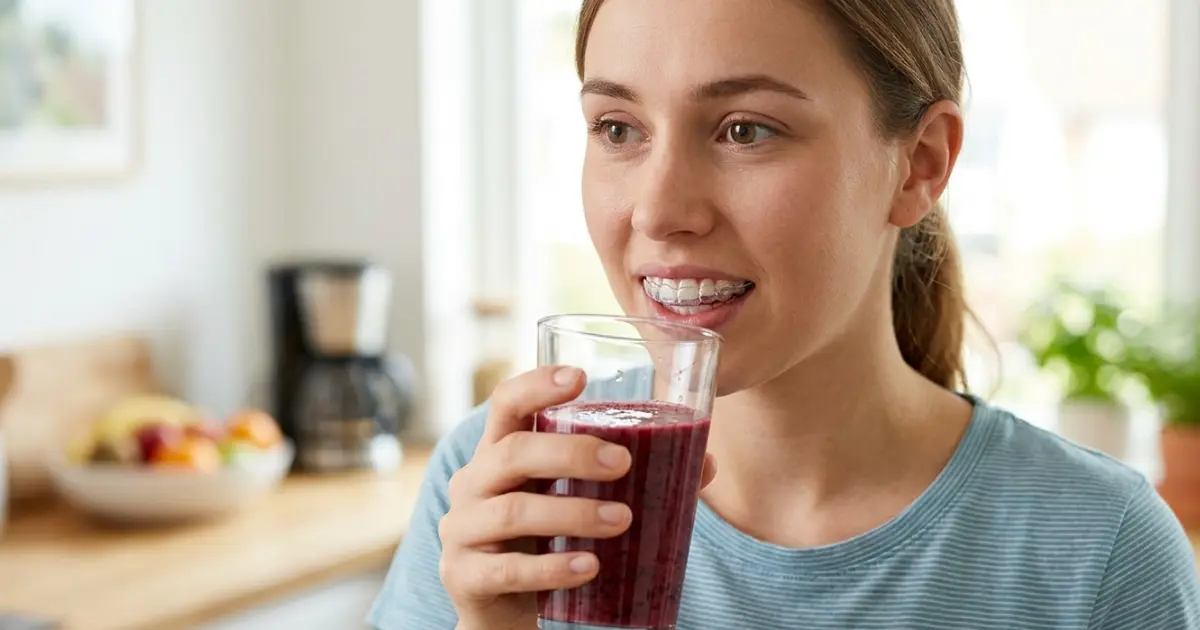
Can I drink with my retainer in? The only completely safe beverage to drink with retainers is plain water at room temperature. All other drinks require retainer removal to prevent damage, staining, and bacterial buildup that can harm both your retainer and oral health.
Most beverages pose significant risks to retainer materials. Sugary drinks like soda and juice promote bacterial growth, while acidic beverages can damage both your retainer and tooth enamel. Additionally, hot drinks can warp thermoplastic retainers, and colored beverages cause permanent staining.
Understanding proper drinking protocols with retainers helps protect your investment and maintains optimal oral health. Furthermore, following manufacturer guidelines prevents costly replacements and ensures your retainer cleaning routine remains effective.
TL;DR
- Water only: Plain water at room temperature is the only safe beverage to drink with retainers in
- Remove for everything else: Soda, juice, coffee, alcohol, and milk require retainer removal to prevent damage
- Multiple risks: Sugar promotes bacteria, acid damages materials, heat warps plastic, and colors cause staining
- Proper protocol: Remove retainers, store safely, clean mouth before reinsertion
Quick Answer: What You Can and Cannot Drink With Retainers
Water stands as the only completely safe beverage to drink with retainers in place. Moreover, the water should be at room temperature to prevent any thermal shock to the retainer materials. Cold water poses minimal risk, but extremely cold beverages can cause temporary contraction of thermoplastic materials.
All other beverages require complete retainer removal before consumption. This includes seemingly harmless drinks like milk, sparkling water, and diet sodas. Even sugar-free beverages contain acids and artificial sweeteners that can damage retainer surfaces over time.
Emergency Exception
Why Most Beverages Pose Risks
Retainer materials face multiple threats from common beverages. Sugary drinks create an ideal environment for bacterial growth, which leads to plaque buildup on both retainers and teeth. Furthermore, bacteria produce acids as they metabolize sugars, creating a double threat to oral health.
Acidic beverages like coffee, wine, and citrus juices directly attack retainer polymers. These acids soften the material surface, making retainers more susceptible to scratches and bacterial adhesion. Additionally, prolonged acid exposure can cause microscopic pitting that becomes impossible to clean effectively.
Temperature extremes present another significant risk factor. Hot beverages can warp thermoplastic retainers permanently, while very cold drinks may cause temporary brittleness. Thermal cycling between hot and cold also accelerates material fatigue over time.
Colored beverages inevitably stain retainer materials through a process called chromogenic staining. Coffee, tea, red wine, and dark sodas contain tannins and chromogens that bind permanently to plastic surfaces. Once staining occurs, proper cleaning techniques cannot reverse the discoloration completely.
Safe Drinking Protocol
- Remove retainers completely before consuming any beverage except plain water
- Store retainers in their protective case during drinking
- Rinse your mouth thoroughly with water after drinking
- Wait at least 30 minutes before reinserting retainers after consuming acidic beverages
- Clean retainers if they accidentally contact other beverages
The 30-minute waiting period allows your mouth’s natural pH to neutralize after acid exposure. Inserting retainers immediately after drinking acidic beverages traps acids against your teeth, potentially causing enamel damage. Therefore, patience protects both your retainers and your dental health.
Emergency Situations and Brief Sips
Emergency situations occasionally require drinking with retainers in place. If you cannot remove your retainers immediately, take the smallest possible sip and rinse vigorously with water afterward. However, this exception should never become a regular habit.
Some patients ask about drinking through straws while wearing retainers. Unfortunately, straws do not eliminate contact between beverages and retainer surfaces. Liquid still flows around the retainer edges and pools in various areas of your mouth.
Professional orthodontists emphasize that consistent adherence to drinking protocols extends retainer lifespan significantly. Consequently, following these guidelines protects your investment and maintains optimal oral hygiene throughout your retention period.
Safe Beverages: Water and Limited Exceptions
Plain water at room temperature remains the only completely safe beverage for drinking with retainers in place. Water contains no acids, sugars, or artificial additives that can damage retainer materials or compromise oral health. Moreover, water helps maintain proper hydration while wearing retainers throughout the day.
Room temperature water provides optimal safety because it avoids thermal stress on retainer materials. Cold water considerations become important since extreme temperature changes can cause plastic retainers to contract or expand slightly. While brief exposure to cold water rarely causes immediate damage, consistent temperature fluctuations may affect retainer fit over time.
Temperature Sensitivity and Material Considerations
Retainer materials respond differently to temperature variations. Thermoplastic retainers show greater sensitivity to hot beverages than cold ones. However, extremely cold water can make plastic materials more brittle temporarily. Therefore, lukewarm or room temperature water provides the safest option for hydration.
Ice water poses minimal risk for brief contact, but prolonged exposure may cause discomfort. Additionally, very cold beverages can trigger tooth sensitivity in some patients wearing retainers. Consequently, moderate temperatures protect both retainer integrity and oral comfort.
Sparkling Water Risks and Carbonation Effects
Sparkling water risks stem from both acidity and carbonation pressure. Most sparkling waters maintain a pH between 3.0 and 4.0, making them significantly more acidic than regular water. This acidity can weaken retainer materials and promote enamel erosion when trapped against teeth.
Carbonation creates additional concerns beyond acidity levels. Pressurized bubbles can force acidic liquid into small spaces between retainers and teeth. Furthermore, the effervescent action may cause retainers to shift slightly, affecting their precise fit.
Sparkling Water Warning
Brief Sips and Emergency Exceptions
Certain situations may require brief sips of other beverages while wearing retainers. Medical emergencies, medication requirements, or social situations occasionally make retainer removal impractical. During these rare instances, minimize liquid contact time and rinse immediately with plain water.
Emergency sip protocols include taking the smallest possible amount and swallowing quickly. Subsequently, rinse vigorously with water to dilute any remaining beverage residue. However, these exceptions should never become regular habits that compromise long-term retainer health.
Some beverages pose lower risks than others for emergency consumption. Plain milk causes less immediate damage than acidic juices, while clear broths may be safer than colored sodas. Nevertheless, removal remains the preferred option whenever possible.
Straw Usage and Contact Minimization
Using straws to minimize contact with retainers provides limited protection at best. While straws direct liquid flow toward the back of the mouth, they cannot prevent all contact with retainer surfaces. Beverages still pool around retainer edges and seep into spaces between the appliance and teeth.
Straw positioning affects contact levels significantly. Placing straws toward the back of the mouth reduces front tooth exposure but increases contact with posterior retainer areas. Additionally, suction forces created during straw drinking can cause retainers to shift or create pressure points.
Many patients mistakenly believe straws eliminate all beverage contact with retainers. Unfortunately, this misconception leads to poor drinking habits that compromise retainer longevity. Proper cleaning protocols become essential when any non-water beverage contacts retainer surfaces.
Professional orthodontists consistently recommend complete retainer removal for all beverages except water. Convenience never outweighs the potential costs of retainer replacement or dental complications from poor drinking habits.
Beverages That Require Retainer Removal
Certain beverages pose significant risks to both retainer materials and oral health when consumed while wearing orthodontic appliances. Understanding which drinks require removal helps patients maintain their retainers effectively while protecting their investment in orthodontic treatment.
Sugary Drinks and Bacterial Growth Risks
Sugary beverages create ideal breeding conditions for harmful bacteria when trapped beneath retainer surfaces. Sodas, fruit juices, and sports drinks contain high concentrations of fermentable sugars that oral bacteria convert into acids. These acids attack tooth enamel while simultaneously degrading retainer materials.
The space between retainers and teeth becomes a bacterial reservoir when sugar-containing liquids accumulate in these areas. Consequently, patients who drink sugary beverages with retainers experience increased cavity formation and gum inflammation. Sports drinks pose particular risks due to their combination of sugars and acids that create double damage potential.
Regular consumption of sugary drinks while wearing retainers can lead to white spot lesions on teeth. Furthermore, the bacterial overgrowth creates persistent bad breath that standard brushing cannot eliminate without proper retainer cleaning protocols.
Acidic Beverages and Material Damage
Acidic drinks cause immediate chemical damage to both tooth enamel and retainer materials. Citrus juices, wine, and carbonated beverages contain acids that soften plastic retainer surfaces and create microscopic pits where bacteria accumulate. Additionally, these acids weaken the protective enamel layer on teeth.
The pH level of common beverages determines their damage potential. Orange juice registers approximately 3.5 pH, while cola beverages measure around 2.5 pH on the acidic scale. These acidic conditions dissolve calcium phosphate crystals in tooth enamel while simultaneously etching retainer surfaces.
Acidic beverages can reduce retainer lifespan by up to 40% when consumed regularly without removal
Hot Beverages and Warping Concerns
Hot beverages pose serious warping risks to thermoplastic retainer materials. Coffee, tea, and hot chocolate can reach temperatures exceeding 140°F, which approaches the softening point of many retainer plastics. Heat exposure causes permanent deformation that compromises retainer fit and effectiveness.
Warped retainers lose their ability to maintain proper tooth positioning. Moreover, distorted appliances create pressure points that cause discomfort and potential tooth movement. Even brief exposure to hot liquids can cause irreversible shape changes in sensitive retainer materials.
Temperature-related damage occurs rapidly and cannot be reversed through cooling or adjustment. Therefore, patients must remove retainers completely before consuming any heated beverages to preserve appliance integrity.
Alcoholic Drinks and Material Degradation
Alcoholic beverages contain ethanol compounds that break down certain plastic polymers used in retainer construction. Beer, wine, and spirits can cause clouding, brittleness, and eventual cracking of retainer materials. The alcohol content acts as a solvent that weakens molecular bonds within the plastic structure.
Mixed drinks present additional challenges due to their combination of alcohol, sugars, and acids. These cocktails create multiple damage pathways that accelerate retainer deterioration while promoting bacterial growth. Social drinking situations often lead to prolonged exposure periods that compound these negative effects.
Milk and Dairy Product Risks
Milk and dairy beverages create bacterial breeding grounds when trapped beneath retainer surfaces. The lactose and proteins in dairy products provide excellent nutrition for harmful oral bacteria. These nutrients allow bacterial colonies to multiply rapidly in the warm, moist environment created by retainer wear.
Dairy residues coat retainer surfaces and resist removal through simple rinsing. Consequently, milk proteins begin decomposing within hours, creating foul odors and bacterial toxins. Flavored milk products compound these problems by adding sugars that further accelerate bacterial growth.
Energy Drinks and Multiple Risk Factors
Energy drinks combine multiple damaging elements that make them particularly harmful for retainer wearers. These beverages typically contain high sugar concentrations, strong acids, and artificial additives that create comprehensive damage to both teeth and appliances.
Energy Drink Risks
The caffeine content in energy drinks also promotes dry mouth conditions that reduce natural saliva protection. Without adequate saliva flow, acids and sugars remain in contact with teeth and retainers for extended periods, maximizing damage potential.
Professional orthodontists consistently recommend complete retainer removal before consuming any of these problematic beverages. The convenience of drinking with retainers never justifies the potential costs of premature replacement or dental complications.
Why Different Drinks Damage Retainers
Understanding how beverages damage retainers requires examining the specific mechanisms that cause deterioration. Different drinks attack retainer materials through distinct pathways, creating cumulative damage that reduces appliance lifespan and effectiveness. Moreover, these same substances simultaneously harm your teeth while trapped beneath the retainer surface.
Sugar Content and Bacterial Growth
Sugar feeds harmful bacteria that multiply rapidly in the warm, moist environment created by retainer wear. When sugary drinks contact your teeth while wearing retainers, the appliance traps these nutrients against enamel surfaces. Bacterial colonies consume these sugars and produce acidic waste products that erode both tooth enamel and retainer materials.
The bacterial proliferation process accelerates dramatically when retainers prevent natural saliva circulation. Consequently, plaque buildup occurs within hours rather than the typical daily accumulation pattern. This rapid bacterial growth creates biofilms that bond tenaciously to retainer surfaces and resist removal through normal cleaning methods.
Acidity Levels and Material Degradation
Acidic beverages attack retainer materials through chemical erosion that weakens structural integrity. Citric acid, phosphoric acid, and carbonic acid commonly found in sodas and fruit juices dissolve the polymer chains in thermoplastic retainers. This chemical breakdown creates microscopic pits and roughened surfaces that harbor bacteria more effectively.
The pH level determines the severity of acid damage to retainer materials. Beverages with pH levels below 5.5 begin immediate enamel demineralization while simultaneously attacking retainer plastics. Furthermore, prolonged acid exposure causes irreversible changes to retainer flexibility and fit precision.
Critical pH Levels
Temperature Effects on Retainer Shape
Hot beverages cause thermoplastic warping that permanently alters retainer fit and effectiveness. Coffee, tea, and hot chocolate reach temperatures between 140-180°F, well above the glass transition temperature of most retainer plastics. When thermoplastic materials exceed this threshold, they become pliable and lose their precise molded shape.
Conversely, extremely cold drinks create thermal shock that makes plastic retainers brittle and prone to cracking. Ice-cold beverages cause rapid contraction of retainer materials, creating internal stress points that weaken the appliance structure. These temperature-induced changes accumulate over time, eventually requiring retainer replacement due to poor fit.
Staining and Discoloration Mechanisms
Colored beverages contain chromogenic compounds that penetrate retainer materials and cause permanent discoloration. Coffee tannins, tea polyphenols, and artificial food dyes bind to plastic polymers through chemical absorption. Once these staining molecules penetrate the retainer surface, standard cleaning methods cannot remove them effectively.
The staining process accelerates when retainers develop surface roughness from acid erosion or bacterial colonization. These microscopic imperfections provide additional binding sites for chromogenic compounds, creating deeper and more persistent discoloration. Additionally, red wine, berry juices, and dark sodas contain particularly aggressive staining agents that cause rapid color changes.
Chemical Interactions with Retainer Materials
Different retainer materials respond uniquely to chemical exposure from various beverages. Clear plastic retainers suffer polymer degradation from alcohol, acids, and artificial sweeteners found in diet drinks. Metal components in Hawley retainers experience corrosion when exposed to acidic beverages, leading to wire weakening and potential breakage.
Alcohol-containing beverages create particularly complex chemical interactions with retainer plastics. Ethanol acts as a solvent that can extract plasticizers from thermoplastic materials, making retainers increasingly rigid and brittle over time. Beer, wine, and cocktails also contain organic acids that compound the chemical damage through multiple attack pathways.
The cumulative effect of these chemical interactions explains why orthodontists recommend removing retainers before consuming any beverages except plain water. Each exposure event contributes to progressive material degradation that ultimately compromises retainer function and necessitates premature replacement.
Proper Protocol for Drinking With Retainers
Following the correct removal and storage protocol ensures your retainer maintains its shape while protecting your teeth from harmful beverage effects. The 30-minute rule serves as the foundation for safe drinking habits with retainers. This protocol requires removing retainers before consuming any beverage except plain water, then waiting at least 30 minutes after finishing before reinsertion.
Step-by-Step Removal Process for Drinking
Proper retainer removal prevents damage to both the appliance and your teeth. Start by washing your hands thoroughly with soap and water to eliminate bacteria transfer. Next, use your fingertips to gently lift the retainer from the back molars, working forward toward the front teeth. Never pull on the front portion first, as this creates excessive stress on the plastic or wire components.
For Hawley retainers, grasp the wire clasps gently and lift upward while supporting the acrylic base. Clear plastic retainers require careful finger placement along the edges to avoid cracking. Avoid using your teeth or tongue to dislodge the retainer, as these methods can cause structural damage or contamination.
Safe Storage Methods While Consuming Beverages
Immediate storage in a protective case prevents loss, contamination, and accidental damage during beverage consumption. Retainer cases provide a sterile environment that shields the appliance from airborne bacteria and physical trauma. Always rinse the case with clean water before placing your retainer inside, especially if you’re eating or drinking in public spaces.
Temperature considerations play a crucial role in storage safety. Never leave retainer cases in hot cars, direct sunlight, or near heating sources, as excessive heat warps plastic materials. Similarly, avoid placing cases in freezing environments that can make plastics brittle and prone to cracking.
- Use only designated retainer cases, never napkins or pockets
- Keep cases away from extreme temperatures
- Rinse cases regularly with antibacterial solution
- Store cases in easily accessible locations to prevent loss
Timing Considerations and the 30-Minute Rule
The 30-minute waiting period allows your mouth’s pH levels to neutralize after consuming acidic or sugary beverages. This critical timeframe prevents trapping harmful substances against your teeth when you reinsert the retainer. During this period, your saliva naturally buffers acid levels and begins clearing away residual sugars and acids.
Beverages like coffee, wine, and citrus juices create particularly acidic oral environments that require the full 30-minute recovery time. Carbonated drinks and sports beverages also necessitate this waiting period due to their high acid content and sugar concentrations. Rushing retainer reinsertion before pH normalization traps these harmful substances against tooth enamel, accelerating decay processes.
Saliva pH returns to neutral levels within 20-40 minutes after consuming acidic beverages
Cleaning Routine Before Reinsertion
Thorough retainer cleaning removes bacteria, food particles, and beverage residues that accumulate during storage. Begin by rinsing the retainer under lukewarm water to remove loose debris. Then, use a soft-bristled toothbrush with mild soap or specialized retainer cleaner to gently scrub all surfaces, paying particular attention to crevices where bacteria collect.
Avoid using hot water, which can warp plastic components, or harsh chemicals like bleach or alcohol-based mouthwashes that degrade materials. Proper cleaning techniques extend retainer lifespan while maintaining optimal oral hygiene. After cleaning, rinse thoroughly with cool water to remove all cleaning product residues.
When to Rinse Mouth vs. Brush Teeth Before Replacing Retainer
The choice between rinsing and brushing depends on the type of beverage consumed and the time elapsed since consumption. Water rinsing suffices after consuming plain water, clear broths, or other non-staining, non-acidic liquids. This gentle approach removes surface residues without disturbing the mouth’s natural pH recovery process.
Full tooth brushing becomes necessary after consuming sugary, acidic, or staining beverages like coffee, wine, or fruit juices. However, wait at least 30 minutes after drinking acidic beverages before brushing, as immediate brushing can damage softened enamel. During this waiting period, rinse with plain water to dilute acids and remove surface sugars.
| Beverage Type | Waiting Time | Cleaning Method |
|---|---|---|
| Water | Immediate | Rinse mouth |
| Coffee/Tea | 30 minutes | Brush teeth |
| Wine/Juice | 30-60 minutes | Brush teeth |
| Soda/Sports drinks | 30 minutes | Brush teeth |
For optimal results, use fluoride toothpaste when brushing after beverage consumption, as fluoride helps remineralize any enamel softening that occurred during acid exposure. This comprehensive approach ensures your teeth remain healthy while maintaining proper retainer function throughout your treatment period.
Different Retainer Types and Drinking Guidelines
Different retainer materials require specific drinking precautions to prevent damage and maintain effectiveness. Understanding your retainer type helps determine which beverages pose risks and which cleaning protocols work best for your specific appliance.
Clear Plastic Retainers (Essix) and Their Vulnerability
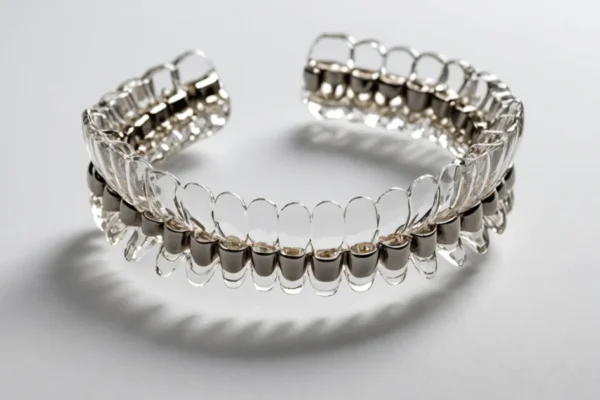
Essix retainers consist of thin, clear thermoplastic that molds precisely to your teeth. These removable appliances show exceptional vulnerability to heat damage, with temperatures above 100°F causing permanent warping. Hot beverages like coffee, tea, or hot chocolate can distort the plastic within minutes of contact.
Acidic drinks pose another significant threat to clear plastic retainers. Citrus juices, sodas, and wine contain acids that etch microscopic scratches into the plastic surface. These scratches create bacterial harbors and cause cloudiness that makes retainers visible when worn.
Staining represents a persistent problem with clear retainers exposed to pigmented beverages. Coffee, tea, red wine, and dark sodas penetrate the porous plastic material, creating permanent discoloration. Once stained, clear retainers lose their aesthetic advantage and may require replacement.
Hawley Retainers with Wire and Acrylic Components
Hawley retainers combine metal wires with colored acrylic bases, creating more durable appliances than their plastic counterparts. The metal components resist temperature changes better than plastic, allowing brief exposure to warm beverages without structural damage. However, the acrylic base still requires protection from extreme heat.
The wire framework typically uses stainless steel or titanium alloys that resist corrosion from acidic beverages. Nevertheless, prolonged acid exposure can cause metal discoloration and weaken solder joints where wires connect to clasps. Regular cleaning prevents acid buildup that leads to component failure.
Acrylic portions of Hawley retainers absorb stains similarly to clear plastic retainers, though colored acrylics mask discoloration better than transparent materials. Dark beverages still penetrate the acrylic matrix, potentially causing permanent color changes that affect the retainer’s appearance.
Permanent Bonded Retainers and Drinking Considerations
Bonded retainers attach permanently to the back surfaces of teeth using dental adhesive, eliminating removal concerns during drinking. These fixed appliances allow unrestricted beverage consumption without risk of heat damage or staining to the retainer itself. The thin wire design minimizes food and plaque accumulation compared to removable alternatives.
However, permanent retainers create unique cleaning challenges when consuming sugary or acidic beverages. The wire creates additional surfaces where bacteria accumulate, increasing cavity risk if proper oral hygiene lapses. Specialized cleaning techniques become essential for maintaining oral health with bonded appliances.
Sticky beverages like sports drinks or fruit juices can trap sugars around bonded retainer wires for extended periods. This prolonged sugar exposure feeds harmful bacteria that produce acids, potentially causing white spot lesions or cavities adjacent to the retainer wire.
Invisalign Retainers and Manufacturer Recommendations
Invisalign retainers use proprietary SmartTrack material that offers superior flexibility compared to standard clear retainers. Align Technology, the manufacturer, specifically recommends removing aligners and retainers before consuming any beverage except room temperature water. This strict protocol prevents material degradation and maintains optimal fit.
The company’s research demonstrates that even brief exposure to warm liquids can compromise the retainer’s ability to apply consistent pressure to teeth. Temperature-induced expansion creates micro-gaps that reduce effectiveness and may allow unwanted tooth movement over time.
Invisalign Warning
Material-Specific Care Instructions from Orthodontists
Orthodontists provide customized care instructions based on retainer materials and individual patient needs. These professional guidelines typically emphasize prevention over treatment, as retainer damage often requires complete replacement rather than repair.
For plastic retainers, orthodontists commonly recommend the “water-only rule” while wearing the appliance. This conservative approach eliminates virtually all risks associated with beverage consumption while maximizing retainer lifespan and effectiveness.
Metal retainer wearers receive more flexible guidelines that may permit brief exposure to lukewarm beverages, provided thorough cleaning follows immediately. However, most orthodontists still recommend removal for optimal protection and easier cleaning access.
| Retainer Type | Heat Tolerance | Acid Resistance | Stain Resistance | Drinking Recommendation |
|---|---|---|---|---|
| Essix (Clear Plastic) | Poor | Poor | Poor | Remove for all beverages |
| Hawley (Wire/Acrylic) | Moderate | Good | Fair | Remove for hot/acidic drinks |
| Bonded (Permanent) | Excellent | Excellent | N/A | No restrictions |
| Invisalign | Poor | Poor | Poor | Water only |
Consequences of Drinking Inappropriately With Retainers
Drinking inappropriate beverages while wearing retainers creates multiple serious problems that extend far beyond simple inconvenience. These consequences affect both the retainer’s structural integrity and your oral health, often requiring expensive interventions to correct.
Retainer Warping, Cracking, and Structural Damage
Hot beverages cause immediate thermal expansion in plastic retainers, leading to permanent warping that compromises their fit. Even lukewarm coffee or tea can soften thermoplastic materials enough to create micro-deformations that accumulate over time.
Acidic drinks like soda and juice weaken the polymer bonds in clear retainers, making them brittle and prone to stress fractures. These hairline cracks typically appear along pressure points where the retainer contacts teeth, eventually spreading until the appliance breaks completely.
Temperature fluctuations from drinking cold beverages immediately after hot ones create thermal shock that accelerates material fatigue. This repeated expansion and contraction cycle reduces retainer lifespan by up to 60% compared to water-only use.
Staining and Discoloration Issues
Clear retainers absorb pigments from colored beverages within minutes of exposure, creating unsightly yellow or brown stains that cannot be removed through normal cleaning. Coffee, tea, and red wine produce the most dramatic discoloration effects.
Even clear sodas and sports drinks contain artificial colorings that penetrate plastic surfaces, causing gradual opacity changes that make retainers highly visible when worn. This aesthetic degradation often motivates patients to wear their retainers less frequently, compromising treatment outcomes.
Stained retainers trap additional bacteria and debris more easily than clean ones, creating a cycle where discoloration leads to increased contamination and further staining. Professional cleaning services rarely restore heavily stained retainers to their original clarity.
Bacterial Buildup Leading to Oral Health Problems
Sugary beverages create an ideal breeding environment for harmful oral bacteria that multiply rapidly in the warm, moist space between retainers and teeth. These microorganisms produce acid byproducts that attack tooth enamel directly.
Milk and other protein-rich drinks leave residues that decompose quickly, feeding pathogenic bacteria strains associated with periodontal disease. The retainer acts as a barrier that prevents saliva from naturally washing away these bacterial colonies.
Studies show that retainer wearers who drink inappropriate beverages develop 3x higher bacterial counts compared to those following water-only protocols. This bacterial overgrowth often leads to white spot lesions and early-stage cavities that require immediate dental intervention.
Bad Breath and Taste Issues
Beverage residues trapped under retainers ferment rapidly, producing volatile sulfur compounds that cause persistent bad breath. This halitosis often persists even after removing the retainer and brushing teeth thoroughly.
Acidic drinks alter the pH balance in your mouth, creating conditions where anaerobic bacteria thrive and produce foul-smelling metabolic waste products. The retainer’s tight seal prevents normal air circulation that would otherwise help neutralize these odors.
Patients frequently report a metallic or sour taste that develops after drinking with retainers in place. This taste disturbance can persist for hours and often requires multiple rinses with antibacterial mouthwash to resolve completely.
Increased Cavity and Gum Disease Risk
Drinking sugary or acidic beverages with retainers creates a prolonged acid attack on tooth enamel that can last several hours. The retainer traps these harmful substances against teeth, preventing natural saliva buffering that normally neutralizes acid.
Research indicates that retainer wearers who regularly drink inappropriate beverages show 40% higher cavity rates compared to compliant patients. The combination of trapped sugars and reduced saliva access creates ideal conditions for rapid enamel demineralization.
Gum inflammation develops quickly when beverage residues accumulate along the retainer’s gum line, leading to gingivitis symptoms including bleeding, swelling, and tenderness. This inflammatory response can progress to more serious periodontal problems if left untreated.
Costly Retainer Replacement Needs
Damaged retainers require complete replacement rather than repair, with costs ranging from $200 to $800 per appliance depending on type and complexity. Insurance typically covers only one replacement per year, leaving patients responsible for additional costs.
Frequent replacements disrupt orthodontic treatment continuity, as patients often go several days without retainers while new ones are fabricated. This gap period allows unwanted tooth movement that may require additional orthodontic intervention to correct.
Emergency retainer replacements cost significantly more than routine orders, often requiring expedited laboratory fees that can double the standard price. Many patients discover this financial burden only after their damaged retainer becomes unwearable, forcing immediate action regardless of cost.
Additionally, proper retainer cleaning techniques become more challenging and time-consuming when dealing with beverage-damaged appliances, requiring specialized cleaning products and extended soaking times to maintain basic hygiene standards.
Best Practices for Retainer Care and Drinking
Successful retainer maintenance requires establishing clear protocols for drinking, storage, and cleaning. Therefore, implementing structured routines protects both your orthodontic investment and oral health while maximizing treatment effectiveness.
Establishing a Routine for Meal and Beverage Times
Creating designated drinking periods helps minimize retainer exposure to harmful beverages while maintaining proper hydration. Furthermore, timing your beverage consumption around retainer removal windows reduces the risk of damage and staining.
Schedule major beverage consumption during meals when retainers should be removed anyway. Additionally, limit sugary or acidic drinks to specific times rather than sipping throughout the day, which creates prolonged acid exposure.
- Remove retainers 15 minutes before consuming non-water beverages
- Wait 30 minutes after drinking acidic beverages before reinsertion
- Rinse mouth thoroughly with water between beverages and retainer placement
- Designate specific times for coffee, juice, or soda consumption
Carrying a Retainer Case for Safe Storage
Proper storage prevents retainer damage, loss, and contamination during drinking periods. Moreover, retainer cases provide essential protection while allowing convenient beverage consumption without compromising orthodontic appliances.
Always carry a clean, ventilated retainer case whenever leaving home. Similarly, keep backup cases in frequently visited locations like work, school, or your car to ensure safe storage options remain available.
Storage Best Practices
Cleaning Protocols After Drinking and Before Reinsertion
Thorough cleaning removes beverage residues that could damage retainers or promote bacterial growth. Consequently, following proper cleaning protocols ensures optimal oral health and extends retainer lifespan significantly.
Rinse your mouth with plain water immediately after consuming any beverage other than water. Subsequently, brush your teeth or use an alcohol-free mouthwash before reinserting retainers to eliminate sugar and acid residues.
- Rinse mouth thoroughly with room temperature water
- Wait 30 minutes after acidic beverage consumption
- Brush teeth gently with fluoride toothpaste
- Clean retainer with appropriate cleaning solution
- Rinse retainer with cool water before reinsertion
Emergency Situations and Temporary Solutions
Unexpected situations sometimes require immediate beverage consumption while wearing retainers. Nevertheless, implementing emergency protocols minimizes potential damage until proper cleaning becomes possible.
When retainer removal isn’t possible, drink through a straw positioned behind the retainer to minimize contact. However, rinse with water immediately afterward and remove retainers for thorough cleaning as soon as circumstances allow.
| Emergency Situation | Immediate Action | Follow-up Required |
|---|---|---|
| Social drinking event | Use straw, rinse frequently | Deep clean within 2 hours |
| Work meeting with coffee | Small sips, water rinses | Remove and clean ASAP |
| Forgot retainer case | Limit to water only | Thorough cleaning at home |
When to Consult Your Orthodontist About Drinking Habits
Professional guidance becomes necessary when drinking habits compromise retainer function or oral health. Therefore, scheduling consultations helps address concerns before they develop into costly problems requiring extensive intervention.
Contact your orthodontist if retainers show signs of warping, discoloration, or persistent odors despite proper cleaning. Additionally, seek professional advice when lifestyle demands make following standard drinking protocols consistently challenging.
- Visible retainer damage or warping from heat exposure
- Persistent staining that cleaning cannot remove
- Frequent gum irritation or inflammation
- Difficulty maintaining recommended drinking restrictions
- Questions about specific beverages or medications
Regular orthodontic check-ups provide opportunities to discuss drinking habits and receive personalized recommendations. Furthermore, early intervention prevents minor issues from becoming major complications that could compromise your orthodontic results.
Frequently Asked Questions
Can I drink water with my retainer in?
Yes, plain water at room temperature is the only completely safe beverage to drink with retainers in place. Cold water poses minimal risk, but avoid extremely cold water as it can cause temporary contraction of thermoplastic materials.
Can I drink soda with my retainer in?
No, you should never drink soda with retainers in. Soda contains sugar and acids that promote bacterial growth and can damage retainer materials. Even diet sodas contain acids and artificial sweeteners that harm retainer surfaces over time.
Can you drink juice with a retainer in?
No, all juices require retainer removal before consumption. Fruit juices are highly acidic and contain natural sugars that create an ideal environment for bacterial growth. The acids can also directly attack retainer polymers and soften the material surface.
Can I drink milk with my retainer in?
No, you should remove your retainer before drinking milk. While milk seems harmless, it contains lactose (milk sugar) that feeds bacteria and can cause plaque buildup on both retainers and teeth. Milk proteins can also adhere to retainer surfaces.
Can I drink through a straw with retainers?
Using a straw does not make it safe to drink other beverages with retainers in. While straws may reduce direct contact with teeth, liquids still reach retainer surfaces and create the same risks of bacterial growth, staining, and material damage.
Can I drink sparkling water with retainers?
No, sparkling water should be consumed with retainers removed. The carbonation creates carbonic acid, which can damage retainer materials and tooth enamel. Even unflavored sparkling water is more acidic than plain water.
Will alcohol damage my retainer?
Yes, alcoholic beverages can damage retainers through multiple mechanisms. Alcohol can dry out and weaken plastic materials, while many alcoholic drinks also contain sugars, acids, and colorants that cause additional harm. Always remove retainers before drinking alcohol.
Can I drink cold coffee with retainers?
No, even cold coffee requires retainer removal. Coffee is highly acidic and contains tannins and chromogens that cause permanent staining. The temperature doesn’t eliminate these risks – cold coffee can still damage and discolor your retainer.
What is the 30-minute rule with retainers?
The 30-minute rule means waiting at least 30 minutes after consuming acidic beverages before reinserting your retainer. This waiting period allows your mouth’s natural pH to neutralize, preventing acid entrapment against your teeth that could cause enamel damage.
Can I go 2 hours without my retainer?
Yes, you can safely go 2 hours without your retainer for drinking and eating. However, avoid leaving retainers out for extended periods unnecessarily. Follow your orthodontist’s specific instructions about minimum daily wear time to maintain treatment results.
What should I do if my retainer accidentally contacts other beverages?
If your retainer accidentally contacts other beverages, remove it immediately and rinse thoroughly with cool water. Clean the retainer according to your orthodontist’s instructions before reinserting. Prompt action minimizes potential damage and bacterial buildup.
How should I store my retainer while drinking?
Always store your retainer in its protective case when removed for drinking. Never wrap it in napkins or leave it exposed, as this increases the risk of loss, damage, or bacterial contamination. Keep the case clean and dry between uses.
Can I eat with my retainer in?
No, retainers should be removed before eating any food. Chewing with retainers can cause cracks, breaks, or warping. Food particles can also become trapped, leading to bacterial growth and difficulty cleaning. Always remove retainers before meals and snacks.
How do I clean my mouth before reinserting retainers?
Rinse your mouth thoroughly with water after drinking or eating, and brush your teeth if possible. Wait the appropriate time for pH neutralization after acidic beverages. This cleaning protocol prevents trapping food particles and bacteria against your teeth when you reinsert the retainer.
You May Also Like
How to Improve Accuracy in Health and Fitness Wearable Apps
What is an Essix Retainer? Complete Guide to Clear Retainers
Lost Your Retainer? Here’s What to Do Right Away