How Much Does a Retainer Cost in 2026? Complete Price Guide

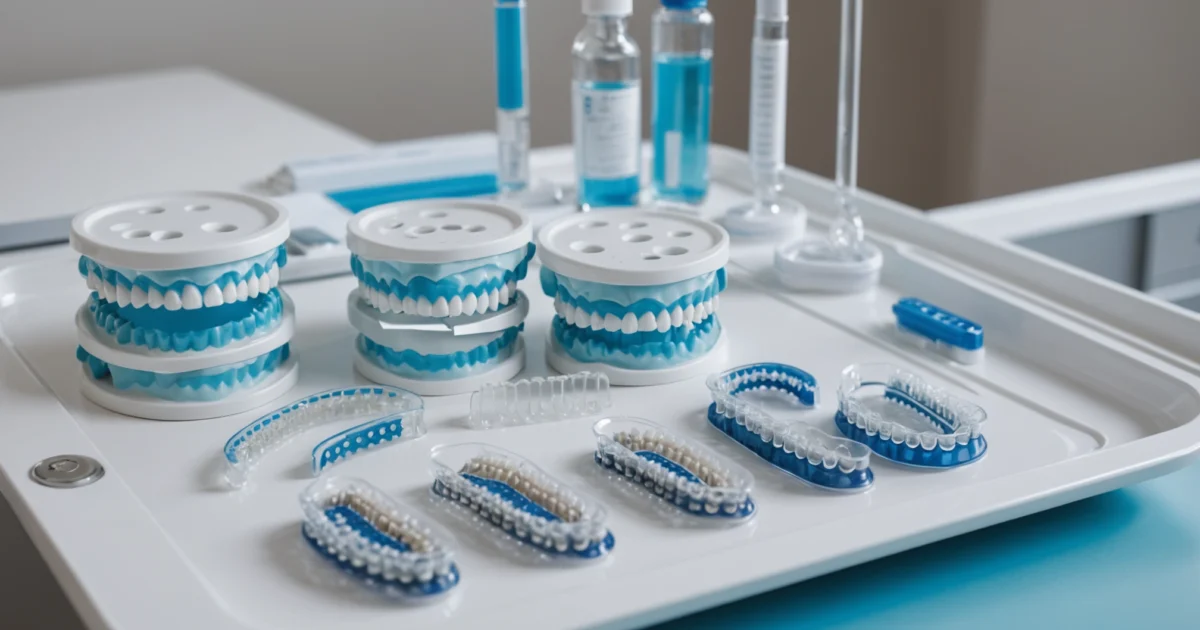
How much does a retainer cost? Orthodontic retainers typically range from $100 to $800, with clear plastic retainers averaging $150-$300 and permanent retainers costing $250-$500 per arch. However, costs vary significantly based on retainer type, geographic location, and whether you have dental insurance coverage.
Most patients need retainers after completing orthodontic treatment to maintain their newly straightened teeth. Additionally, understanding proper retainer care helps extend their lifespan and avoid costly replacements. The total investment depends on several key factors that affect pricing across different providers.
This comprehensive guide breaks down current retainer costs by type, examines insurance coverage options, and reveals practical strategies to reduce your out-of-pocket expenses. Furthermore, we’ll explore replacement costs and maintenance requirements to help you budget effectively for long-term orthodontic care.
TL;DR
- Clear retainers cost $150-$300, while permanent retainers range from $250-$500 per arch
- Insurance coverage varies but typically covers 50-80% of retainer costs with orthodontic benefits
- Replacement costs are often 20-30% less than initial retainers, with proper care extending lifespan to 2-5 years
Average Retainer Costs in 2026
Retainer costs have increased significantly in 2026, with clear plastic retainers now averaging $200-$400 per set. Meanwhile, permanent retainers range from $300-$600 per arch, while traditional Hawley retainers cost between $250-$500. These price increases reflect rising material costs and inflation impacts on orthodontic practices nationwide.
Current Price Ranges by Retainer Type
| Retainer Type | Average Cost | Lifespan | Replacement Cost |
|---|---|---|---|
| Clear Plastic (Essix) | $200-$400 | 1-2 years | $150-$300 |
| Hawley (Wire & Acrylic) | $250-$500 | 5-10 years | $200-$400 |
| Permanent (Bonded Wire) | $300-$600 per arch | 10+ years | $250-$500 |
| Vivera (Invisalign) | $400-$800 (set of 4) | 1-2 years each | $300-$600 |
Clear plastic retainers remain the most affordable option for initial treatment. However, their shorter lifespan means higher long-term replacement costs compared to durable Hawley retainers. Permanent retainers offer excellent value despite higher upfront costs because they rarely require replacement.
Regional Cost Variations Across the United States
Geographic location significantly impacts retainer pricing, with urban areas typically charging 20-40% more than rural regions. West Coast and Northeast markets command premium prices due to higher overhead costs and increased demand for orthodontic services.
- High-cost regions: California, New York, Massachusetts ($300-$600 average)
- Moderate-cost regions: Texas, Florida, Illinois ($250-$450 average)
- Lower-cost regions: Midwest, South, Rural areas ($200-$400 average)
Additionally, metropolitan areas like San Francisco and Manhattan often exceed national averages by 30-50%. Conversely, smaller cities and rural communities typically offer more competitive pricing for orthodontic services.
Removable vs Permanent Retainer Cost Analysis
Removable retainers cost less initially but require periodic replacement every 1-5 years depending on type and care. Proper cleaning and maintenance significantly extends their lifespan and reduces replacement frequency.
Pros
- Lower upfront investment ($200-$500)
- Easy to clean and maintain
- Can be removed for eating
- Multiple style options available
Cons
- Requires discipline to wear consistently
- Higher long-term replacement costs
- Risk of loss or damage
- May affect speech initially
Permanent retainers eliminate compliance issues and provide continuous tooth retention. While initial costs are higher, they typically last 10-15 years with proper oral hygiene, making them cost-effective long-term investments.
Inflation Impact and Price Trends
Orthodontic fees have increased 15-25% since 2022 due to inflation, supply chain disruptions, and rising laboratory costs. Material shortages for clear plastics and dental-grade metals have particularly affected retainer pricing across all categories.
Retainer costs increased 22% between 2023-2026, with clear plastic retainers experiencing the steepest price rises
Furthermore, orthodontic practices face higher operational costs including staff wages, rent, and equipment maintenance. These overhead increases directly impact patient fees, with most providers implementing annual price adjustments to maintain profitability.
Industry experts predict continued price growth of 3-5% annually through 2027, making early retainer investment potentially more cost-effective than delaying treatment. However, improved manufacturing efficiency may help stabilize costs for mass-produced clear retainers.
Types of Retainers and Their Costs
Different retainer types offer varying benefits and price points, allowing patients to choose options that match their budget and lifestyle needs. Understanding each type’s features and costs helps you make informed decisions about post-orthodontic care.
Clear Plastic Retainers (Essix)
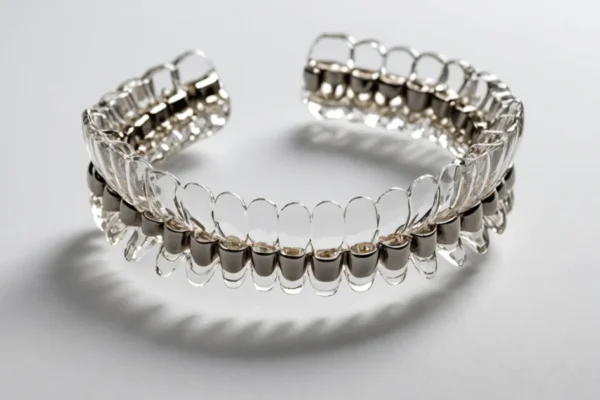
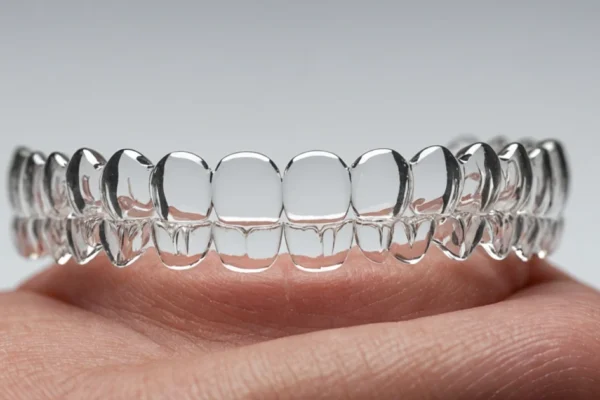
Clear plastic retainers represent the most popular choice among orthodontic patients due to their aesthetic appeal and comfort. These transparent appliances cost between $100-$300 per arch, with most practices charging around $200 for a complete upper and lower set.
Essix retainers use thermoplastic materials that mold precisely to your teeth, providing excellent retention while remaining virtually invisible during wear. Their lightweight design makes them comfortable for extended use, though they require careful handling to prevent cracking or warping.
Replacement frequency affects long-term costs significantly. Most clear retainers need replacement every 1-2 years with normal wear, making them more expensive over time compared to other options. However, their convenience and appearance justify the higher ongoing investment for many patients.
Wire Retainers (Hawley)
Hawley retainers combine durability with adjustability, featuring metal wires attached to acrylic bases that rest against the roof of your mouth. These traditional appliances cost $150-$400 per arch, depending on customization options and laboratory fees.
Customization options significantly impact pricing. Basic Hawley retainers with standard pink acrylic cost less than models featuring colored designs, patterns, or team logos. Additionally, practices may charge extra for premium wire materials or specialized clasps that improve retention.
Durability makes Hawley retainers cost-effective long-term investments. With proper care, these appliances last 5-10 years before requiring replacement, compared to 1-2 years for clear alternatives. Their adjustable design also allows orthodontists to make minor modifications without full replacement.
Permanent Fixed Retainers
Fixed retainers provide continuous tooth retention through thin wires bonded to the back surfaces of front teeth. Installation costs range from $200-$600 per arch, with most orthodontists charging around $400 for complete upper and lower placement.
Installation procedures require specialized bonding materials and precise wire placement techniques. Orthodontists must carefully position each wire segment to maintain proper tooth alignment while ensuring patient comfort during speaking and eating activities.
Maintenance costs include periodic checkups and potential repairs when wires break or debond. Most patients spend $50-$150 annually on maintenance visits, though proper cleaning techniques help minimize repair needs and extend wire longevity significantly.
Long-term value becomes apparent over time. Fixed retainers typically last 10-15 years with proper care, making them the most economical option despite higher initial investment costs compared to removable alternatives.
Vivera Retainers Premium Pricing
Vivera retainers represent Invisalign’s premium clear retainer option, utilizing advanced manufacturing processes and proprietary materials. These high-end appliances cost $400-$800 for a complete set, significantly more than standard clear retainers from other manufacturers.
Premium pricing reflects several advanced features. Vivera retainers use 30% stronger materials than conventional clear retainers, reducing breakage rates and extending replacement intervals. Their precise digital manufacturing process also ensures superior fit and retention compared to traditional vacuum-formed alternatives.
Patients typically receive multiple sets with their initial Vivera purchase, providing backup retainers when primary appliances need cleaning or repair. This comprehensive approach reduces emergency replacement costs and ensures continuous treatment compliance.
| Feature | Clear Plastic (Essix) $100-$300 | Wire (Hawley) $150-$400 | Fixed/Permanent $200-$600 | Vivera (Premium) $400-$800 |
|---|---|---|---|---|
| Initial Cost | — | — | — | — |
| Expected Lifespan | 1-2 years | 5-10 years | 10-15 years | 2-3 years |
| Key Benefits | — | — | — | — |
Cost-effectiveness analysis reveals different value propositions for each retainer type. While Vivera retainers command premium prices, their superior durability and comprehensive service packages may justify the investment for patients prioritizing convenience and reliability over initial cost savings.
Factors That Affect Retainer Pricing
Multiple variables influence retainer costs, creating significant price variations across different providers and geographic regions. Understanding these pricing factors helps patients make informed decisions while budgeting for orthodontic retention treatment.
Geographic Location and Cost of Living Impact
Geographic location creates the most dramatic pricing differences for dental retainers across the United States. Urban areas with higher living costs typically charge 30-50% more than rural locations for identical retainer services.
California practices often charge $400-$800 for clear retainers, while similar appliances cost $200-$400 in Texas and other lower-cost regions. Metropolitan areas like New York City, San Francisco, and Los Angeles command premium pricing due to elevated overhead expenses and higher practitioner salaries.
Regional insurance coverage also varies significantly. Some states mandate orthodontic benefits, while others provide minimal retention coverage, affecting patient out-of-pocket expenses substantially.
Orthodontist vs General Dentist Pricing Differences
Orthodontist fees typically exceed general dentist charges by 20-40% for comparable retainer services. Specialized training, advanced equipment, and focused expertise justify these premium rates for complex retention cases.
General dentists often provide basic removable retainers at lower costs, making them attractive options for straightforward retention needs. However, orthodontists excel at managing complicated cases requiring precise adjustments and specialized materials.
Practice specialization affects service quality and pricing structures. Orthodontic offices invest heavily in digital scanning equipment, 3D printing technology, and specialized laboratory relationships that enhance retainer precision but increase operational costs.
Complexity of Case and Customization Requirements
Case complexity directly impacts retainer pricing, with simple maintenance cases costing significantly less than complex retention scenarios requiring multiple appliance types or specialized designs.
Patients with severe rotations, spacing issues, or bite irregularities often need customized retention protocols combining fixed and removable appliances. These comprehensive approaches can double or triple standard retainer costs.
Digital treatment planning and custom manufacturing processes add $100-$300 to basic retainer fees. However, these investments improve fit accuracy and reduce adjustment appointments, potentially saving money long-term.
Practice Overhead and Facility Costs
Practice overhead expenses significantly influence retainer pricing structures across different dental facilities. Modern practices with advanced technology, premium locations, and extensive staff require higher fees to maintain profitability.
Laboratory partnerships affect pricing substantially. Practices using local laboratories typically charge more than those utilizing overseas manufacturing, though quality and turnaround times often justify premium costs.
Insurance processing, administrative staff, and facility maintenance create ongoing expenses that practices incorporate into retainer pricing. Therefore, larger practices with higher overhead often charge more than smaller, streamlined operations.
Brand and Material Quality Considerations
Material quality creates substantial price variations between different retainer brands and manufacturing processes. Premium materials like Vivera’s proprietary thermoplastic cost more than standard clear retainer plastics.
Brand reputation influences pricing significantly. Established manufacturers with proven track records command higher prices than newer companies or generic alternatives, though quality differences may justify premium costs.
Wire quality in fixed retainers varies considerably between suppliers. Proper retainer maintenance becomes crucial regardless of material choice, as neglect can necessitate expensive replacements even with premium appliances.
Cost-Saving Tip
Insurance Coverage for Retainers
Understanding insurance benefits for retainers requires careful examination of your specific dental plan’s orthodontic provisions. Most dental insurance policies classify retainers as orthodontic appliances rather than general dental maintenance, which significantly affects coverage levels and reimbursement rates.
Typical Dental Insurance Benefits for Retainers
Standard dental insurance plans typically cover 50% to 80% of retainer costs when orthodontic benefits remain available. However, many plans exhaust orthodontic lifetime maximums during initial treatment phases, leaving patients responsible for full retainer expenses.
Insurance companies often categorize retainer replacements differently than initial retainers. First retainers following active treatment usually receive full orthodontic benefit coverage, while subsequent replacements may fall under general dental benefits with lower reimbursement percentages.
| Insurance Type | Typical Coverage | Annual Maximum |
|---|---|---|
| PPO Plans | 50-80% | $1,000-$2,500 |
| HMO Plans | Varies by provider | $500-$1,500 |
| Employer Plans | 60-90% | $1,500-$3,000 |
Orthodontic Coverage Limitations and Waiting Periods
Orthodontic waiting periods create significant barriers for retainer coverage, particularly for new insurance enrollees. Most plans impose 12 to 24-month waiting periods before orthodontic benefits activate, affecting patients who need immediate retainer replacements.
Lifetime maximums represent the most restrictive coverage limitation for retainer expenses. Once patients exhaust their orthodontic lifetime benefit—typically $1,000 to $3,000—insurance provides no additional coverage for retainers or other orthodontic appliances.
Age restrictions further complicate retainer coverage for adult patients. Many insurance plans limit orthodontic benefits to patients under 19 years old, requiring adults to pay full retainer costs regardless of medical necessity.
Coverage Verification Essential
HSA and FSA Eligibility for Retainer Costs
Health Savings Accounts (HSA) and Flexible Spending Accounts (FSA) provide excellent alternatives for covering retainer expenses when insurance benefits prove insufficient. The IRS classifies retainers as qualified medical expenses, making them fully eligible for tax-advantaged account reimbursement.
HSA funds offer permanent availability for retainer costs, unlike FSA accounts with annual use-or-lose provisions. Patients can accumulate HSA balances over multiple years to cover expensive retainer replacements or upgrades to premium materials.
- Initial retainers following orthodontic treatment
- Replacement retainers due to damage or loss
- Retainer cleaning supplies and maintenance products
- Professional retainer adjustments and repairs
FSA contribution limits for 2024 reach $3,200 annually, providing substantial coverage for retainer expenses. Additionally, many employers offer grace periods or carryover provisions that extend FSA fund availability beyond the plan year.
What to Expect from Copays and Deductibles
Copayment structures for retainers vary significantly between insurance plans and provider networks. In-network orthodontists typically charge $20 to $50 copays per retainer visit, while out-of-network providers may require full payment upfront with partial reimbursement.
Deductibles affect retainer coverage timing and patient responsibility amounts. Plans with high deductibles—often $500 to $2,000—require patients to meet these thresholds before insurance begins covering retainer costs at contracted percentages.
Annual benefit maximums create additional financial considerations for retainer planning. Once patients reach their annual orthodontic maximum, typically between $1,000 and $2,500, insurance provides no additional coverage until the next benefit year begins. Proper retainer maintenance becomes crucial for extending appliance lifespan and minimizing replacement frequency.
Insurance covers 50-80% of retainer costs when orthodontic benefits remain available, but lifetime maximums often exhaust during initial treatment
Pre-authorization requirements affect retainer coverage approval and reimbursement timelines. Many insurance companies require prior approval for retainer replacements, particularly when requesting premium materials or multiple appliances simultaneously.
Retainer Replacement Costs
Retainer replacement frequency directly impacts long-term orthodontic costs, with most patients requiring new appliances every 2-5 years depending on wear patterns and care quality. However, replacement schedules vary significantly based on retainer type, patient age, and maintenance habits.
How Often Retainers Need Replacement
Clear plastic retainers typically require replacement every 6-18 months due to material degradation and normal wear. These removable appliances crack, warp, or become discolored with regular use, necessitating frequent updates to maintain proper tooth positioning.
Conversely, permanent wire retainers last 10-20 years when properly maintained, though periodic adjustments and repairs extend their functional lifespan. Metal components resist daily wear better than plastic alternatives, making them cost-effective long-term solutions.
Patient age significantly influences replacement frequency patterns. Teenagers often require more frequent replacements due to continued jaw growth and less consistent care routines, while adults typically maintain retainers longer through improved hygiene habits.
Cost Differences Between Initial and Replacement Retainers
Replacement retainer costs generally range from 60-80% of original appliance prices, as orthodontists eliminate consultation fees and extensive fitting appointments. Initial retainer costs include comprehensive examinations, impressions, and detailed customization work that replacement orders streamline.
| Retainer Type | Initial Cost | Replacement Cost | Savings |
|---|---|---|---|
| Clear Plastic | $300-600 | $200-450 | 20-30% |
| Hawley Wire | $400-800 | $250-500 | 25-40% |
| Permanent Wire | $500-1,200 | $300-800 | 30-35% |
Furthermore, many orthodontic practices offer replacement discounts for existing patients, reducing costs by an additional 10-20% compared to new patient pricing. These loyalty programs recognize ongoing patient relationships and encourage proper retainer maintenance.
Warranty and Guarantee Policies
Most orthodontic providers include 30-90 day warranties covering manufacturing defects and initial fitting adjustments for new retainers. These guarantees protect patients from immediate replacement costs when appliances fail due to provider errors or material flaws.
Extended warranty programs offer additional protection for 6-12 months, typically costing $50-150 depending on retainer type and coverage scope. These policies cover accidental damage, normal wear beyond expected timelines, and unlimited adjustments during the warranty period.
However, warranties exclude damage from patient negligence, including loss, intentional damage, or failure to follow proper cleaning protocols. Understanding warranty limitations helps patients make informed decisions about additional protection purchases.
Emergency Replacement Options and Pricing
Emergency retainer services provide rapid replacement options for urgent situations, typically delivering new appliances within 24-72 hours. These expedited services cost 25-50% more than standard replacement timelines but prevent tooth movement during extended periods without retention.
Same-day replacement options utilize digital scanning technology and in-office 3D printing capabilities, allowing immediate appliance fabrication for premium fees. These services typically cost $400-800 regardless of retainer type, reflecting the convenience and technology investment required.
Emergency Replacement Timeline
Additionally, temporary retainer solutions provide interim protection while permanent replacements undergo fabrication. These basic appliances cost $100-250 and prevent significant tooth movement during the 1-2 week standard replacement timeframe.
Ways to Reduce Retainer Costs
Smart shopping strategies significantly reduce orthodontic retainer expenses while maintaining quality care. Furthermore, various financing options and preventive measures help patients manage costs effectively without compromising treatment outcomes.
Shopping Around and Getting Multiple Quotes
Retainer prices vary substantially between orthodontic practices, with differences often reaching $200-400 for identical appliances. Therefore, obtaining quotes from at least three providers reveals significant cost variations and negotiation opportunities.
Independent orthodontists typically charge 15-25% less than corporate dental chains for comparable retainer services. Additionally, general dentists who provide orthodontic services often offer competitive pricing compared to specialized practices.
Online retainer companies provide direct-to-consumer options starting at $99-199, though these services require existing dental impressions or scans. However, patients should verify that remote providers offer adequate follow-up care and adjustment services.
Dental Schools and Training Programs
Dental schools offer supervised retainer services at 50-70% below standard market rates through their student clinics. Moreover, these programs provide comprehensive care under faculty supervision, ensuring quality while reducing costs significantly.
Orthodontic residency programs create retainers for $150-300 depending on appliance complexity and institutional policies. Consequently, patients receive expert-level care from advanced students while contributing to educational training programs.
Community health centers and dental hygiene schools also provide affordable retainer options through their training curricula. These programs typically require longer appointment times but deliver substantial cost savings for budget-conscious patients.
Payment Plans and Financing Options
Most orthodontic practices offer payment plans that divide retainer costs into 3-12 monthly installments without interest charges. Additionally, these arrangements make expensive retainer replacements more manageable for families on tight budgets.
Third-party financing companies like CareCredit provide longer-term payment options with promotional interest rates for qualified applicants. Furthermore, these services often include 6-24 month interest-free periods for orthodontic expenses.
Health Savings Accounts (HSAs) and Flexible Spending Accounts (FSAs) allow tax-free retainer purchases using pre-tax dollars. Consequently, patients can reduce effective retainer costs by 20-30% depending on their tax bracket.
Proper Care to Extend Retainer Lifespan
Meticulous retainer maintenance dramatically extends appliance lifespan, preventing premature replacements that cost hundreds of dollars. Proper cleaning techniques preserve retainer integrity while maintaining oral hygiene standards.
Daily cleaning with gentle soap and lukewarm water prevents bacterial buildup and material degradation that shortens retainer life. Moreover, avoiding hot water exposure prevents warping that necessitates expensive replacements.
Protective storage cases prevent accidental damage and loss, which account for 60-70% of retainer replacements according to orthodontic studies. Therefore, consistent case usage represents the most effective cost-prevention strategy available.
Regular orthodontic checkups identify minor issues before they require complete retainer replacement, potentially saving $300-600 in replacement costs. Additionally, professional cleaning and adjustments extend functional lifespan significantly.
Cost-Saving Tip
Frequently Asked Questions
How much do retainers cost on average?
Orthodontic retainers typically cost between $200-$600 depending on the type. Clear plastic retainers average $200-$400, Hawley retainers cost $250-$500, and permanent retainers range from $300-$600 per arch. Prices have increased 22% since 2023 due to inflation and material costs.
How much do retainers cost with insurance?
Insurance coverage varies but typically covers 50-80% of retainer costs when you have orthodontic benefits. This can reduce your out-of-pocket expense to $50-$200 for most retainer types. Check with your insurance provider about specific coverage limits and waiting periods.
How much do removable retainers cost?
Removable retainers cost $200-$500 depending on the type. Clear plastic (Essix) retainers are the most affordable at $200-$400, while traditional Hawley retainers with wire and acrylic cost $250-$500. Replacement costs are typically 20-30% less than initial retainers.
How much is a new retainer without insurance?
Without insurance, expect to pay the full cost: $200-$600 for most retainer types. Clear plastic retainers are the most budget-friendly option at $200-$400, while premium options like Vivera retainers can cost $400-$800 for a set of four.
What is the plastic retainer replacement cost?
Plastic retainer replacements typically cost $150-$300, which is 20-30% less than the initial retainer price. Clear plastic retainers need replacement every 1-2 years with normal wear, making proper care essential to maximize their lifespan.
How much does an Invisalign retainer cost?
Invisalign Vivera retainers cost $400-$800 for a set of four retainers. While more expensive initially, you receive multiple sets that typically last 1-2 years each, providing better long-term value than single clear retainers.
Is retainer covered by insurance?
Yes, retainers are often covered by dental insurance when you have orthodontic benefits. Coverage typically ranges from 50-80% of the cost, but check your specific plan for coverage limits, waiting periods, and whether retainers are considered part of your orthodontic treatment or a separate benefit.
Which type of retainer offers the best value?
Permanent retainers offer the best long-term value despite higher upfront costs ($300-$600 per arch). They last 10-15 years with proper care and eliminate compliance issues. For removable options, Hawley retainers provide excellent value with their 5-10 year lifespan.
How do retainer costs vary by location?
Geographic location significantly impacts pricing. High-cost regions like California and New York average $300-$600, while moderate-cost areas like Texas and Florida range $250-$450. Rural and Midwest regions typically offer the lowest prices at $200-$400.
Can I go 2 hours without my retainer?
Yes, going 2 hours without your retainer is generally safe, especially if you’ve been wearing it consistently. However, teeth can begin shifting within hours, so it’s best to minimize time without your retainer, particularly during the first year after orthodontic treatment.
Can retainers fix an overbite?
Retainers are primarily designed to maintain tooth position after orthodontic treatment, not actively correct overbites. While some minor adjustments may be possible with certain retainer types, significant overbite correction typically requires comprehensive orthodontic treatment with braces or aligners.
How often do retainers need replacement?
Replacement frequency depends on retainer type:
- Clear plastic retainers: Every 1-2 years
- Hawley retainers: Every 5-10 years
- Permanent retainers: Every 10-15 years (if needed)
- Vivera retainers: Each retainer lasts 1-2 years
What factors affect retainer pricing?
Several factors influence retainer costs:
- Retainer type: Clear plastic vs. Hawley vs. permanent
- Geographic location: Urban areas cost 20-40% more than rural
- Insurance coverage: Can reduce costs by 50-80%
- Provider type: Orthodontist vs. general dentist
- Material quality: Premium materials cost more
Are there ways to reduce retainer costs?
Yes, several strategies can help reduce costs:
- Use insurance benefits if available
- Compare prices between providers
- Consider payment plans offered by orthodontic offices
- Proper care to extend retainer lifespan
- Ask about package deals for multiple retainers
You May Also Like

How to Improve Accuracy in Health and Fitness Wearable Apps
What is an Essix Retainer? Complete Guide to Clear Retainers
Lost Your Retainer? Here’s What to Do Right Away