Hand Tattoos: Complete Guide to Pain, Designs & Aftercare

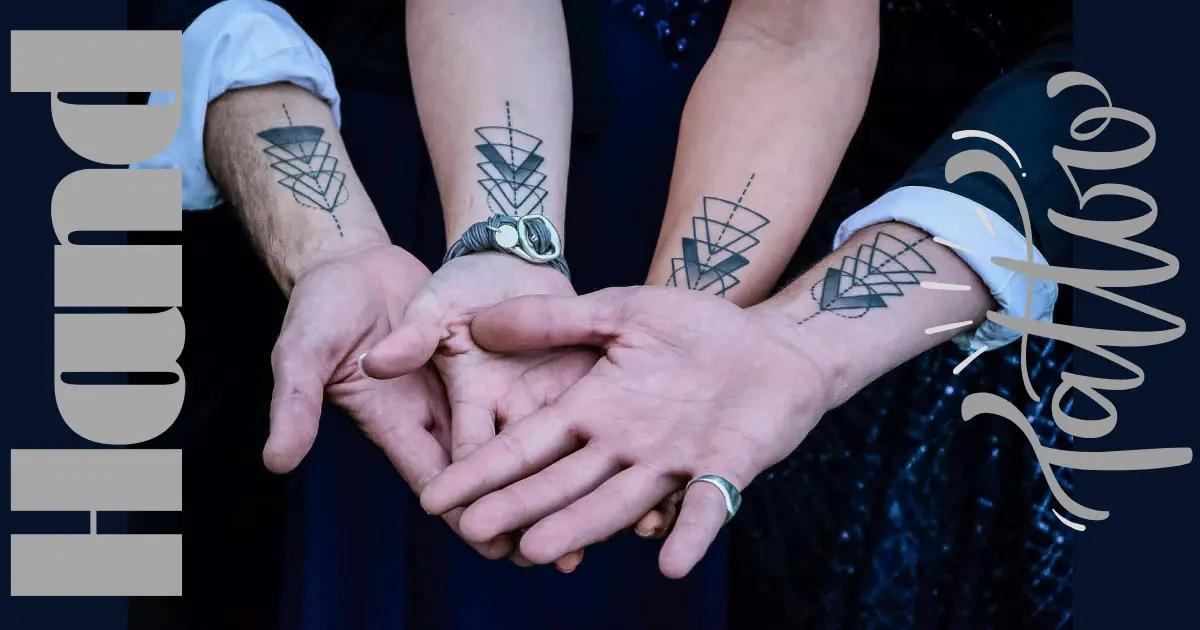
Hand tattoos represent one of the boldest statements in body art—highly visible, impossible to hide, and deeply personal. Whether you’re drawn to minimalist symbols on your fingers, intricate designs across your knuckles, or full hand coverage, understanding what you’re committing to is essential before booking that appointment. Hand tattoos come with unique challenges: they’re among the most painful placements, fade faster than tattoos on other body parts, and carry significant social and professional implications. This comprehensive guide covers everything from pain levels and healing processes to design ideas and long-term maintenance, giving you the honest information you need to make an informed decision about getting hand tattoos.
What Makes Hand Tattoos Different (Visibility, Fading & Commitment)
Hand tattoos occupy a unique category in the tattoo world, fundamentally different from ink on your back, arms, or legs. The most obvious distinction is permanent visibility—you cannot hide hand tattoos with clothing in most situations. Unlike a shoulder piece you can cover with a shirt or a thigh tattoo concealed by pants, hand tattoos remain exposed during job interviews, family gatherings, formal events, and everyday interactions.
The skin on your hands presents specific challenges for tattoo longevity. Hand skin is thinner than most body areas and constantly exposed to environmental factors: sunlight, friction from daily activities, frequent washing, and contact with chemicals in soaps and cleaning products. This combination means hand tattoos fade significantly faster than tattoos on protected areas like your torso or upper arms. What looks crisp and bold initially may become blurred or faded within just a few years without proper care and touch-ups.
The hand’s anatomy also affects how tattoos settle. Your hands contain numerous bones close to the surface, minimal fat padding, and constant movement from joints and tendons. This creates an uneven canvas where ink may heal differently across various zones—knuckles, fingers, palms, and the back of the hand each present distinct challenges. Some areas, particularly the sides of fingers and palms, are notorious for ink rejection, where your body pushes out the pigment during healing.
Many professional tattoo artists consider hand tattoos a serious commitment that shouldn’t be your first piece. The traditional “tattoo collector’s rule” suggests earning your hand tattoos by first getting substantial work on less visible areas. This isn’t just gatekeeping—it reflects the reality that hand tattoos carry consequences you should fully understand before committing. Once you get hand tattoos, you’re making a statement about your relationship with mainstream professional culture and social norms.
Hand Tattoo Pain Level: What to Actually Expect
If you’re wondering how painful is a tattoo on your hand, the honest answer is: very painful compared to most other placements. Hand tattoos consistently rank among the most painful tattoo locations, typically rated 7-9 out of 10 on pain scales. Several anatomical factors contribute to this intense discomfort.
The back of your hand has minimal fat or muscle to cushion the needle, meaning you’re essentially getting tattooed directly over bone and tendons. Every pass of the needle vibrates through these structures, creating a sharp, intense sensation that many describe as more acute than the dull burning of fleshier areas. The hand tattoo pain is particularly pronounced over knuckles, where bone sits immediately beneath thin skin.
Finger tattoos present their own unique pain profile. The sides of fingers, where many people want small symbols or text, contain numerous nerve endings in a compact area. The pain here is often described as electric or stinging, quite different from the scratching sensation of tattooing meatier body parts. The webbing between fingers ranks even higher on the pain scale, with some people finding it nearly unbearable.
Palm tattoos represent the extreme end of hand tattoo pain. The palm contains one of the highest concentrations of nerve endings in your entire body—designed for tactile sensitivity. Getting tattooed here creates an overwhelming sensory experience that most artists and clients describe as excruciating. Additionally, palm tattoos have poor retention rates, often fading significantly or disappearing entirely within months, making the intense pain potentially unrewarding.
Pain tolerance varies individually, but expect your hand tattoo session to be challenging regardless of your previous tattoo experience. Sessions typically last 1-3 hours depending on design complexity. The constant, unrelenting nature of hand tattoo pain—without the breaks that muscle or fat provide—makes even shorter sessions feel lengthy. Many people report that the pain intensifies as the session progresses and the area becomes increasingly sensitive.
Strategies to manage hand tattoo pain include staying well-hydrated before your appointment, eating a substantial meal beforehand to maintain blood sugar, and using breathing techniques during the session. Some clients find that numbing creams provide minimal relief, though many artists discourage their use as they can affect how skin takes ink. Ultimately, if you’re committed to getting hand tattoos, accepting the pain as part of the process is the most realistic approach.
Best Hand Tattoo Designs & Placement Ideas
Choosing the right design for hand tattoo designs requires understanding how hand anatomy affects visual impact. Unlike flat canvases like your back or thigh, hands are three-dimensional with natural contours, creases, and constant movement. The best hand tattoos work with these features rather than fighting against them.
Knuckle tattoos remain one of the most iconic hand placements, typically featuring four letters per hand spelling out words, names, or phrases. Classic examples include “LOVE/HATE,” “HOLD/FAST,” or personalized messages. Knuckle lettering works best in bold, simple fonts that remain legible as the tattoo ages. Intricate script or small lettering tends to blur together over time on this high-movement area.
The back of the hand offers the largest continuous space for hand tattoos, ideal for mandala designs, geometric patterns, animals, flowers, or symbolic imagery. This placement allows for designs that can extend from the wrist toward the fingers, creating flow across the hand’s natural shape. Popular choices include roses, skulls, sacred geometry, ornamental patterns, and realistic portraits. The back of the hand showcases artwork well when your hand is relaxed and flat.
Finger tattoos work best as small, simple designs: single words, tiny symbols, rings, dots, or minimalist icons. The limited space and high fading rate make intricate details impractical. Common finger tattoo ideas include wedding band replacements, Roman numerals, small hearts, arrows, crosses, or meaningful symbols. Side finger tattoos are trendy but notoriously prone to fading and may require frequent touch-ups.
Side hand tattoos along the outer edge from the wrist to the pinky finger create an elegant, flowing placement. This area suits script, quotes, names, or vertical design elements like flowers, vines, or decorative borders. Side hand tattoos for guys often feature bold tribal patterns, while side hand tattoo designs female tend toward delicate florals or meaningful phrases.
The palm is the most challenging placement with the poorest longevity, but some people choose it for deeply personal symbols they want hidden most of the time. Palm tattoos fade rapidly due to the thick skin layer that constantly regenerates. If you’re considering this placement, choose simple, bold designs and expect significant fading.
When planning hand tattoos, consider how the design will look from multiple angles—hands are viewed from the top, sides, and palm perspective throughout daily life. Designs should remain recognizable and aesthetically pleasing from all viewpoints. Also consider how the tattoo will age: bold lines and high contrast hold up better than fine details or subtle shading on hands.
Popular Hand Tattoo Styles (Minimalist, Traditional, Symbols & More)
Different tattoo styles translate to hand placement with varying degrees of success. Understanding which styles work best helps ensure your hand tattoo ideas will look great initially and age well over time.
Minimalist hand tattoos have surged in popularity, especially among those seeking subtle yet meaningful ink. Simple line work, small geometric shapes, tiny symbols, and delicate designs characterize this style. Small hand tattoos for females often feature minimalist hearts, stars, moons, or single-word script. Small hand tattoos for men might include simple arrows, coordinates, or abstract symbols. The appeal lies in their understated elegance, though even minimalist designs on hands require touch-ups as fine lines tend to spread over time.
Traditional (American Traditional) hand tattoos feature bold black outlines, limited color palettes (primarily red, yellow, green, and blue), and iconic imagery like roses, daggers, anchors, eagles, or skulls. This style actually ages exceptionally well on hands because the thick lines and high contrast maintain visibility even as some fading occurs. Full hand tattoos for men often incorporate traditional style for this durability. The bold aesthetic also makes a strong visual statement appropriate to the commitment level of hand placement.
Ornamental and mandala designs create stunning visual impact on the back of the hand, with symmetrical patterns radiating from a central point. These designs often incorporate dotwork, geometric elements, and intricate details. While beautiful, highly detailed ornamental work requires an experienced artist and diligent aftercare, as fine details can blur together as the tattoo ages. Best female hand tattoos frequently feature ornamental jewelry-inspired designs that mimic henna patterns.
Lettering and script remain among the most requested hand tattoo styles. Hand tattoos name designs might honor loved ones, while meaningful words or short phrases express personal philosophies. The key to successful hand lettering is choosing appropriately sized, bold fonts. Delicate cursive may look elegant initially but often becomes illegible within a few years. Block letters, bold script, or traditional tattoo fonts maintain readability longer.
Symbolic and religious imagery holds deep meaning for many choosing hand tattoos. Crosses, prayer hands, rosaries, Om symbols, and other spiritual icons frequently appear on hands. These designs work well because they’re typically recognizable even in simplified, bold forms. Some people wonder about specific symbols like what is a 777 tattoo—this number combination often represents spiritual perfection or divine completeness in Christian numerology, making it a meaningful choice for those with religious connections.
Realistic and portrait work presents significant challenges on hands. While skilled artists can create stunning realistic pieces, the hand’s constant movement and rapid skin turnover mean these tattoos require more frequent touch-ups than realistic work elsewhere. If you’re committed to realism on your hands, choose an artist who specializes in this style and budget for maintenance.
Tribal and blackwork styles create bold, high-impact hand tattoos that age relatively well due to their solid black coverage and strong lines. These designs often incorporate cultural patterns or create modern geometric compositions. The high contrast ensures visibility even as some fading occurs over years.
Hand Tattoo Aftercare: The Critical First 2 Weeks
Proper hand tattoo aftercare is significantly more challenging than caring for tattoos on other body parts, yet it’s absolutely critical for healing and longevity. Your hands are constantly in use, exposed to contaminants, and difficult to keep clean and protected. The first two weeks determine how well your tattoo heals and how much ink your skin retains.
Immediate aftercare (First 24 hours): Your artist will bandage your fresh hand tattoo with either traditional plastic wrap, a breathable film, or a specialized healing bandage. Follow their specific instructions, but generally, you’ll keep this initial covering on for 2-5 hours. Hands are high-movement areas, so the bandage may shift or come loose—if this happens, gently clean and re-cover the area. When removing the bandage, wash your hands with lukewarm water and fragrance-free antibacterial soap, gently patting dry with a clean paper towel.
Cleaning routine (Days 1-14): Hand tattoos require more frequent cleaning than other placements because your hands touch countless surfaces daily. Wash your tattooed hand 3-5 times per day with lukewarm water and gentle, fragrance-free soap. Pat dry—never rub—with clean paper towels rather than cloth towels that harbor bacteria. This frequent washing is necessary but also contributes to faster fading, an unavoidable trade-off with hand placement.
Moisturizing protocol: After each washing and drying, apply a thin layer of fragrance-free, dye-free moisturizer or specialized tattoo aftercare ointment. Products like Aquaphor, Hustle Butter, or basic unscented lotion work well. The key is “thin layer”—over-moisturizing can suffocate the tattoo and draw out ink. Hand skin absorbs moisture quickly due to constant use, so you may need to reapply more frequently than with other tattoos, but always keep the layer minimal.
Protection challenges: Unlike a shoulder or leg tattoo you can cover with clothing, protecting hand tattoos from environmental exposure is nearly impossible. Minimize contact with dirty surfaces, avoid submerging your hands in water (no swimming, long baths, or dishes), and be extremely cautious with chemicals. Wear gloves when cleaning or handling potentially contaminating substances, but ensure gloves are clean and don’t trap moisture against the healing tattoo.
Managing scabbing and peeling: Hand tattoos typically scab more heavily than other placements due to the thin skin and constant movement. Around days 3-7, you’ll notice scabbing and flaking. Never pick, scratch, or peel these scabs—doing so pulls out ink and creates patchy healing. The itching during this phase can be intense; combat it by gently slapping the area or applying moisturizer, never by scratching.
Movement and rest: While you can’t completely immobilize your hand for two weeks, minimize excessive movement, gripping, and flexing during the critical healing period. This is particularly important for knuckle and finger tattoos where constant joint movement can disrupt healing. Try to give your tattooed hand relative rest, using your other hand for tasks when possible.
Sun protection: UV exposure is devastating to healing tattoos and contributes to long-term fading. Keep your healing hand tattoo out of direct sunlight. After healing, always apply high-SPF sunscreen to your hand tattoos when outdoors—this single habit dramatically extends the life and vibrancy of your ink.
Signs of problems: Watch for infection indicators: excessive redness spreading beyond the tattoo, heat, swelling, pus, or red streaks. Hand tattoos are more prone to infection due to constant environmental exposure. If you notice these signs, contact your artist and consider seeing a healthcare provider. Some people ask can I get a tattoo with liver cirrhosis—this is a medical question requiring professional consultation, as liver conditions affect healing and infection risk. Always disclose health conditions to your tattoo artist beforehand.
How Long Do Hand Tattoos Last? (Fading & Touch-Ups)
The question “do hand tattoos fade” has a straightforward answer: yes, significantly and relatively quickly compared to tattoos on other body parts. Understanding the fading timeline and maintenance requirements helps set realistic expectations for your hand tattoo investment.
Initial fading (Weeks 2-8): During the healing process, hand tattoos often lose 20-30% of their initial vibrancy. This is normal for all tattoos but more pronounced on hands due to the skin type and healing challenges. Some ink loss occurs as scabs form and shed, and the constant hand washing during healing contributes to this. What looks bold and saturated immediately after tattooing will appear lighter once fully healed.
First year changes: Within the first 6-12 months, you’ll notice continued subtle fading, particularly in areas subject to high friction: knuckles, finger sides, and anywhere your hand regularly contacts surfaces. Fine lines may begin to blur slightly, and color saturation decreases. This is when many people schedule their first touch-up to restore vibrancy and sharpen details that have softened.
Long-term fading (Years 2-5+): Hand tattoos typically require touch-ups every 2-5 years to maintain their appearance, though this varies based on design, placement, skin type, and care habits. Bold, simple designs with thick lines hold up better than intricate, detailed work. Black ink generally lasts longer than colors, which fade at different rates (reds and yellows typically fade fastest on hands).
Factors accelerating fading: Several elements speed up hand tattoo fading. Sun exposure is the primary culprit—UV rays break down tattoo pigments, and hands receive constant sun exposure during daily activities. Frequent hand washing, while necessary for hygiene and healing, gradually fades ink over time. Occupations involving manual labor, chemicals, or frequent hand washing (healthcare workers, mechanics, food service, hairstylists) will see faster fading. The natural skin cell turnover rate on hands is higher than on protected body areas, constantly bringing new skin to the surface while shedding tattooed cells.
Placement-specific longevity: Different hand areas fade at different rates. Palm tattoos fade most rapidly, often becoming nearly invisible within 1-3 years. Side finger tattoos are notorious for poor retention, frequently requiring touch-ups within 6-12 months. Knuckle tattoos fade moderately fast due to constant movement and skin stretching. The back of the hand generally holds ink best among hand placements, though still fading faster than torso or limb tattoos.
Touch-up realities: Budget for regular touch-ups as part of your hand tattoo commitment. Many artists offer free or discounted first touch-ups within the first few months to perfect healing results. Subsequent touch-ups typically cost $50-200 depending on the extent of work needed. Some people embrace the faded, aged look of hand tattoos as part of their aesthetic; others prefer keeping them crisp through regular maintenance.
Preservation strategies: While you cannot prevent hand tattoo fading entirely, you can slow the process. Daily sunscreen application (SPF 50+) is the single most effective preservation method. Moisturizing regularly keeps skin healthy and helps maintain ink vibrancy. Minimizing harsh chemical exposure and wearing gloves during cleaning or manual work protects your investment. Staying hydrated and maintaining overall skin health also contributes to better tattoo longevity.
Hand Tattoos and Professional Life: What You Need to Know
The professional implications of hand tattoos remain significant despite growing tattoo acceptance in many industries. Before committing to highly visible hand ink, honestly assess how it might affect your career trajectory and professional opportunities.
Industry-specific acceptance: Tattoo tolerance varies dramatically across professional fields. Creative industries (graphic design, advertising, music, art, fashion) generally embrace visible tattoos including hand pieces. Tech companies, particularly startups and progressive firms, increasingly accept tattoos as personal expression. Trades (construction, mechanics, culinary arts) typically have high tattoo acceptance. However, conservative industries maintain strict appearance standards: law, finance, healthcare administration, education (particularly K-12), corporate business, and government positions often view hand tattoos unfavorably.
The “last hired, first fired” reality: Research consistently shows that visible tattoos, particularly on hands and face, negatively impact hiring decisions in many sectors. A 2021 study found that 76% of employers believe visible tattoos hurt job candidates’ chances. Hand tattoos specifically signal to conservative employers a lack of professional judgment or inability to conform to workplace norms. This bias exists even when legally prohibited, manifesting in subjective “cultural fit” assessments.
Career advancement limitations: Even in tattoo-friendly companies, hand tattoos may limit advancement to client-facing or executive positions. Many organizations accept tattoos for junior staff but expect leadership to present a more conservative image. If you aspire to C-suite positions, public-facing roles, or positions requiring frequent client interaction, hand tattoos may create barriers.
The concealment impossibility: Unlike arm, leg, or torso tattoos that clothing can hide, hand tattoos remain visible in virtually all professional contexts. Long sleeves, suits, and professional attire cannot conceal them. Makeup coverage is impractical for daily use and often looks obvious. This permanent visibility means you cannot adapt your appearance for conservative situations—job interviews, client meetings, court appearances, or formal events.
Generational and regional differences: Younger hiring managers and progressive urban areas show greater tattoo acceptance than older decision-makers and conservative regions. Consider your geographic location and the demographic makeup of your industry’s leadership. A hand tattoo in Portland or Austin may face less resistance than in smaller, more traditional communities.
Entrepreneurship and self-employment: Many people with hand tattoos gravitate toward self-employment, freelancing, or entrepreneurship where they control their professional image. If you’re committed to hand tattoos and concerned about employment barriers, building a career path with autonomy over appearance standards may be strategic.
Military and law enforcement: Most military branches and law enforcement agencies prohibit hand tattoos or severely restrict them. If you’re considering or currently in these careers, hand tattoos may violate regulations or prevent enlistment/hiring.
Making an informed decision: Before getting hand tattoos, research your specific industry’s norms. Talk to people in your field with visible tattoos about their experiences. Consider your long-term career goals—will hand tattoos limit opportunities you might want in 10 or 20 years? If you’re early in your career, you might wait until you’re established in a tattoo-friendly position before getting hand work. Remember that while tattoo acceptance is growing, hand tattoos remain among the most professionally risky placements.
Cost of Hand Tattoos: What to Budget
Hand tattoo pricing varies based on design complexity, artist experience, geographic location, and time required. Understanding the full financial commitment—including initial work and ongoing maintenance—helps you budget appropriately.
Small, simple hand tattoos (single word, small symbol, minimal design) typically cost $50-200. This includes simple hand tattoos small enough to complete in under an hour: tiny hearts, single letters, small crosses, or basic symbols. Many shops have minimum charges of $50-100 regardless of size, so even the smallest finger tattoo may cost this baseline amount.
Medium complexity designs (knuckle lettering, moderate-sized back of hand piece, multiple small elements) generally range $200-500. This covers designs requiring 1-2 hours of work: full knuckle words, hand-sized mandalas, small portraits, or detailed symbolic imagery. Pricing often shifts to hourly rates at this complexity level.
Large, detailed hand tattoos (full hand coverage, intricate designs, realistic work) cost $500-1,500+. Complex pieces requiring 3+ hours—full hand traditional designs, detailed ornamental work, or realistic portraits—command premium pricing. Full hand coverage connecting to wrist or forearm pieces can exceed $2,000 depending on detail level.
Artist experience premium: Renowned artists or specialists in hand work charge significantly more than general tattoo artists. A celebrity tattoo artist might charge $300-500 per hour, while a talented but less famous artist might charge $100-200 hourly. For hand tattoos specifically, paying for experience is worthwhile—hand work requires specific skills, and poor execution is permanently visible.
Geographic pricing variations: Major metropolitan areas (New York, Los Angeles, Miami, Chicago) have higher tattoo costs than smaller cities or rural areas. A hand tattoo costing $300 in a small Midwestern town might cost $600-800 in San Francisco. However, traveling to save money often proves false economy if you need touch-ups or corrections later.
Touch-up costs: Factor ongoing maintenance into your budget. Initial touch-ups (within 3-6 months) are often free or discounted. Subsequent touch-ups every 2-5 years typically cost $100-300 depending on how much work is needed. Over a lifetime, touch-up costs can equal or exceed the initial tattoo investment.
Color vs. black ink: Color tattoos generally cost 20-50% more than black ink due to the additional time, skill, and materials required. However, color fades faster on hands, potentially increasing long-term touch-up costs. Many people choose black or grayscale hand tattoos for both cost efficiency and longevity.
Consultation fees: Some high-end artists charge consultation fees ($50-200) that may or may not apply toward the final tattoo cost. This ensures serious clients and compensates artists for design time.
Tipping etiquette: Standard tattoo tipping is 15-20% of the total cost. For a $400 hand tattoo, plan to tip $60-80. Tipping is particularly important if you plan to return for touch-ups—maintaining a good relationship with your artist ensures they’ll prioritize your maintenance work.
Hidden costs: Budget for aftercare products ($20-50): specialized soap, healing ointment, and high-quality sunscreen. If your hand tattoo affects employment, factor in potential income impacts. Some people also invest in temporary makeup coverage for specific events ($30-100 for quality products).
Choosing the Right Tattoo Artist for Hand Work
Selecting an artist for hand tattoos requires more scrutiny than choosing someone for less visible placements. Hand work demands specific expertise, and mistakes are permanently on display in one of your most visible body areas.
Seek hand tattoo specialists: Not all tattoo artists excel at hand work. Look for artists whose portfolios prominently feature hand tattoos—this indicates both experience and confidence in this challenging placement. Artists who regularly tattoo hands understand the unique technical requirements: how to adjust needle depth for thin hand skin, which designs hold up best, and how to work around the hand’s contours.
Portfolio assessment: Examine potential artists’ portfolios specifically for hand tattoo examples. Look for healed photos, not just fresh work—this shows how their hand tattoos age. Assess line quality (crisp, consistent lines), saturation (solid color/black fill), and design appropriateness (do they choose designs suited to hand placement?). If an artist’s portfolio shows mostly arm or torso work with few hand examples, they may lack hand-specific experience.
Style compatibility: Ensure the artist’s style matches your vision. An artist who excels at delicate, fine-line work may not be ideal for bold traditional hand pieces, and vice versa. Review their work in your preferred style—if you want hand tattoos pinterest-inspired minimalist designs, find an artist known for clean, simple work. For unique hand tattoos for men in traditional or tribal styles, seek artists specializing in bold, high-contrast pieces.
Consultation importance: Schedule consultations with 2-3 artists before committing. Discuss your design ideas and gauge their enthusiasm and expertise. A quality artist will offer honest feedback—if your design won’t work well on hands, they should explain why and suggest modifications. Be wary of artists who agree to anything without discussing longevity or technical challenges.
Technical questions to ask: During consultations, ask specific questions: How many hand tattoos have you done? Can I see healed examples of your hand work? What design modifications do you recommend for hand placement? How do you adjust your technique for hand skin? What’s your touch-up policy? An experienced hand tattoo artist will have detailed answers demonstrating their expertise.
Hygiene and professionalism: Visit the shop before booking. It should be impeccably clean with proper sterilization equipment visible. Artists should use new, sealed needles for each client, wear gloves, and follow strict hygiene protocols. Check that the shop is licensed and artists are properly certified. Hand tattoos’ infection risk is higher than other placements, making hygiene non-negotiable.
Reviews and reputation: Research artists online through Google reviews, Instagram comments, and tattoo forums. Look for feedback specifically about hand work, healing results, and how tattoos held up over time. Be cautious of artists with numerous complaints about poor healing or fading, even if their fresh work looks good.
Red flags to avoid: Run from artists who: pressure you into designs you’re unsure about, dismiss your concerns about pain or fading, lack hand tattoo examples in their portfolio, work in unsanitary conditions, offer suspiciously low prices, or refuse to discuss their experience level. Also avoid “scratchers” (unlicensed artists working from home)—the money saved isn’t worth the infection risk and likely poor results.
Trust your instincts: You should feel comfortable and confident with your chosen artist. If something feels off during consultation—they’re dismissive, rushed, or unprofessional—find someone else. You’re trusting this person with permanent, highly visible art on your body. The relationship should feel collaborative and respectful.
Investment mentality: Hand tattoos aren’t the place to bargain hunt. Paying premium prices for an experienced, skilled artist is worthwhile for work that’s permanently visible and requires specific expertise. A cheap hand tattoo that fades poorly or heals unevenly will cost more in corrections and touch-ups than investing in quality work initially.
Hand Tattoos for Different Preferences and Meanings
Hand tattoos serve diverse purposes and aesthetics depending on personal style, gender expression, and symbolic meaning. Understanding popular approaches helps refine your own hand tattoo vision.
Hand tattoos for men often emphasize bold, masculine imagery and strong visual impact. Popular choices include skulls, animals (lions, wolves, eagles), geometric patterns, tribal designs, religious symbols, and traditional imagery. Best hand tattoos for men frequently feature full coverage across the back of the hand or bold knuckle lettering. Many men choose hand tattoos for men with meaning that reflects personal philosophies, memorial tributes, or cultural heritage. Full hand tattoos for men might incorporate sleeve extensions, creating cohesive arm-to-hand coverage.
Hand tattoos for females span from delicate, feminine designs to bold statement pieces. Pretty hand tattoos for females often include florals (roses, lotuses, peonies), mandalas, ornamental jewelry-inspired patterns, butterflies, and celestial imagery. Side hand tattoo designs female frequently feature script quotes, names, or flowing designs along the hand’s edge. Best female hand tattoos balance aesthetic beauty with personal meaning—hand tattoos for females with meaning might honor family, represent personal growth, or symbolize spiritual beliefs.
Small hand tattoos appeal to those wanting subtle ink or testing hand placement before committing to larger pieces. Small hand tattoos for females might include tiny hearts, stars, moons, or delicate symbols on fingers or the hand’s side. Small hand tattoos for men often feature minimalist geometric shapes, small crosses, or simple icons. Hand tattoos small male designs might include coordinates, dates, or abstract symbols. These pieces offer the hand tattoo experience with less commitment and easier concealment (though still visible).
Name tattoos remain consistently popular for hand placement. Hand tattoos name designs honor children, partners, parents, or lost loved ones. Name hand tattoos male often feature bold lettering across knuckles or the back of the hand, while small name tattoo on hand designs might place a loved one’s name along the finger or hand’s side. Name tattoo on top of hand placements create prominent tributes, though consider relationship permanence before tattooing partner names.
Simple hand tattoos emphasize clean lines and minimalist aesthetics. Hand tattoos simple designs include single-line drawings, basic geometric shapes, small symbols, or understated script. These tattoos appeal to those wanting hand ink without overwhelming visual impact. Simple designs also tend to age better on hands, as there are fewer fine details to blur over time.
Side hand tattoos create elegant, flowing designs along the hand’s outer edge. Side hand tattoos for guys might feature tribal patterns, script, or vertical design elements. Side hand tattoos for females often incorporate delicate florals, meaningful quotes, or ornamental patterns. Side hand tattoo designs work well for those wanting hand tattoos with slightly more concealment potential—the side is less immediately visible than the back of the hand. Side hand tattoo designs female with meaning might include empowering quotes, symbolic imagery, or memorial tributes.
Pinterest-inspired designs reflect current trends and aesthetic movements. Hand tattoos pinterest boards showcase popular styles: minimalist line work, fine-line florals, celestial themes, and delicate script. Small hand tattoos pinterest collections often feature finger tattoos, tiny symbols, and subtle placements. Pinterest hand tattoos female boards emphasize feminine, aesthetic-driven designs. While Pinterest provides excellent inspiration, work with your artist to adapt trendy designs for hand-specific longevity.
Meaningful symbolism drives many hand tattoo choices. Religious symbols (crosses, prayer hands, rosaries) express faith. Cultural symbols honor heritage. Memorial tattoos commemorate lost loved ones. Protective symbols (evil eye, hamsa) represent spiritual beliefs. When choosing symbolic hand tattoos, research the symbol’s full meaning and cultural significance to ensure appropriate, respectful use.
Matching and complementary designs create cohesive aesthetics across both hands. Some people mirror designs on each hand, while others create complementary but distinct pieces. Couples sometimes get matching hand tattoos, though consider the permanence if relationships change. Family members might share symbolic hand tattoos representing their bond.
Special Considerations and Common Concerns
Beyond design and placement, several practical considerations affect hand tattoo decisions and experiences.
Age and timing: Most reputable artists won’t tattoo hands on clients under 21, regardless of legal tattooing age. This isn’t arbitrary—it reflects the serious commitment hand tattoos represent. Many artists also follow the “earn your hand tattoos” philosophy, requiring clients to have substantial existing work before agreeing to hand pieces. This ensures you understand tattoo commitment and care before getting highly visible, challenging placements.
First tattoo considerations: Hand tattoos are strongly discouraged as first tattoos. Beyond the professional and social implications, you should understand how your body responds to tattooing, how you handle pain, and whether you’re committed to the tattoo lifestyle before getting work you cannot hide. Start with less visible placements to ensure you won’t regret permanent body modification.
Seasonal timing: Schedule hand tattoos during cooler months when you’ll naturally wear gloves and have less sun exposure. Summer hand tattoos face increased fading risk from sun exposure and swimming temptations. Fall or winter appointments allow better healing conditions and easier protection during the critical first weeks.
Dominant vs. non-dominant hand: Consider which hand to tattoo first. Your dominant hand is more visible in daily interactions (handshakes, gestures) but also harder to rest during healing. Some people start with their non-dominant hand to test the experience before committing to both hands.
Occupation-specific challenges: Certain jobs create unique hand tattoo challenges. Healthcare workers face strict hygiene requirements and frequent hand washing that accelerates fading. Manual laborers experience faster wear from physical work. Food service workers may face health code restrictions. Consider your specific occupation’s impact before committing.
Relationship tattoos: Exercise extreme caution with partner names or relationship-specific imagery on hands. While memorial tattoos for deceased loved ones or family members carry less risk, romantic relationship tattoos can become permanent reminders of failed relationships. If you’re committed to relationship hand tattoos, consider symbols or designs that could maintain meaning independently if circumstances change.
Cultural sensitivity: Research cultural symbols thoroughly before using them in hand tattoos. Some symbols (tribal patterns, religious imagery, cultural icons) carry deep significance in specific communities and may be considered appropriation if used outside cultural context. Consult with artists from relevant backgrounds and ensure respectful, appropriate use of cultural imagery.
Pain management limitations: Unlike other placements where numbing creams might provide some relief, hand tattoos’ intense pain is largely unavoidable. The thin skin and nerve density mean you’ll feel the full experience. Accept this reality rather than seeking pain-free solutions that don’t exist for hand placement.
Allergic reactions and sensitivities: Hand skin’s constant environmental exposure increases reaction risks. If you have sensitive skin or known allergies, discuss this with your artist. Patch testing specific inks before the full tattoo can identify potential reactions, though this isn’t standard practice for all artists.
Medical considerations: Certain health conditions affect tattoo healing and safety. Beyond the earlier question about liver conditions, diabetes, autoimmune disorders, blood clotting issues, and immunosuppression all impact healing. Always disclose health conditions to your artist and consult your healthcare provider before getting tattooed, especially in challenging placements like hands.
Long-term commitment: Hand tattoos are among the most permanent body modifications—removal is expensive, painful, and often incomplete due to the hand’s skin characteristics. Laser removal on hands is particularly challenging and may not fully eliminate the tattoo. Approach hand tattoos as truly permanent decisions, not temporary aesthetic choices.
Hand tattoos represent a significant commitment that extends beyond the initial pain and healing process. They’re permanent, highly visible statements that affect professional opportunities, social perceptions, and daily life. The unique challenges of hand placement—intense pain, rapid fading, difficult aftercare, and impossible concealment—require serious consideration before booking your appointment. However, for those who fully understand these realities and remain committed, hand tattoos offer powerful self-expression and meaningful personal art. By choosing experienced artists, selecting appropriate designs, following rigorous aftercare, and accepting the maintenance requirements, you can achieve hand tattoos that remain beautiful and meaningful for years to come. Whether you opt for small hand tattoos pinterest-inspired minimalism, bold traditional coverage, or deeply symbolic imagery, ensure your decision reflects genuine commitment to this visible, permanent art form.
Frequently Asked Questions
How painful is a tattoo on your hand?
Hand tattoos are among the most painful tattoo placements, typically rated 7-9 out of 10 on the pain scale. The hands have thin skin with minimal fat padding, numerous nerve endings, and bones close to the surface, which intensifies the sensation. Areas like knuckles and fingers are especially painful, while the back of the hand may be slightly more tolerable than the palm-side or between fingers.
What makes a good hand tattoo design?
Good hand tattoos feature bold lines, high contrast, and designs that work with the hand’s natural contours and movement. Simple, well-defined imagery tends to age better than intricate details, since hand tattoos fade faster due to constant exposure and friction. The best designs complement your hand’s shape—whether that’s geometric patterns across knuckles, symbols on fingers, or flowing artwork that wraps around the hand naturally.
What are the cons of hand tattoos?
Hand tattoos fade significantly faster than other placements due to constant sun exposure, frequent washing, and friction from daily activities. They can limit professional opportunities in conservative industries and are impossible to hide with clothing. Additionally, hand tattoos are extremely painful to get, require more frequent touch-ups, and may experience uneven healing due to constant hand movement and use.
How long do hand tattoos take to heal?
Hand tattoos typically take 2-4 weeks for surface healing, but complete healing can take 2-3 months. The healing process is longer and more challenging than other body parts because hands are constantly in use, exposed to bacteria, and difficult to keep clean and dry. Many people experience some ink loss during healing, which is why touch-ups are often necessary 4-6 weeks after the initial session.
What not to do after a hand tattoo?
Avoid submerging your hand tattoo in water (pools, baths, dishes) for at least 2-3 weeks, and don’t pick at scabs or peeling skin. Minimize hand washing when possible, and when you must wash, use fragrance-free soap and pat dry gently. Avoid wearing gloves, rings, or tight accessories that create friction, and don’t expose your new hand tattoo to direct sunlight without SPF 50+ protection.
What style of tattoos look best on hands?
Bold traditional, blackwork, geometric, and minimalist styles work best for hand tattoos because they maintain clarity as they age. These styles use strong lines and solid blacks that hold up better against fading compared to delicate fine-line work or color tattoos. Mandala patterns, symbolic imagery, lettering, and ornamental designs are particularly popular because they complement the hand’s natural structure and movement.
What's the best thing to put on a hand tattoo during healing?
Use a fragrance-free, dye-free moisturizer or specialized tattoo aftercare ointment like Aquaphor for the first 3-5 days, then switch to an unscented lotion. Apply thin layers 2-3 times daily—over-moisturizing can actually hinder healing. Keep the tattoo clean with gentle, fragrance-free antibacterial soap, and always ensure your hands are completely dry before applying any product to prevent bacterial growth.
What do 5 dots on your hand mean?
The five-dot tattoo (quincunx pattern) traditionally represents time spent in prison, with the four outer dots symbolizing prison walls and the center dot representing the inmate. While it originated in prison culture, some people now get this design without understanding its historical significance. If you’re considering hand tattoos with symbolic meaning, research the cultural and social implications to avoid unintended messages.
Can hand tattoos affect employment opportunities?
Yes, hand tattoos can significantly impact job prospects in corporate, healthcare, legal, and customer-facing industries where visible tattoos remain stigmatized. While workplace attitudes are gradually shifting, many employers still view hand tattoos as unprofessional or distracting. Before getting hand tattoos, honestly assess your current career path and future professional goals, as these tattoos cannot be concealed with standard business attire.
Do hand tattoos for men and women differ in design?
While hand tattoos are ultimately personal choices regardless of gender, design trends do vary—men often choose bold geometric patterns, skulls, tribal designs, or knuckle lettering, while women frequently select floral motifs, delicate line work, mandalas, or ornamental jewelry-style designs. However, these are just trends, and the best hand tattoo is one that resonates with your personal style and meaning, regardless of traditional gender associations.
You May Also Like
Semicolon Tattoo Meaning: Complete Guide to Symbolism & Ideas

Henna Tattoo Guide: Designs, Safety, Aftercare & Meaning

Butterfly Tattoo Meaning & 50+ Best Design Ideas (2025)