Breast Tattoo Guide: Designs, Pain, Healing & Aftercare Tips

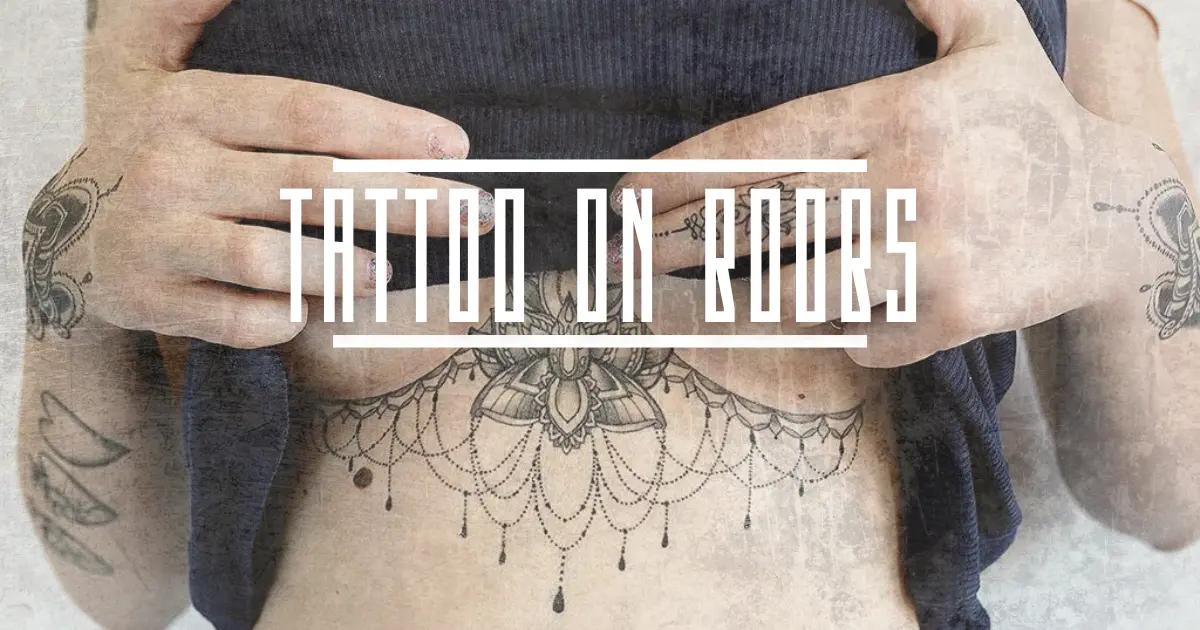
A breast tattoo is one of the most intimate and personal forms of body art, offering a unique canvas for self-expression that remains private or visible depending on your choice. Whether you’re considering an elegant sternum tattoo, a delicate under boob tattoo, or a bold full chest piece, this placement has surged in popularity among women seeking meaningful designs that celebrate femininity, strength, or personal milestones. The chest tattoo for women has evolved from a taboo to a celebrated art form, with countless design possibilities that work harmoniously with the natural curves and contours of the breast area. This comprehensive guide covers everything you need to know about getting a breast tattoo—from design inspiration and placement strategies to honest discussions about pain levels, breast tattoo healing, and breast tattoo aftercare that ensures your ink heals beautifully in this sensitive area.
Why Choose a Breast Tattoo? Popularity, Symbolism and Personal Expression
The decision to get a breast tattoo often carries deeper significance than tattoos in more visible locations. For many women, this placement represents reclaiming ownership of their bodies, celebrating femininity on their own terms, or marking transformative life experiences. The breast area offers a private canvas that can be revealed selectively, giving you complete control over who sees your body art and when.
Breast tattoos have gained mainstream acceptance partly due to celebrity influence and social media visibility, but their appeal goes far beyond trends. This placement allows for designs that flow naturally with the body’s curves, creating artwork that feels integrated rather than simply applied to the skin. Upper breast tattoos for females can peek elegantly from necklines, while in between breast tattoos for females remain completely private unless you choose to reveal them.
The symbolism behind breast placement varies widely. Some women choose this location to honor their journey through breast cancer or mastectomy, transforming scars into beautiful art. Others select breast tattoos for females with meaning that represent motherhood, fertility, or feminine power. The proximity to the heart makes this area particularly meaningful for memorial tattoos, love-related designs, or symbols representing core values and beliefs.
From a practical standpoint, breast tattoos offer excellent concealment options for professional environments while still allowing for creative, extensive designs. Unlike arm or leg tattoos that may be visible in business attire, chest pieces can be completely hidden under clothing, making them ideal for those who need to maintain a conservative appearance at work but want significant body art.
Best Tattoo Designs for Breast Placement: Florals, Mandalas, Under-Boob, Sternum and Side-Boob
Choosing the right design for a breast tattoo requires consideration of how artwork will interact with the body’s natural curves and movement. The most successful designs complement rather than fight against the breast’s shape, creating visual harmony that enhances your natural form.
Floral Breast Tattoo Designs
Floral designs remain the most popular choice for breast tattoo ideas, and for good reason. Flowers naturally lend themselves to curved placements, with petals and stems that can flow organically across the chest. Roses represent classic beauty and passion, while lotus flowers symbolize spiritual growth and rebirth. Peonies convey prosperity and romance, making them excellent choices for upper breast tattoos for females with meaning. Cherry blossoms work beautifully for delicate, feminine designs, while sunflowers create bold, optimistic statements.
The versatility of floral designs allows them to work across all breast tattoo placements—from simple upper breast tattoos for females featuring a single bloom to elaborate full chest pieces incorporating multiple flower varieties, leaves, and decorative elements. Watercolor techniques add softness and artistic flair, while traditional bold-line florals create striking, timeless pieces.
Mandala and Geometric Breast Tattoos
Mandala designs have become increasingly popular for sternum tattoo placements, with their symmetrical patterns creating stunning visual impact centered on the chest. These intricate circular designs represent wholeness, unity, and balance, making them meaningful choices beyond their aesthetic appeal. The geometric precision of mandalas works particularly well for in between breast tattoos for females, as the symmetry naturally complements the body’s bilateral structure.
Geometric patterns can range from simple full breast tattoo designs featuring clean lines and minimal shading to complex sacred geometry incorporating dotwork, stippling, and ornamental details. These designs often extend from the sternum outward, creating a decorative breastplate effect that’s both powerful and feminine.
Under Boob Tattoo Designs
The under boob tattoo has emerged as one of the most sought-after placements, offering a seductive, hidden location that follows the natural curve beneath the breast. This placement works exceptionally well for script, quotes, delicate chains, lace patterns, and horizontal floral arrangements. The curved line created by the breast’s underside provides a natural guideline for design flow.
Popular under boob tattoo designs include ornamental jewelry-inspired pieces that mimic the appearance of decorative chains or pendants, botanical illustrations featuring trailing vines or branches, and meaningful phrases in elegant script fonts. The placement allows for designs that can be completely concealed under a bra or revealed with crop tops and swimwear.
Sternum and Between-Breast Designs
Tattoo between breast placements create dramatic, centered focal points that draw the eye to the décolletage. These designs typically feature vertical orientation, extending from just below the collarbone down the sternum. Popular choices include ornamental designs with chandelier-like elements, religious symbols, animals (particularly birds, snakes, or butterflies), and floral arrangements with central stems.
The tattoo between breast meaning often relates to protection, as this placement sits directly over the heart and vital organs. Many women choose guardian symbols, protective deities, or meaningful quotes in this location. The vertical canvas allows for elongated designs that can create the illusion of length and elegance.
Side Boob and Rib Extension Tattoos
Side breast tattoos that extend onto the ribs offer extensive canvas space for larger, more elaborate designs. These placements work beautifully for nature scenes, animals in motion, flowing florals that wrap around the torso, and abstract art that utilizes the body’s contours. The side placement allows for designs that can be partially visible or completely hidden depending on clothing choices.
Full Breast Coverage Designs
Full breast tattoo designs for ladies represent the most committed approach, covering significant portions of the chest with cohesive artwork. These pieces often incorporate multiple elements—florals, geometric patterns, animals, and ornamental details—unified by consistent style and color palette. Full coverage designs require multiple sessions and significant investment but create truly unique, personalized body art.
For those seeking unique full breast tattoo designs for ladies, consider combining traditional imagery with personal symbols, incorporating negative space for visual interest, or working with an artist to create completely custom compositions that tell your personal story.
Breast Tattoo Placement Guide: Where Exactly to Get Inked
Understanding the specific placement options for a breast tattoo helps you choose the location that best suits your design vision, pain tolerance, and lifestyle considerations. Each placement area offers distinct advantages and challenges.
Upper Breast and Collarbone Area
Upper breast tattoos for females sit on the upper chest above the breast tissue, often extending toward the collarbone and shoulders. This placement experiences less movement and stretching than lower areas, making it ideal for detailed work that needs to maintain crisp lines over time. The flatter surface of the upper chest provides an excellent canvas for text, small symbols, or designs that frame the décolletage.
This area is particularly popular for upper breast tattoos for females name designs, memorial pieces, or meaningful words and phrases. The placement allows tattoos to be visible in lower-cut tops while remaining professional enough for most work environments when covered by standard necklines.
Sternum and Center Chest
The sternum offers a vertical canvas directly between the breasts, perfect for elongated designs that create visual impact. This placement sits over bone rather than soft tissue, which affects both pain levels and healing. Sternum tattoo designs benefit from the body’s natural symmetry, with the spine providing a central guideline for balanced compositions.
When planning a sternum piece, consider how the design will interact with bra placement—center-gore positioning can affect visibility and healing. Many artists recommend designs that either sit above typical bra lines or extend low enough to remain below them.
Under Breast Curve
The under boob tattoo placement follows the natural curve where breast tissue meets the ribcage. This location offers excellent concealment under bras and most clothing while creating an intimate, sensual placement. The curved line provides natural guidance for design flow, particularly for horizontal elements like script, chains, or floral arrangements.
This placement requires careful consideration of breast size and shape, as the curve’s position and prominence vary significantly between individuals. Your tattoo artist should assess your specific anatomy to ensure the design will sit properly and age well with your body’s natural contours.
Side Breast and Rib Extension
Side breast placements offer extensive space for larger designs that can wrap from the front of the chest around toward the back ribs. This area allows for creative compositions that utilize the body’s three-dimensional form, creating artwork that reveals itself from different angles.
The side breast area transitions from softer breast tissue to the firmer rib area, creating varied texture that affects both tattooing process and healing. Designs should account for this transition, often using it as a natural division point between design elements.
Full Chest Coverage
Full chest pieces incorporate multiple placement areas into cohesive designs that may cover the entire chest from collarbones to under-breast area and from shoulder to shoulder. These ambitious projects require careful planning to ensure design elements work harmoniously across different tissue types and contours.
Simple full breast tattoo designs for females might focus on symmetrical patterns or mirrored elements, while more complex pieces create asymmetrical compositions that balance visual weight across the chest. Full coverage requires multiple sessions and significant time investment but creates truly spectacular results.
Pain Level: What to Expect When Getting a Chest Tattoo
Honesty about pain is essential when considering a breast tattoo, as this area includes some of the most sensitive zones on the body. Pain levels vary significantly based on specific placement, individual pain tolerance, and design complexity, but understanding what to expect helps you prepare mentally and physically for the experience.
The chest tattoo for women pain experience differs across placement areas. The sternum, sitting directly over bone with minimal fat padding, typically ranks as the most painful breast tattoo location. The vibration of the tattoo machine transfers directly through the bone, creating an intense, reverberating sensation that many describe as more uncomfortable than traditional sharp pain. Sessions on the sternum often require more frequent breaks.
The upper chest and collarbone area also sits close to bone, creating similar vibration-based discomfort. However, many people find this area slightly more tolerable than the sternum, particularly if there’s some muscle mass providing cushioning. The proximity to the throat can create unusual sensations, and some people experience referred sensations in their teeth or jaw during upper chest work.
Under boob tattoo pain levels depend significantly on breast size and where the design sits relative to the ribcage. The area where soft breast tissue meets ribs can be particularly sensitive, as can the ribs themselves if the design extends downward. The skin in this area is often thinner and more sensitive than other body parts, and the proximity to the ribs means you’ll feel the bone vibration combined with the sensitivity of the breast area.
Side breast tattoos that extend onto the ribs are often cited as among the most painful tattoo placements overall. The ribs offer minimal cushioning, and the skin stretches with every breath, creating a challenging tattooing surface. Many people find the pain intensifies as sessions progress, as the area becomes increasingly sensitized.
Directly on breast tissue, pain levels vary based on tissue density and hormonal factors. Some women find this area surprisingly tolerable, while others find it extremely sensitive. Hormonal fluctuations throughout the menstrual cycle can affect breast sensitivity, so timing your appointment for when your breasts are least tender can improve the experience.
Several factors influence your individual pain experience with a breast tattoo. Body composition matters—more body fat generally provides more cushioning, while leaner physiques may experience more intense bone-related sensations. Your menstrual cycle affects breast sensitivity, with many women reporting increased tenderness during the week before menstruation. Anxiety and tension amplify pain perception, so relaxation techniques and mental preparation significantly impact your experience.
To manage pain during your breast tattoo session, communicate openly with your artist about your comfort level and take breaks as needed. Deep, controlled breathing helps manage pain and prevents hyperventilation. Some artists allow clients to use numbing creams for particularly sensitive areas, though these can affect ink absorption and should only be used with your artist’s approval. Avoid alcohol and blood-thinning medications before your appointment, as these increase bleeding and can intensify pain.
Plan for a more challenging experience than tattoos on fleshier areas like arms or thighs, but remember that pain is temporary while your artwork is permanent. Most people find the discomfort entirely manageable and well worth the beautiful results.
Choosing the Right Tattoo Artist for Intimate Placement
Selecting an artist for a breast tattoo requires additional considerations beyond technical skill. You need someone who not only excels at the artistic aspects but also creates a comfortable, professional environment for intimate body work. The right artist makes the difference between an empowering experience and an uncomfortable one.
Start by researching artists who specialize in chest and breast tattoos, particularly those with extensive portfolios showing breast tattoo ideas similar to your vision. Look for artists experienced with female anatomy who understand how designs interact with breast contours and how to position artwork that will age gracefully with body changes. Review their portfolio specifically for chest pieces on body types similar to yours, as this demonstrates their ability to work with your specific anatomy.
Technical expertise matters enormously for breast placements. Look for artists skilled in the style you want—whether that’s fine-line work, bold traditional, watercolor, or ornamental designs. Sternum tattoo work requires particular precision due to the prominent placement and symmetry expectations. Artists should demonstrate consistent line work, smooth shading, and proper understanding of how ink settles in different tissue types.
Professional boundaries and comfort are paramount when getting a breast tattoo. During consultations, assess whether the artist makes you feel respected and comfortable discussing intimate placement. They should explain exactly how they’ll position you, what areas they’ll need to touch, and offer options for draping or coverage of areas not being tattooed. Many artists allow you to bring a support person to appointments, which can increase comfort levels.
Red flags to avoid include artists who make inappropriate comments about your body, seem uncomfortable working on breast placements, rush through consultation without addressing your concerns, or dismiss questions about positioning and draping. Trust your instincts—if something feels off during consultation, find another artist.
Ask specific questions during your consultation: How many breast tattoos have they completed? Can they show healed photos of chest pieces, not just fresh work? How do they handle client comfort and privacy during sessions? What’s their approach to working around breast tissue and ensuring symmetry? How do they account for body changes like weight fluctuation or pregnancy in their designs?
For in between breast tattoos for females or sternum tattoo placements requiring precise symmetry, ask how they ensure balanced placement. Experienced artists use careful measurement, stencil positioning, and may photograph placement from multiple angles before beginning work.
Gender preference is personal—some women prefer female artists for breast tattoos, while others are comfortable with any gender provided the artist is professional and skilled. What matters most is your comfort level and the artist’s expertise with the specific placement and style you want.
Don’t compromise on artist selection to save money or get an earlier appointment. Breast tattoo placements are highly visible (when you choose to show them) and permanent, making artist selection one of the most important decisions in your tattoo journey. Invest time in finding someone whose work you love and who makes you feel completely comfortable with the intimate nature of the placement.
Breast Tattoo Healing Timeline: Week-by-Week Guide
Understanding the breast tattoo healing process helps you prepare for aftercare and know what to expect as your new ink settles. Breast tattoos present unique healing challenges due to the area’s sensitivity, movement with breathing, and friction from clothing and bras. The healing timeline follows general tattoo healing patterns but with specific considerations for chest placement.
Days 1-3: Initial Healing Phase
Immediately after getting your breast tattoo, the area will feel similar to a sunburn—hot, tender, and sensitive to touch. Your artist will apply a protective bandage or wrap, which should remain in place for the time period they specify, typically 2-24 hours depending on the bandage type. Modern breathable bandages like Saniderm can stay on for several days, while traditional wraps should be removed within a few hours.
During the first three days, expect oozing of plasma, ink, and blood, which is completely normal. The tattooed area will be swollen and may feel tight, particularly for sternum tattoo placements where breathing creates constant movement. Redness extends beyond the tattooed area, and you may see ink staining on bandages or clothing. This is the most uncomfortable phase of breast tattoo healing, with soreness that may make sleeping challenging.
After removing the initial bandage, gently wash the tattoo with lukewarm water and fragrance-free antibacterial soap. Pat dry with clean paper towels—never rub. Apply a thin layer of recommended aftercare ointment. The area needs to breathe, so avoid tight bras or clothing that creates friction.
Days 4-7: Peeling Begins
Around day four, your breast tattoo will begin peeling, similar to sunburn peeling. This is a critical phase where proper breast tattoo aftercare prevents damage to your healing ink. The skin will feel tight and itchy as new skin forms beneath the peeling layer. You’ll see flakes of skin containing ink coming off—this is normal and doesn’t mean you’re losing your tattoo.
Never pick, scratch, or pull at peeling skin, as this can remove ink and create scarring. The itching can be intense, particularly for under boob tattoo placements where bra bands create additional irritation. Continue washing twice daily and applying thin layers of fragrance-free moisturizer or recommended aftercare product. The tattoo will look dull and cloudy during this phase—this is temporary.
Weeks 2-3: Surface Healing Completion
By week two, most surface peeling completes, though some areas may continue flaking. The tattoo appears healed on the surface but is still healing in deeper skin layers. The area may still feel slightly tender, and colors will look less vibrant than when fresh—this is normal as the top layer of new skin is still somewhat thick.
You can typically resume wearing normal bras during this phase, though soft, wireless options remain more comfortable than underwire styles. For upper breast tattoos for females, necklines and straps may still cause some irritation. Continue moisturizing regularly, but you can reduce frequency from multiple times daily to once or twice daily.
Weeks 4-6: Deep Healing Phase
During weeks four through six, deep skin layers continue healing even though the surface appears healed. Your breast tattoo will begin showing its true colors as the new skin layer thins and settles. Some areas may experience minor scabbing or raised texture—continue moisturizing and avoid picking.
Most normal activities can resume, including exercise, though excessive sweating should still be minimized. Swimming should wait until at least week six to prevent infection and ink loss. The tattoo is still vulnerable to sun damage, so continue protecting it from UV exposure.
Months 2-3: Full Healing and Settling
Complete breast tattoo healing takes two to three months, at which point the ink has fully settled into the skin and colors have reached their final appearance. Any touch-ups needed become apparent during this phase—some areas may have healed lighter or lost detail, which is normal and easily addressed by your artist.
At this point, your tattoo is fully healed and requires only normal skin care—moisturizing and sun protection. The artwork should look vibrant and clear, with all details visible. If you notice any areas that seem faded or patchy, schedule a touch-up appointment with your artist.
For those concerned about medication interactions during healing, it’s worth noting that certain medications can affect the tattooing and healing process. While questions like “Can I get a tattoo on Mounjaro?” or “Can I get a tattoo while on doxycycline?” are common, these should be discussed directly with your tattoo artist and healthcare provider, as medications can affect bleeding, healing, and infection risk. Similarly, those with conditions like Crohn’s disease should consult their doctor before getting tattooed, as autoimmune conditions can complicate healing.
Aftercare Tips for Breast Tattoos: Bra Considerations, Sleeping Position and Products
Proper breast tattoo aftercare determines how well your ink heals and how vibrant it remains long-term. The breast area presents unique aftercare challenges that require specific strategies beyond standard tattoo care protocols.
Bra Selection and Management
Bra considerations are among the most important aspects of breast tattoo aftercare. For the first few days, going braless is ideal if possible, allowing the tattoo to breathe and avoiding friction. When you must wear a bra, choose soft, wireless styles made from breathable cotton or bamboo fabrics. Sports bras work well for upper breast tattoos for females, providing support without underwire pressure.
For under boob tattoo placements, the bra band sits directly on fresh ink, creating significant challenges. Consider wearing bras one size larger than normal to reduce pressure, or use bralettes that sit higher or lower than the tattooed area. Some women find that applying a non-stick pad between the tattoo and bra band prevents friction while protecting the healing ink.
Sternum tattoo aftercare requires attention to center-gore placement on bras. The small piece of fabric between cups can rub directly on sternum ink, causing irritation and potential ink loss. Wireless bralettes or bras with wide-set cups minimize this contact. Avoid push-up bras or heavily structured styles until healing completes, as these create pressure and friction that interfere with healing.
Clean bras daily during the healing period, as bacteria buildup can cause infection. Use fragrance-free detergent and ensure bras are completely dry before wearing. If a bra becomes stuck to your healing tattoo due to plasma or ointment, wet it with lukewarm water before gently removing it—never pull stuck fabric away dry.
Sleeping Position Strategies
Sleep position significantly impacts breast tattoo healing. Sleeping on your stomach or side can put pressure on chest tattoos, causing ink migration, prolonged healing, and discomfort. Back sleeping is ideal for all breast tattoo placements, though this can be challenging if you’re not naturally a back sleeper.
Use pillows strategically to maintain back sleeping position—place pillows on either side of your body to prevent rolling, and consider a pillow under your knees to reduce lower back strain. For side boob tattoos, if you must sleep on your side, sleep on the opposite side and use a body pillow to prevent rolling onto the tattooed side.
Wear loose, soft clothing to bed—oversized t-shirts made from breathable cotton work well. Avoid tight tank tops or anything that creates pressure on the tattooed area. Some women find that placing a clean, soft towel over their pillow prevents ink transfer and protects healing tattoos if they do roll during sleep.
Recommended Aftercare Products
Product selection matters enormously for breast tattoo aftercare. Use fragrance-free, hypoallergenic products specifically designed for sensitive skin or tattoo healing. Popular options include Aquaphor Healing Ointment for the first few days, then transition to fragrance-free lotions like Lubriderm, Aveeno, or Eucerin for ongoing moisturizing.
Specialized tattoo aftercare products like Hustle Butter, After Inked, or Mad Rabbit work well but aren’t necessary—simple, fragrance-free products are equally effective and often less expensive. Avoid petroleum jelly (Vaseline), as it’s too occlusive and can draw ink out of the skin. Never use products containing alcohol, fragrances, or harsh chemicals.
For cleaning, use gentle antibacterial soap like Dial Gold (fragrance-free), Cetaphil, or any mild, fragrance-free cleanser. Avoid exfoliating soaps, loofahs, or washcloths on healing tattoos—use only clean hands for washing.
Activity Restrictions During Healing
Limit activities that cause excessive sweating for the first two weeks of breast tattoo healing. Sweat contains bacteria and salt that can irritate healing skin and potentially cause infection. Light walking is fine, but avoid intense cardio, hot yoga, or activities that cause heavy perspiration.
Swimming must wait until the tattoo is fully healed—typically six weeks minimum. Pool chlorine, ocean salt, and bacteria in natural water bodies can damage healing tattoos and cause serious infections. Similarly, avoid hot tubs, saunas, and long baths. Quick showers are fine, but don’t let water stream directly onto the fresh tattoo.
Sun exposure should be avoided completely during healing and minimized long-term. UV rays fade tattoo ink and can cause scarring on healing skin. Once healed, always apply high-SPF sunscreen to your breast tattoo when it will be exposed to sun—this preserves color vibrancy and prevents premature aging of the artwork.
Signs of Infection or Complications
While most breast tattoo healing proceeds without complications, knowing infection warning signs is crucial. Seek medical attention if you experience: increasing pain after the first few days, red streaks extending from the tattoo, excessive swelling that worsens rather than improves, pus or green/yellow discharge, fever or chills, or foul odor from the tattoo.
Some redness, swelling, and clear fluid discharge is normal during the first week. However, symptoms that worsen rather than improve, or that appear after initial improvement, may indicate infection requiring medical treatment.
Will Breast Tattoos Stretch? Pregnancy, Weight Changes and Aging
One of the most common concerns about getting a breast tattoo is how it will hold up through life changes. Understanding how pregnancy, weight fluctuations, and aging affect chest tattoos helps you make informed decisions about timing, placement, and design.
Breast Tattoos and Pregnancy
Pregnancy causes significant breast changes that can affect breast tattoo appearance. During pregnancy and breastfeeding, breasts typically increase one to three cup sizes, stretching the skin and potentially distorting tattoo designs. The degree of distortion depends on several factors: the amount of breast growth, skin elasticity, tattoo placement, and design characteristics.
Upper breast tattoos for females generally experience less distortion than tattoos on the breast tissue itself, as the upper chest area above the breast doesn’t stretch as dramatically. Sternum tattoo placements remain relatively stable, though the space between breasts may narrow as breast size increases. Under boob tattoo designs may shift position as breasts grow and change shape, potentially moving higher or lower on the torso.
Tattoos directly on breast tissue are most vulnerable to stretching. Fine-line work, intricate details, and text may blur or distort with significant breast growth. Bold designs with strong outlines typically hold up better than delicate work. Organic designs like florals often adapt better to stretching than geometric patterns requiring precise symmetry.
After pregnancy and breastfeeding, breasts typically return to near their pre-pregnancy size, though shape may change. Tattoos often return to approximately their original appearance, though some permanent stretching or slight distortion may remain. Many women find that post-pregnancy changes are minimal and don’t significantly impact their breast tattoo appearance.
If you’re planning pregnancy in the near future, consider waiting until after you’ve completed your family to get breast tattoos, or choose placements and designs less vulnerable to stretching. If you already have breast tattoos and become pregnant, proper skin care—moisturizing regularly and maintaining gradual, healthy weight gain—can minimize stretching effects.
Breastfeeding Considerations
A common question is whether breast tattoos affect the ability to breastfeed. The answer is no—tattoos do not impact milk production or safety for breastfeeding. Tattoo ink sits in the dermis layer of skin, well above milk ducts and glands. There’s no evidence that tattoo ink enters breast milk or poses any risk to nursing infants.
However, you should avoid getting tattooed while pregnant or breastfeeding due to infection risk and the body’s compromised immune response during these periods. Wait until you’ve finished breastfeeding before getting new breast tattoos or touch-ups.
Nipple and areola tattoos require special consideration for breastfeeding plans. While decorative tattoos near but not on the nipple don’t affect breastfeeding, tattoos directly on the nipple or areola could potentially cause scarring that impacts milk flow. If you plan to breastfeed, discuss placement carefully with your artist to avoid the nipple area.
Weight Changes and Breast Tattoos
Weight fluctuations affect breast tattoo appearance similarly to pregnancy, though typically to a lesser degree. Significant weight gain stretches breast tissue and skin, potentially distorting tattoo designs. Weight loss can cause skin loosening and breast deflation, which may make tattoos appear slightly wrinkled or shifted.
Gradual, moderate weight changes (10-20 pounds) typically don’t significantly impact breast tattoo appearance. More dramatic changes (50+ pounds) are more likely to cause noticeable distortion. As with pregnancy, placement matters—upper chest and sternum tattoos remain more stable than tattoos on breast tissue itself.
If you’re currently losing or gaining significant weight, consider waiting until your weight stabilizes before getting a breast tattoo. This ensures your tattoo is placed and sized for your stable body, reducing the likelihood of distortion.
Aging and Long-Term Breast Tattoo Appearance
Natural aging affects all tattoos, but breast tattoos face specific age-related changes. As skin loses elasticity with age, breasts naturally descend and change shape. This gradual process can shift tattoo position and slightly distort designs over decades.
Sun exposure is the primary factor in tattoo aging and fading. Breast tattoos have an advantage here—they’re typically covered by clothing, protecting them from UV damage that fades exposed tattoos. Upper breast tattoos for females that peek from necklines may experience more sun exposure and thus more fading than completely covered placements.
Proper long-term care preserves breast tattoo appearance through aging. Moisturize regularly to maintain skin elasticity, protect from sun exposure with clothing or high-SPF sunscreen, and maintain stable weight when possible. Touch-ups every 10-15 years can refresh colors and restore any details that have softened with time.
Many women find that their breast tattoos age beautifully, developing a softer, more integrated appearance that feels like a natural part of their body rather than something applied to it. Choosing timeless designs over trendy ones and working with skilled artists who understand proper ink depth and saturation ensures your tattoo looks beautiful for decades.
Celebrity Breast Tattoos: Inspiration from Rihanna, Halsey and More
Celebrity breast tattoo choices have played a significant role in normalizing and popularizing chest tattoos for women. These high-profile examples provide inspiration while demonstrating the versatility and beauty of breast placement tattoos.
Rihanna's Iconic Chest Tattoo
Rihanna’s elaborate sternum tattoo is perhaps the most famous celebrity breast tattoo, featuring an intricate Egyptian-inspired design that extends from her chest down her torso. The detailed piece incorporates wings, geometric patterns, and ornamental elements in a symmetrical composition that perfectly complements her body. This tattoo demonstrates how in between breast tattoos for females can create stunning visual impact while remaining easily concealable under clothing.
Rihanna’s chest piece showcases the dramatic effect of centered, symmetrical designs and has inspired countless women to explore similar ornamental and goddess-inspired breast tattoo ideas. The placement and scale of her tattoo prove that bold, extensive chest pieces can be both feminine and powerful.
Halsey's Meaningful Chest Ink
Halsey sports multiple chest tattoos, including script on her collarbone and symbolic imagery across her upper chest. Her collection of upper breast tattoos for females demonstrates how layered, accumulated pieces can create a cohesive aesthetic over time. Halsey has been open about the personal meaning behind her tattoos, using her chest as a canvas for self-expression and storytelling.
Her approach shows that you don’t need to commit to a single large piece—building a collection of smaller, meaningful tattoos can be equally impactful. Her visible chest tattoos challenge traditional beauty standards while maintaining her feminine aesthetic.
Kehlani's Artistic Chest Pieces
Singer Kehlani features extensive chest tattooing, including floral designs, script, and symbolic imagery that flows across her upper chest and shoulders. Her chest tattoo for women collection demonstrates how multiple elements can work together to create a unified aesthetic. The organic, flowing nature of her designs shows how breast tattoos can enhance rather than hide the body’s natural curves.
Miley Cyrus's Delicate Under-Breast Tattoo
Miley Cyrus has a delicate under boob tattoo featuring script that follows the curve beneath her breast. This placement demonstrates the subtle, intimate nature of under-breast tattoos and how they can remain completely private or be revealed selectively. Her choice of meaningful text in this hidden location represents the personal, private nature many women seek in breast tattoo placement.
Cara Delevingne's Bold Side Piece
Model and actress Cara Delevingne features a large “Don’t Worry, Be Happy” text tattoo along her side that extends onto her breast area. This placement shows how side and breast tattoos can work together to create extended canvas space for larger messages or designs. Her bold choice demonstrates confidence in permanent body art in a highly visible profession.
Other Notable Celebrity Breast Tattoos
Numerous other celebrities sport breast tattoos that inspire design ideas. Lady Gaga has a delicate rose tattoo on her shoulder that extends toward her upper chest. Angelina Jolie famously had coordinates tattooed on her upper chest representing meaningful locations. Scarlett Johansson features a back piece that extends around to her side breast area, demonstrating how chest tattoos can integrate with larger body art projects.
These celebrity examples prove that breast tattoos are compatible with professional success, public visibility, and feminine beauty standards. They demonstrate the range of possibilities—from delicate and hidden to bold and visible—and show how chest tattoos can be both personally meaningful and aesthetically beautiful.
Breast Tattoo Cost: What to Budget For
Understanding the financial investment required for a breast tattoo helps you budget appropriately and avoid choosing artists based solely on price, which often leads to disappointing results. Breast tattoo costs vary widely based on multiple factors, but quality work in this intimate, visible placement is worth the investment.
Factors Affecting Breast Tattoo Pricing
Artist experience and reputation significantly impact pricing. Established artists with extensive portfolios of chest work typically charge $150-300+ per hour, while less experienced artists may charge $80-150 per hour. For breast tattoo work specifically, paying for experience is worthwhile—skilled artists understand breast anatomy, proper placement, and techniques that ensure your tattoo ages well.
Design complexity and size directly affect cost. Simple upper breast tattoos for females featuring minimal linework or small symbols might take 1-2 hours and cost $200-500. Medium-sized pieces like detailed florals or ornamental designs typically require 3-5 hours and cost $500-1,500. Large, elaborate full breast tattoo designs for ladies can require multiple sessions totaling 10-20+ hours, with costs ranging from $2,000-6,000 or more.
Geographic location affects pricing substantially. Major metropolitan areas like New York, Los Angeles, or London command higher rates than smaller cities or rural areas. However, location shouldn’t be the primary factor in artist selection—traveling to a skilled artist is often worthwhile for permanent body art.
Color versus black-and-gray work affects both time and cost. Color tattoos typically take longer and cost more due to the additional complexity of color blending, shading, and the need for multiple passes to achieve saturation. Black-and-gray work can be equally stunning and often costs slightly less.
Typical Price Ranges by Design Type
For small in between breast tattoos for females featuring simple symbols, script, or minimal designs, expect to pay $200-600. These pieces typically take 1-3 hours and work well for first-time chest tattoos or those wanting subtle, meaningful ink.
Sternum tattoo pieces of medium size with ornamental or mandala designs typically cost $600-1,500, requiring 3-6 hours of work. The precision required for centered, symmetrical designs justifies the investment in skilled artists.
Under boob tattoo designs following the breast curve generally cost $400-1,200 depending on length and detail level. Script pieces may be on the lower end, while detailed floral or ornamental designs cost more.
Large, elaborate breast tattoo ideas covering significant chest area or incorporating multiple elements can cost $2,000-6,000+. These pieces often require multiple sessions spaced weeks apart, with payment typically split across sessions.
Additional Costs to Consider
Beyond the tattoo itself, budget for aftercare products ($20-50), including specialized soap, moisturizer, and potentially healing bandages. Touch-ups are often included within the first year but may incur charges afterward—typically 50-100% of the original hourly rate depending on the extent of work needed.
If you’re traveling to your artist, factor in transportation, accommodation, and meals. For multi-session pieces, these costs multiply. However, investing in the right artist produces better results than settling for a local artist whose work doesn’t inspire confidence.
Custom design fees may apply for completely original artwork, though many artists include design time in their overall pricing. Discuss this during consultation to avoid surprises.
Payment and Tipping
Most tattoo artists require deposits (typically $50-200) when booking appointments, which apply toward your final cost. Deposits are usually non-refundable, so book only when you’re committed to the appointment.
Tipping is customary in tattoo culture, with 15-20% being standard for good service. For multi-session pieces, you can tip at the end of each session or provide a larger tip at completion. Quality breast tattoo aftercare advice, professional demeanor, and beautiful work deserve appropriate compensation.
While cost is a consideration, remember that breast tattoos are permanent investments in your body and self-expression. Choosing artists based on portfolio quality and comfort level rather than lowest price ensures you’ll love your tattoo for decades rather than regretting a budget decision.
Making Your Breast Tattoo Decision
Choosing to get a breast tattoo is a deeply personal decision that combines aesthetic preferences, symbolic meaning, and practical considerations. This intimate placement offers unique opportunities for self-expression, whether you’re drawn to delicate upper breast tattoos for females, dramatic sternum tattoo designs, or sensual under boob tattoo placements.
The key to a successful breast tattoo experience lies in thorough research and careful planning. Take time to explore breast tattoo ideas that resonate with your personal style and meaning. Consider how different placements work with your body shape and lifestyle. Choose an experienced artist who specializes in chest work and makes you feel completely comfortable with the intimate nature of the placement.
Understanding the realities of pain, healing, and long-term changes helps set appropriate expectations. While breast tattoo healing requires diligent breast tattoo aftercare and some temporary lifestyle adjustments, the process is entirely manageable with proper preparation. The concerns about stretching, pregnancy, and aging are valid but shouldn’t necessarily deter you—with thoughtful design choices and placement, breast tattoos can remain beautiful through life’s changes.
Celebrity inspiration from figures like Rihanna and Halsey demonstrates that breast tattoos are increasingly normalized and celebrated. However, your tattoo should ultimately reflect your personal journey, values, and aesthetic preferences rather than following trends. Whether you choose simple full breast tattoo designs or elaborate, unique full breast tattoo designs for ladies, the most important factor is that the artwork feels authentically yours.
Financial investment in quality work pays dividends in long-term satisfaction. While breast tattoos can be significant expenses, the permanent nature of body art makes this an area where quality should never be compromised for cost savings. A beautiful, well-executed breast tattoo becomes a cherished part of your identity and self-expression.
For those wondering about the most feminine tattoo placements, breast tattoos certainly rank among the most intimate and traditionally feminine locations, though femininity is ultimately defined by individual preference rather than placement conventions. The privacy and selectivity of breast tattoos—your choice when and to whom you reveal them—adds to their appeal for many women seeking body art that feels personal and empowering.
As you move forward with your breast tattoo journey, trust your instincts, communicate openly with your chosen artist, and embrace the transformative experience of claiming your body as a canvas for meaningful art. The combination of beautiful design, skilled execution, and proper care creates body art that enhances your confidence and celebrates your unique story for years to come.
Frequently Asked Questions
Is a breast tattoo painful?
Yes, a breast tattoo can be moderately to significantly painful depending on the exact placement. Areas directly over the sternum and ribs tend to be the most painful due to proximity to bone and nerve endings, while the fleshier parts of the breast are generally more tolerable. Pain levels vary by individual pain tolerance, tattoo size, and session length, but most people describe it as manageable with breaks and proper breathing techniques.
How long does a breast tattoo take to heal?
A breast tattoo typically takes 2-3 weeks for the surface layer to heal and 3-6 months for complete internal healing. The initial healing phase involves peeling, itching, and scabbing, which requires careful aftercare to prevent infection and color loss. Factors like tattoo size, your immune system, and how well you follow aftercare instructions can affect the healing timeline.
Can I wear a bra after getting a breast tattoo?
You should avoid wearing a regular bra for at least 2-3 days after getting a breast tattoo, or longer if the tattoo placement makes contact with the bra. Once you resume wearing one, choose a soft, clean, cotton bra without underwire to minimize friction and irritation. Some people prefer sports bras or going braless during the initial healing period to allow the tattoo to breathe and heal properly.
How to care for a breast tattoo?
Caring for a breast tattoo involves keeping it clean, moisturized, and protected from friction. Wash the area 2-3 times daily with fragrance-free antibacterial soap, pat dry gently, and apply a thin layer of tattoo-specific ointment or unscented lotion. Avoid tight clothing, underwire bras, sleeping on your stomach, submerging in water, and sun exposure for at least 2-3 weeks to ensure optimal healing and color retention.
What is the most feminine spot for a breast tattoo?
The most feminine spots for a breast tattoo include the sternum (between the breasts), under boob area, and the upper chest near the collarbone. These placements beautifully accentuate natural curves and can be easily concealed or revealed depending on clothing choices. Delicate designs like florals, mandalas, or fine-line art in these areas are particularly popular among women seeking elegant, feminine body art.
Do areola tattoos look realistic?
Yes, areola tattoos can look remarkably realistic when performed by a skilled medical tattoo artist specializing in 3D nipple-areola reconstruction. These tattoos use advanced shading techniques and custom color matching to create the appearance of natural dimension and texture. Areola tattooing is commonly used after breast reconstruction surgery and has helped thousands of women regain confidence in their appearance.
What are the best breast tattoo designs for women?
The best breast tattoo designs for women include sternum mandalas, floral under boob pieces, delicate script between the breasts, ornamental chest pieces, and nature-inspired motifs like butterflies or vines. Popular choices also include celestial designs (moons, stars), geometric patterns, and meaningful quotes that follow the natural contours of the chest. The ideal design depends on your personal style, the level of visibility you want, and whether you prefer bold statement pieces or subtle, intimate art.
Can I get a breast tattoo if I'm planning to breastfeed?
Yes, you can get a breast tattoo if you plan to breastfeed in the future, but it’s best to wait until after you’re done nursing. Tattoos on the breast tissue itself don’t typically affect milk production or safety, but tattoos on or very near the nipple and areola should be avoided as they could potentially interfere with breastfeeding. Always consult with both your tattoo artist and healthcare provider to determine the safest placement and timing for your specific situation.
How much does a breast tattoo typically cost?
A breast tattoo typically costs between $150-$500 for small to medium designs, while larger, more detailed pieces can range from $500-$2,000 or more. Pricing depends on the artist’s experience, geographic location, design complexity, size, and whether it requires multiple sessions. Intricate sternum pieces or full chest coverage will be at the higher end of the price range, and it’s customary to tip your artist 15-20% for quality work.
Will a breast tattoo stretch or change with weight fluctuations?
Yes, a breast tattoo can stretch, distort, or fade with significant weight gain, weight loss, pregnancy, or aging. The breast area is particularly susceptible to changes in size and shape, which can affect the appearance of your tattoo over time. To minimize distortion, consider waiting until your weight is stable, you’ve completed having children, or choosing placements less affected by breast tissue changes, such as the sternum or upper chest near the collarbone.
You May Also Like
Semicolon Tattoo Meaning: Complete Guide to Symbolism & Ideas

Henna Tattoo Guide: Designs, Safety, Aftercare & Meaning