How to Infuse Honey with CBD: Easy Recipe & Dosage Guide

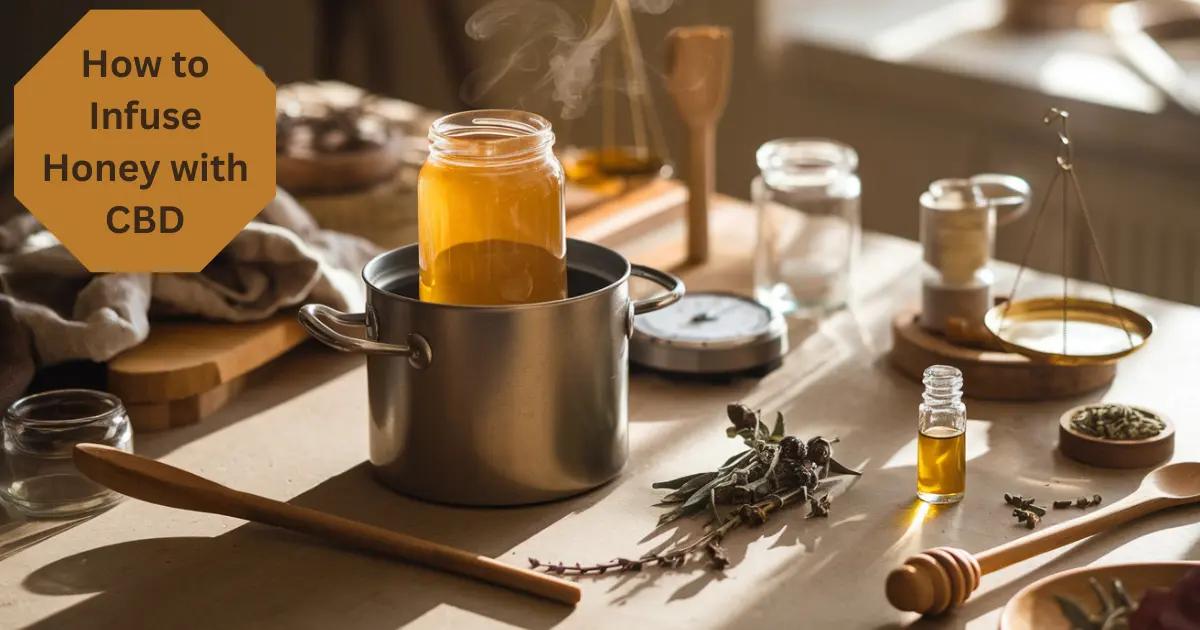
Learning how to infuse honey with CBD is one of the most practical and cost-effective ways to incorporate cannabidiol into your daily wellness routine. If you’ve priced CBD-infused honey at dispensaries or specialty stores, you know it can cost anywhere from $25 to $60 for a small jar—often with dosages and flavors that don’t match your preferences. By making CBD honey at home, you gain complete control over potency, save significant money, and create a versatile wellness product that works for everything from morning tea to bedtime relaxation. This comprehensive guide walks you through the entire process, from selecting quality ingredients to calculating precise dosages, ensuring you create professional-quality CBD honey in your own kitchen.
Why Make Your Own CBD Honey? (Cost Comparison & Benefits)
The financial advantage of making homemade CBD honey becomes immediately apparent when you break down the numbers. A typical 8-ounce jar of commercial CBD honey containing 500mg of CBD costs between $40 and $55. When you make it yourself, you’ll spend approximately $15-20 for the same quantity and potency—that’s a savings of 60-70%. If you use CBD honey regularly, these savings compound quickly, potentially saving you hundreds of dollars annually.
Beyond cost savings, creating your own CBD infused honey DIY offers unmatched customization. Commercial products come in fixed dosages, typically ranging from 10mg to 25mg per serving. When you make your own, you can tailor the concentration to your specific needs—whether that’s a microdose of 5mg for daily wellness or a stronger 50mg dose for sleep support. You also control the honey variety, choosing from raw wildflower, manuka, clover, or buckwheat honey based on your taste preferences and the additional health benefits each variety offers.
Quality assurance represents another significant advantage. When you select your own CBD isolate or full-spectrum CBD oil and organic honey, you know exactly what’s going into your final product. Many commercial CBD honey products contain additives, preservatives, or lower-quality honey that diminishes the therapeutic benefits. Your homemade version contains only pure, high-quality ingredients you’ve personally vetted.
The versatility of CBD honey makes it an ideal delivery method for cannabidiol. Unlike CBD oils that have an earthy, sometimes unpleasant taste, honey naturally masks the hemp flavor while providing its own antimicrobial and antioxidant properties. This makes it perfect for people who struggle with the taste of traditional CBD tinctures. Additionally, honey’s natural sugars help with CBD absorption, potentially improving bioavailability compared to taking CBD isolate alone.
What You'll Need: Ingredients and Equipment
The beauty of this CBD honey recipe lies in its simplicity—you need only a few basic ingredients and tools you likely already have in your kitchen. Gathering everything before you start ensures a smooth, efficient process without interruptions.
Essential Ingredients
CBD Source: You have two primary options—CBD isolate powder or CBD oil (full-spectrum or broad-spectrum). CBD isolate is pure cannabidiol in crystalline form, containing 99% CBD with no other cannabinoids, terpenes, or THC. This option provides the most precise dosage control and is ideal if you want to avoid even trace amounts of THC. Full-spectrum or broad-spectrum CBD oil contains additional beneficial compounds that may enhance effectiveness through the entourage effect, but dosage calculations become slightly more complex since you’re working with a liquid rather than a powder.
Honey: Choose high-quality, preferably raw and organic honey. Raw honey retains more beneficial enzymes, antioxidants, and nutrients than processed honey. The variety you select impacts both flavor and additional health benefits. Wildflower honey offers a robust, complex flavor profile. Manuka honey from New Zealand provides exceptional antimicrobial properties. Clover honey delivers a mild, sweet taste that works well if you’re sensitive to strong flavors. For sleep-focused CBD honey, consider buckwheat honey, which contains higher levels of antioxidants and has a deeper, molasses-like flavor. You’ll need 8-16 ounces depending on how much you want to make—starting with 8 ounces is recommended for your first batch.
Required Equipment
You’ll need a double boiler or a heat-safe bowl that fits over a saucepan for gentle, even heating. Direct heat can degrade both CBD and honey’s beneficial properties, so the indirect heat method is essential. A digital thermometer ensures you maintain the optimal temperature range of 95-110°F (35-43°C)—hot enough to facilitate mixing but cool enough to preserve the honey’s enzymes and CBD’s potency. A silicone spatula or wooden spoon works best for stirring, as metal utensils can react with honey. Finally, prepare clean, airtight glass jars for storage—amber or dark glass protects CBD from light degradation, extending shelf life.
Optional Additions for Enhanced Benefits
While not necessary, several additions can enhance your infused honey flavors and therapeutic properties. Coconut oil (1-2 teaspoons per 8 ounces of honey) increases CBD bioavailability since cannabidiol is fat-soluble. This creates what’s sometimes called “CannaHoney with coconut oil” and may improve absorption rates. Vanilla extract, cinnamon, or lavender add pleasant flavors while contributing their own wellness benefits. For orange infused honey with CBD, add organic orange zest during the warming process—citrus terpenes complement CBD’s effects and create an uplifting flavor profile perfect for morning use.
How to Infuse Honey with CBD: Step-by-Step Instructions
This straightforward process takes approximately 20-30 minutes of active time, though you’ll want to allow the mixture to cool and settle before storing. Following these steps carefully ensures even CBD distribution and preserves the beneficial properties of both ingredients.
Step 1: Prepare Your Workspace and Ingredients
Set up your double boiler by filling the bottom pot with 1-2 inches of water. Ensure the water level won’t touch the bottom of the top pot or bowl when assembled. Measure your honey—8 ounces is an ideal starting quantity for beginners. If using CBD isolate powder, measure your desired total CBD content (we’ll cover dosage calculations in the next section). For CBD oil, have your dropper or syringe ready for precise measurement. Bring all ingredients to room temperature, as cold honey is more viscous and harder to work with.
Step 2: Gently Warm the Honey
Place your honey in the top portion of the double boiler. Heat the water in the bottom pot over low to medium-low heat until it reaches a gentle simmer—you want steam, not a rolling boil. Insert your thermometer into the honey and monitor the temperature carefully. Your goal is to reach and maintain 95-110°F (35-43°C). This temperature range is crucial: too cool and the CBD won’t incorporate properly; too hot and you’ll degrade the honey’s beneficial enzymes and potentially reduce CBD potency. This warming process typically takes 5-10 minutes depending on your starting temperature and quantity.
Step 3: Add CBD and Mix Thoroughly
Once your honey reaches the target temperature, remove it from heat (keep the water warm in case you need to reheat). If using CBD isolate powder, sprinkle it evenly over the honey’s surface. If using CBD oil, add it drop by drop, distributing it across the honey rather than dumping it all in one spot. Begin stirring slowly and deliberately with your silicone spatula, using a folding motion to incorporate the CBD from the bottom up. This process requires patience—continue stirring for 5-7 minutes to ensure complete integration. CBD isolate crystals should fully dissolve, leaving no visible particles. With CBD oil, you’re creating an emulsion, so thorough mixing is essential for even distribution.
Step 4: Optional Coconut Oil Addition
If you’re adding coconut oil to improve bioavailability, now is the time. Add 1-2 teaspoons of melted coconut oil (organic, virgin coconut oil works best) to your CBD-honey mixture. Stir vigorously for another 2-3 minutes. The coconut oil won’t fully incorporate—honey and oil naturally separate—but the constant presence of fat molecules throughout the honey will enhance CBD absorption when consumed. Some people prefer this method for CBD honey for sleep, as the added fats may promote better absorption of the calming cannabinoid.
Step 5: Final Temperature Check and Infusion
If your mixture has cooled below 95°F during the stirring process, return it to the double boiler for 2-3 minutes to bring it back to temperature. Once at 95-110°F again, remove from heat and continue stirring for another 3-5 minutes. This final mixing period ensures any remaining CBD particles fully dissolve and distribute evenly throughout the honey. The mixture should appear uniform with no visible separation or crystallization.
Step 6: Transfer and Store
While the honey is still slightly warm and more fluid, carefully transfer it to your prepared glass storage jars using a funnel if needed. Fill jars to within half an inch of the top to allow for any expansion. Wipe the jar rims clean with a damp cloth before sealing—honey residue on the rim can prevent an airtight seal. Label each jar with the date, total CBD content, and approximate CBD per teaspoon (we’ll calculate this in the next section). Allow the honey to cool to room temperature before refrigerating or storing in a cool, dark place.
How to Calculate Your CBD Dosage in Honey
Accurate CBD honey dosage calculation is essential for consistent, effective results. Unlike commercial products with dosing printed on the label, your homemade version requires some simple math to determine how much CBD you’re consuming per serving.
Basic Dosage Formula
The fundamental calculation is straightforward: Total CBD (in mg) ÷ Total Volume (in teaspoons) = CBD per teaspoon. An 8-ounce jar of honey contains approximately 48 teaspoons. If you add 500mg of CBD isolate to 8 ounces of honey, your calculation is: 500mg ÷ 48 teaspoons = 10.4mg CBD per teaspoon. This means each teaspoon delivers roughly 10mg of CBD, and a tablespoon (3 teaspoons) provides about 31mg.
Determining Your Ideal Dosage
CBD dosing is highly individual, depending on factors including body weight, metabolism, the condition you’re addressing, and your endocannabinoid system’s sensitivity. General guidelines suggest starting with 5-10mg once or twice daily for general wellness and stress management. For sleep support, many people find 20-40mg taken 30-60 minutes before bed effective. Those addressing chronic discomfort or inflammation may use 25-50mg or more, divided throughout the day. Always start with the lowest effective dose and increase gradually over several days, monitoring effects.
For those wondering does CBD help with cortisol, research suggests CBD may help regulate cortisol levels, particularly stress-induced spikes. A moderate dose of 15-25mg taken in the morning may support healthy cortisol patterns throughout the day. Similarly, people asking will CBD help with MS should note that while research is ongoing, some studies indicate CBD may help manage certain MS symptoms like muscle spasticity and pain, typically at higher doses (20-50mg or more) under medical supervision.
Adjusting Concentration for Different Needs
You can customize your CBD honey concentration based on intended use. For a microdose version ideal for daily wellness, create a 250mg per 8-ounce batch, yielding approximately 5mg per teaspoon. For moderate therapeutic use, 500-750mg per 8 ounces (10-15mg per teaspoon) works well. For stronger sleep or discomfort support, consider 1000mg per 8 ounces (about 21mg per teaspoon). Some people even create ultra-concentrated versions similar to CBD Honey Sticks 1,000mg by using smaller honey volumes with higher CBD content.
Accounting for CBD Oil vs. Isolate
When using CBD oil rather than isolate, remember that the oil contains carrier oils (typically MCT, hemp seed, or olive oil) in addition to CBD. A 1000mg CBD oil bottle contains 1000mg of CBD total, but the liquid volume is much larger than pure isolate. Check your product label for CBD concentration per milliliter. If your oil contains 33mg CBD per mL (a common concentration), you’ll need approximately 15mL to add 500mg CBD to your honey. The added carrier oil volume is minimal enough that it won’t significantly affect your per-teaspoon calculations, though it may slightly alter the honey’s consistency.
Storage Tips: How Long Does CBD Honey Last?
Proper storage significantly extends your CBD infused honey DIY product’s shelf life while maintaining potency and preventing contamination. Understanding the factors that affect CBD and honey stability helps you maximize your investment.
Optimal Storage Conditions
Store your CBD honey in airtight glass containers in a cool, dark location. A pantry or cupboard away from the stove works perfectly. Ideal storage temperature ranges from 50-70°F (10-21°C). While refrigeration isn’t necessary and can cause honey to crystallize more quickly, it won’t harm the product if you prefer cold honey. The most critical factor is protecting your honey from light exposure, as UV rays degrade CBD over time. This is why amber or dark-colored glass jars are preferable to clear containers.
Expected Shelf Life
Pure honey is remarkably stable—archaeologists have found edible honey in ancient Egyptian tombs. However, CBD has a more limited shelf life. Properly stored CBD honey maintains full potency for 6-12 months. After this period, CBD gradually degrades, though the honey itself remains safe to consume. The rate of degradation depends on storage conditions: honey kept in ideal conditions (cool, dark, airtight) retains potency longer than honey exposed to heat, light, or air. If you’ve added coconut oil, the shelf life may be slightly shorter (6-9 months) due to the oil’s potential for rancidity, though this is rare with virgin coconut oil.
Signs of Degradation
Monitor your CBD honey for changes that indicate reduced quality. Crystallization is normal and doesn’t affect CBD potency—simply warm the jar in a water bath to reliquefy. However, if you notice off odors (sour, fermented, or rancid smells), unusual color changes beyond normal darkening, or visible mold growth, discard the product. CBD degradation isn’t always visible, but if your honey loses effectiveness over time, the CBD has likely broken down. To maximize potency, consider making smaller batches more frequently rather than large batches that sit for extended periods.
Preventing Contamination
Always use clean, dry utensils when scooping honey from the jar. Introducing moisture or food particles can promote bacterial growth or fermentation, even though honey’s low water content and acidic pH naturally resist contamination. Never double-dip utensils that have touched your mouth or other foods. Some people prefer storing CBD honey in squeeze bottles for more hygienic dispensing, though this makes dosage measurement less precise. If you notice any bubbling or foaming, which indicates fermentation, discontinue use.
How to Use Your CBD-Infused Honey
One of the greatest advantages of making CBD honey at home is its versatility. Unlike CBD oils that work best sublingually, CBD honey integrates seamlessly into numerous foods and beverages while delivering consistent dosing.
Direct Consumption and Sublingual Use
The simplest method is taking your measured dose directly from a spoon, allowing it to dissolve slowly in your mouth. This sublingual approach enables some CBD absorption through the mucous membranes under your tongue, potentially providing faster effects than swallowing immediately. Hold the honey under your tongue for 60-90 seconds before swallowing for optimal absorption. This method works particularly well for CBD honey for sleep—take your dose 30-60 minutes before bed as part of your nighttime routine.
Beverages and Teas
CBD honey dissolves beautifully in hot beverages, making it perfect for morning coffee, afternoon tea, or evening herbal infusions. Add your measured dose to chamomile or lavender tea for enhanced relaxation, or stir it into green tea for focused calm during work hours. The honey’s natural sweetness eliminates the need for additional sweeteners. For cold beverages, warm the honey slightly first or mix it with a small amount of hot water before adding to iced tea, lemonade, or smoothies. Some people create a morning wellness ritual with CBD honey in warm lemon water, combining CBD’s potential benefits with vitamin C and hydration.
Culinary Applications
Use CBD honey anywhere you’d use regular honey, keeping in mind that high heat can degrade CBD. It’s perfect as a toast or biscuit spread, drizzled over yogurt or oatmeal, or mixed into salad dressings and marinades. For best infused honey recipes, try combining CBD honey with almond butter for a therapeutic spread, or use it to glaze roasted vegetables or baked salmon (add after cooking to preserve CBD). It also works wonderfully in no-bake desserts like energy balls, chia pudding, or frozen yogurt bark.
Topical Applications
While primarily intended for consumption, CBD honey can be used in DIY face masks or spot treatments for blemishes. Honey’s natural antibacterial properties combined with CBD’s potential anti-inflammatory effects create a soothing topical treatment. Mix a teaspoon of CBD honey with a teaspoon of plain yogurt and apply to clean skin for 10-15 minutes before rinsing. This works well for occasional use, though dedicated topical CBD products are more effective for targeted skin concerns.
Special Considerations for Pets
Many people search for CBD honey for dogs, and homemade CBD honey can be used for pets with important caveats. Dogs metabolize CBD differently than humans, typically requiring lower doses based on weight (0.2-0.5mg per pound is a common starting point). However, never use CBD products containing THC for pets, as THC is toxic to dogs. Ensure your CBD source is THC-free isolate or broad-spectrum. Additionally, while honey is safe for dogs in moderation, it’s high in sugar, so use sparingly. Consult your veterinarian before giving CBD to pets, especially if they take medications.
Common Mistakes to Avoid When Making CBD Honey
Even with a simple recipe, several common errors can result in uneven dosing, reduced potency, or wasted ingredients. Learning from these mistakes ensures your first batch turns out perfectly.
Overheating the Mixture
The most frequent mistake is using too much heat. Temperatures above 120°F begin degrading honey’s beneficial enzymes, and sustained heat above 140°F can damage CBD’s molecular structure, reducing its effectiveness. Some people mistakenly think they need to bring honey to a boil or use direct heat for faster results. This destroys the very properties that make both ingredients valuable. Always use a double boiler and thermometer, and exercise patience. The low-and-slow approach preserves quality and ensures you’re not wasting expensive CBD on a degraded product.
Insufficient Mixing
CBD doesn’t naturally dissolve in honey without proper agitation and warmth. Simply stirring CBD into room-temperature honey for a minute or two results in uneven distribution—some portions of your honey will be CBD-rich while others contain almost none. This creates inconsistent dosing, which defeats the purpose of making your own. Commit to thorough mixing for at least 5-7 minutes, ensuring you’re scraping the bottom and sides of your container where CBD can settle. The mixture should appear completely uniform with no visible particles or separation.
Using Low-Quality Ingredients
Your final product is only as good as your starting materials. Purchasing cheap, processed honey or questionable CBD from unverified sources compromises both safety and effectiveness. Always choose CBD products with third-party lab testing (Certificates of Analysis) confirming potency and purity. These COAs verify the CBD content matches the label and confirm the absence of contaminants like heavy metals, pesticides, and excessive THC. For honey, raw and organic varieties retain more beneficial compounds than heavily processed alternatives. While quality ingredients cost more upfront, they ensure your homemade product rivals or exceeds commercial best CBD honey options.
Incorrect Dosage Calculations
Math errors when calculating CBD per serving can lead to taking too much or too little, affecting both effectiveness and safety. Double-check your calculations, and consider labeling your jar with both total CBD content and approximate CBD per teaspoon. If you’re uncertain about your math, use online CBD dosage calculators designed for homemade products. Remember that teaspoon measurements can vary slightly depending on how you fill the spoon, so consistency in measuring technique matters for consistent dosing.
Improper Storage Leading to Degradation
Even perfectly made CBD honey loses potency if stored incorrectly. Leaving your jar on a sunny windowsill or near the stove exposes it to the two main enemies of CBD stability: light and heat. Similarly, using a jar with a poor seal allows air exposure, which oxidizes CBD over time. Invest in quality amber glass jars with tight-fitting lids, and store them in a cool, dark location. If you’re making large batches, consider dividing the honey into smaller jars, keeping one in regular use while storing the others in optimal conditions.
Adding CBD to Hot Honey
Some people make the mistake of heating honey to a high temperature first, then adding CBD. By the time the honey cools to a safe temperature for CBD, it’s often too thick to mix properly, resulting in clumping and uneven distribution. Always add CBD when the honey is at the optimal 95-110°F range, and maintain that temperature throughout the mixing process. If the honey cools too much during mixing, briefly return it to the double boiler rather than continuing to stir cold, viscous honey.
Comparing Homemade vs. Commercial CBD Honey
Understanding how your homemade product compares to commercial options helps you appreciate the value you’re creating and make informed decisions about when to DIY versus when to purchase ready-made products.
Quality and Purity
Commercial CBD honey varies dramatically in quality. Premium brands like those you might find when searching for CBD honey near me use high-quality, lab-tested CBD and organic honey, but they command premium prices ($50-80 for 8 ounces). Mid-range products ($25-40) may use lower-quality honey or CBD with less rigorous testing. Budget options often contain minimal CBD, synthetic additives, or haven’t been third-party tested. When you make your own, you control every ingredient, potentially creating a product that rivals the best commercial options at a fraction of the cost.
Dosage Flexibility
Commercial products typically come in fixed concentrations—commonly 10mg, 15mg, or 25mg CBD per serving. This works well if those doses match your needs, but creates challenges if you need 7mg or 35mg. Your homemade version offers complete flexibility. You can create different batches at different strengths for different times of day (a lighter morning dose, a stronger evening dose), or adjust concentration as your needs change over time. This customization is particularly valuable for people who are still determining their optimal CBD dosage.
Flavor and Variety Options
While some commercial brands offer interesting flavor combinations, most stick to basic honey varieties. Making your own opens up endless possibilities for infused honey ideas. Create lavender CBD honey for bedtime, ginger CBD honey for morning energy, or cinnamon CBD honey for blood sugar support. You can experiment with rare honey varieties like tupelo, sourwood, or eucalyptus that commercial CBD honey makers rarely use. This creative freedom lets you design products tailored to your specific taste preferences and wellness goals.
Cost Analysis Over Time
The initial investment in quality CBD isolate or oil might seem significant, but the per-dose cost of homemade CBD honey is substantially lower than commercial products. If you use CBD honey daily, a $40 jar of commercial product containing 500mg CBD (about 16 days at 30mg per day) costs $2.50 per day. Making the same amount at home costs approximately $0.60-0.80 per day—a savings of $1.70 daily or about $620 annually. These savings increase if you buy CBD in bulk or make larger batches.
When Commercial Products Make Sense
Despite the advantages of homemade CBD honey, commercial products have their place. If you’re traveling, pre-portioned CBD honey sticks 10mg offer convenience and precise dosing without carrying jars. For gifts, professionally packaged CBD honey has more visual appeal than homemade versions. If you’re trying CBD honey for the first time and unsure whether you’ll like it, buying a small commercial jar lets you test the concept before investing in ingredients. Additionally, some specialty products like RSO infused honey recipe variations or full-spectrum cannabis honey (where legal) require expertise beyond basic CBD infusion.
Understanding Cannabis-Infused Honey Benefits Beyond CBD
While this guide focuses on CBD honey, understanding the broader category of cannabis-infused honey benefits provides context for your homemade product’s potential effects and helps you make informed decisions about ingredients.
The Entourage Effect
Full-spectrum CBD oil contains not just CBD but also other cannabinoids (CBG, CBN, trace THC where legal), terpenes, and flavonoids from the hemp plant. These compounds work synergistically in what’s called the entourage effect, potentially enhancing CBD’s benefits. If you use full-spectrum CBD oil rather than isolate in your honey recipe, you’re creating a product closer to whole-plant cannabis honey (though without significant THC). Some research suggests this combination may be more effective than CBD alone for certain applications, though isolate remains the best choice for those who must avoid all THC.
Honey's Complementary Properties
Raw honey brings its own impressive health benefits that complement CBD’s effects. It contains antioxidants that combat oxidative stress, antibacterial compounds that support immune function, and prebiotic properties that promote gut health. Honey also has a low glycemic index compared to refined sugar and contains trace minerals like zinc, iron, and potassium. When combined with CBD’s potential anti-inflammatory and anxiolytic properties, you create a synergistic wellness product greater than the sum of its parts.
Specific Therapeutic Applications
People researching is CBD good for CPTSD should know that while CBD isn’t a cure for Complex PTSD, some research and anecdotal reports suggest it may help manage certain symptoms like anxiety, hypervigilance, and sleep disturbances. The calming ritual of taking CBD honey in evening tea may provide additional benefit through routine and self-care. Similarly, those asking can CBD reduce CRP (C-reactive protein, an inflammation marker) should note that preliminary research indicates CBD has anti-inflammatory properties, though more human studies are needed to confirm effects on specific biomarkers.
Bioavailability Considerations
CBD’s bioavailability—how much actually enters your bloodstream—varies by consumption method. Sublingual absorption (under the tongue) offers higher bioavailability than swallowing directly. Honey’s natural sugars and the optional addition of coconut oil may enhance absorption compared to taking CBD isolate alone. However, when you add CBD honey to hot beverages or food, you’re primarily using gastrointestinal absorption, which has lower bioavailability but longer-lasting effects. Understanding these differences helps you choose the best consumption method for your goals.
Scaling Your Recipe and Creating Variations
Once you’ve mastered the basic how to infuse honey with CBD technique, you can scale your recipe and create specialized variations for different needs and preferences.
Batch Size Adjustments
The recipe scales linearly—simply maintain the same CBD-to-honey ratio. For a larger 16-ounce batch with 1000mg CBD, you’ll have approximately 21mg per teaspoon. Smaller 4-ounce batches work well for testing new flavors or creating travel-sized portions. Remember that larger batches take longer to heat evenly and require more thorough stirring to ensure uniform CBD distribution. If making multiple pounds of honey, consider working in separate batches rather than one massive batch to maintain better temperature control and mixing consistency.
Seasonal and Flavored Variations
Create seasonal CBD honey varieties by adding complementary ingredients during the warming process. For fall, add a cinnamon stick and a few whole cloves, removing them before jarring. Winter versions might include fresh rosemary or thyme for immune support. Spring CBD honey benefits from lavender buds or rose petals, while summer versions shine with fresh mint or basil. These herb infused honey variations add therapeutic benefits beyond CBD—lavender for relaxation, rosemary for mental clarity, mint for digestive support.
Targeted Formulations
Design specific CBD honey formulations for different times of day or purposes. A morning energy honey might combine CBD with ginger and a touch of cayenne for metabolism support. An afternoon focus honey could include rosemary and lemon zest. Evening relaxation honey benefits from chamomile flowers or vanilla bean. For those specifically seeking CBD honey for sleep, consider adding a small amount of CBN (cannabinol, another cannabinoid known for sedative properties) if you can source it, along with sleep-supporting herbs like passionflower or valerian.
Combination Products
Advanced makers sometimes create combination products that blend CBD honey with other beneficial ingredients. A CBD honey-butter spread combines equal parts CBD honey and softened grass-fed butter for a rich, spreadable product with enhanced fat content for better CBD absorption. CBD honey syrup (honey thinned with a small amount of water) works well for cocktails or drizzling over pancakes. Some people even create CBD honey-based salad dressings by emulsifying the honey with olive oil, vinegar, and herbs.
Legal and Safety Considerations
Before making and using CBD honey, understanding the legal landscape and safety considerations ensures you’re operating within regulations and using the product responsibly.
CBD Legality
In the United States, hemp-derived CBD containing less than 0.3% THC is federally legal under the 2018 Farm Bill. However, state laws vary, and some states have additional restrictions. Always verify your state’s specific regulations before purchasing CBD or making CBD products. If you’re using full-spectrum CBD oil that contains trace THC, be aware that these trace amounts can accumulate with regular use and potentially show up on drug tests. For situations where any THC is problematic, stick with CBD isolate or broad-spectrum products that have had all THC removed.
Quality and Testing
Only use CBD products from reputable manufacturers that provide third-party lab testing results (Certificates of Analysis or COAs). These documents verify the CBD content, confirm THC levels are within legal limits, and test for contaminants including pesticides, heavy metals, residual solvents, and microbials. Reputable CBD companies make COAs easily accessible on their websites or provide them upon request. Never use CBD from unknown sources or products that can’t provide testing documentation—you’re ingesting this product, so purity and safety are paramount.
Drug Interactions
CBD can interact with certain medications by affecting how your liver metabolizes them, particularly drugs processed by the cytochrome P450 enzyme system. If you take prescription medications, especially blood thinners, antidepressants, or seizure medications, consult your healthcare provider before using CBD products. This is particularly important for people asking questions like will CBD help with MS who may already be taking disease-modifying therapies or symptom management medications.
Starting Safely
Even though CBD is generally well-tolerated, start with low doses and increase gradually. Common side effects, when they occur, are typically mild and include drowsiness, dry mouth, changes in appetite, or digestive upset. These effects are dose-dependent and usually resolve by reducing your intake. Keep a journal tracking your dosage, timing, and effects for the first few weeks to identify your optimal dose and any patterns in how CBD affects you.
Proper Labeling
Clearly label all homemade CBD honey with the date made, total CBD content, approximate CBD per serving, and a warning to keep away from children. Store it securely away from children and pets. While CBD isn’t intoxicating, children shouldn’t consume CBD products without medical supervision. If you’re making CBD honey for personal use, you’re generally fine, but selling homemade CBD products requires compliance with FDA regulations, state laws, and potentially licensing requirements.
Troubleshooting Common Issues
Even experienced makers occasionally encounter challenges when creating CBD honey. Understanding how to identify and resolve common issues ensures consistent results.
CBD Not Dissolving Completely
If you notice CBD isolate crystals remaining visible after mixing, your honey wasn’t warm enough or you didn’t stir long enough. Return the mixture to your double boiler, ensure it reaches 100-110°F, and continue stirring for another 5 minutes. CBD isolate should completely dissolve at this temperature with adequate agitation. If crystals persist, they may be impurities in lower-quality CBD isolate rather than actual CBD—another reason to use reputable sources.
Honey Crystallizing After Storage
Crystallization is a natural process in raw honey and doesn’t indicate a problem or affect CBD potency. To reliquefy, place the jar in a warm water bath (not boiling) until the crystals dissolve. Avoid microwaving, as this can create hot spots that degrade CBD and destroy honey’s beneficial enzymes. Some honey varieties crystallize faster than others—clover honey crystallizes quickly, while tupelo honey remains liquid longer. If crystallization bothers you, choose honey varieties known for staying liquid.
Separation or Layering
If you see separation with a lighter layer on top, this typically indicates insufficient mixing or the addition of too much coconut oil. While some separation is normal with oil additions, excessive layering means the CBD isn’t evenly distributed. Gently rewarm the honey and stir thoroughly for several minutes. For future batches, limit coconut oil to 1-2 teaspoons per 8 ounces of honey and ensure complete incorporation.
Inconsistent Effects
If you experience varying effects from the same batch, the CBD may not be evenly distributed. This results from insufficient mixing during preparation. Unfortunately, there’s no way to fix this in a finished product—you’ll need to consume the entire jar (effects will average out) and ensure more thorough mixing in your next batch. To test distribution, you can take samples from the top, middle, and bottom of the jar and compare effects, though this isn’t precise.
Unexpected Texture Changes
If your CBD honey becomes unusually thick, grainy, or develops an odd texture, this may result from temperature fluctuations during storage or the addition of ingredients that don’t blend well with honey. Store future batches in a location with stable temperature. If you added fresh herbs or fruit, ensure they were completely dry—moisture introduces the risk of fermentation. For how to infuse honey with fruit flavors, use dried fruit or citrus zest rather than fresh, juicy fruit.
Maximizing Your Investment: Tips for Long-Term Success
Making CBD honey at home is most cost-effective when you develop an efficient system and avoid common pitfalls that waste ingredients or time.
Buying CBD in Bulk
CBD isolate and oil are significantly cheaper per milligram when purchased in larger quantities. If you plan to make CBD honey regularly, buying 5-10 grams of CBD isolate at once (rather than 1 gram at a time) can reduce your per-gram cost by 30-50%. Store unused CBD isolate in an airtight container in a cool, dark place—properly stored, it remains potent for 1-2 years. This bulk buying strategy dramatically improves your cost savings compared to commercial products.
Seasonal Honey Purchasing
Raw, local honey is often cheaper when purchased directly from beekeepers during harvest season (late summer and fall in most regions). Buying a year’s supply of quality honey at harvest time can save 20-40% compared to retail prices. Store honey at room temperature in sealed containers—it doesn’t require refrigeration and has an indefinite shelf life when properly stored.
Creating a Production Routine
Rather than making single jars as needed, establish a routine where you make multiple jars at once. Once your double boiler is set up and you’re in production mode, making three or four jars takes only slightly longer than making one. This batch approach saves time and energy costs. Create different strengths or flavors simultaneously, giving you variety while maximizing efficiency.
Sharing Costs with Friends
If you have friends interested in CBD honey, consider pooling resources to buy ingredients in bulk and hosting a CBD honey-making session together. This social approach reduces individual costs, makes the process more enjoyable, and lets everyone benefit from bulk pricing. Just ensure everyone understands proper dosing and safety considerations.
Documenting Your Recipes
Keep detailed notes about each batch you make—CBD amount, honey variety, any additions, mixing time, and your impressions of the final product. This documentation helps you refine your technique, remember which variations you preferred, and troubleshoot any issues. Over time, you’ll develop your own optimized process and signature recipes that work perfectly for your needs.
Learning how to infuse honey with CBD empowers you to take control of your wellness routine while saving substantial money compared to commercial products. This simple process requires minimal equipment, basic ingredients, and just 30 minutes of your time to create a versatile, effective CBD delivery method you’ll use daily. Whether you’re seeking better sleep, stress management, or general wellness support, homemade CBD honey offers customizable dosing, superior quality control, and the satisfaction of creating your own therapeutic products. Start with a small batch using the straightforward method outlined here, and you’ll quickly discover why so many CBD users have made the switch from expensive store-bought options to cost-effective, personalized homemade CBD honey.
Frequently Asked Questions
How to make CBD infused honey?
To make CBD infused honey, gently heat raw honey in a double boiler to 95-110°F, add your desired amount of CBD oil or tincture, and stir thoroughly for 5-10 minutes to ensure even distribution. The key is maintaining low heat to preserve both the honey’s beneficial enzymes and the CBD’s potency. Once fully incorporated, transfer to a clean glass jar and store in a cool, dark place for up to 6 months.
What does CBD honey do to you?
CBD honey combines the therapeutic properties of cannabidiol with honey’s natural health benefits, potentially helping with relaxation, sleep quality, inflammation, and stress management. Most users report feeling calm and centered within 30-90 minutes of consumption, without the psychoactive effects associated with THC. The honey acts as a carrier that makes CBD more palatable and easier to incorporate into daily routines through tea, toast, or direct consumption.
How long does CBD honey take to kick in?
CBD honey typically takes 30 to 90 minutes to take effect when consumed orally, as it must pass through your digestive system before entering the bloodstream. The onset time can vary based on factors like your metabolism, whether you’ve eaten recently, and your individual body chemistry. For faster absorption, hold the honey under your tongue for 60-90 seconds before swallowing, which allows some CBD to absorb sublingually.
Does CBD honey work?
Yes, CBD honey works effectively when made with quality CBD oil and proper infusion techniques. The honey serves as an excellent carrier for CBD, helping with absorption while masking any hemp taste. Studies suggest CBD may help with anxiety, inflammation, and sleep issues, though individual results vary based on dosage, frequency of use, and personal body chemistry.
What is CBD honey?
CBD honey is natural honey infused with cannabidiol (CBD) extract, creating a wellness product that combines the therapeutic benefits of both ingredients. Unlike store-bought versions that can cost $25-$60 per jar, learning how to infuse honey with CBD at home allows you to customize potency and save money. It’s a non-psychoactive product that won’t get you high, making it suitable for daily wellness routines.
What should not be mixed with CBD?
CBD should not be mixed with certain medications including blood thinners, sedatives, and some antidepressants without consulting a healthcare provider, as it can affect how your body metabolizes these drugs. Avoid combining CBD with alcohol or other substances that cause drowsiness, as effects may be amplified. Always check with your doctor before adding CBD honey to your routine if you’re taking prescription medications like sertraline or other SSRIs.
How much CBD should I add to honey?
For beginners, start with 5-10mg of CBD per tablespoon of honey, which allows for easy dosage control and adjustment. A standard 8-ounce jar of honey contains about 16 tablespoons, so adding 150-300mg of total CBD creates a mild to moderate potency product. You can always increase the concentration based on your needs—some users prefer 15-25mg per tablespoon for stronger therapeutic effects.
Can I use CBD isolate or full-spectrum CBD for honey infusion?
Both CBD isolate and full-spectrum CBD work well for infusing honey, though they offer different benefits. Full-spectrum CBD contains additional cannabinoids and terpenes that may enhance effectiveness through the “entourage effect,” while CBD isolate is pure cannabidiol with no THC, making it ideal for those who need to avoid any trace amounts of THC. Oil-based CBD products infuse more easily than water-soluble versions due to honey’s composition.
How should I store CBD infused honey?
Store your CBD infused honey in an airtight glass jar in a cool, dark place away from direct sunlight and heat sources to maintain potency. Properly stored CBD honey can last 6-12 months, though the CBD potency may gradually decrease over time. Avoid refrigeration as it can cause honey to crystallize, though this doesn’t affect the CBD content—simply warm the jar gently in a water bath to reliquefy.
Is making CBD honey at home safe?
Yes, making CBD honey at home is safe when you use quality ingredients and proper temperature control. The key is keeping temperatures below 120°F to preserve both honey’s enzymes and CBD’s therapeutic compounds, as excessive heat can degrade cannabinoids. Always source your CBD from reputable suppliers with third-party lab testing to ensure purity and accurate potency labeling.
You May Also Like