
Demetris Fenwick: Gervonta Davis’ Brother Boxing Career

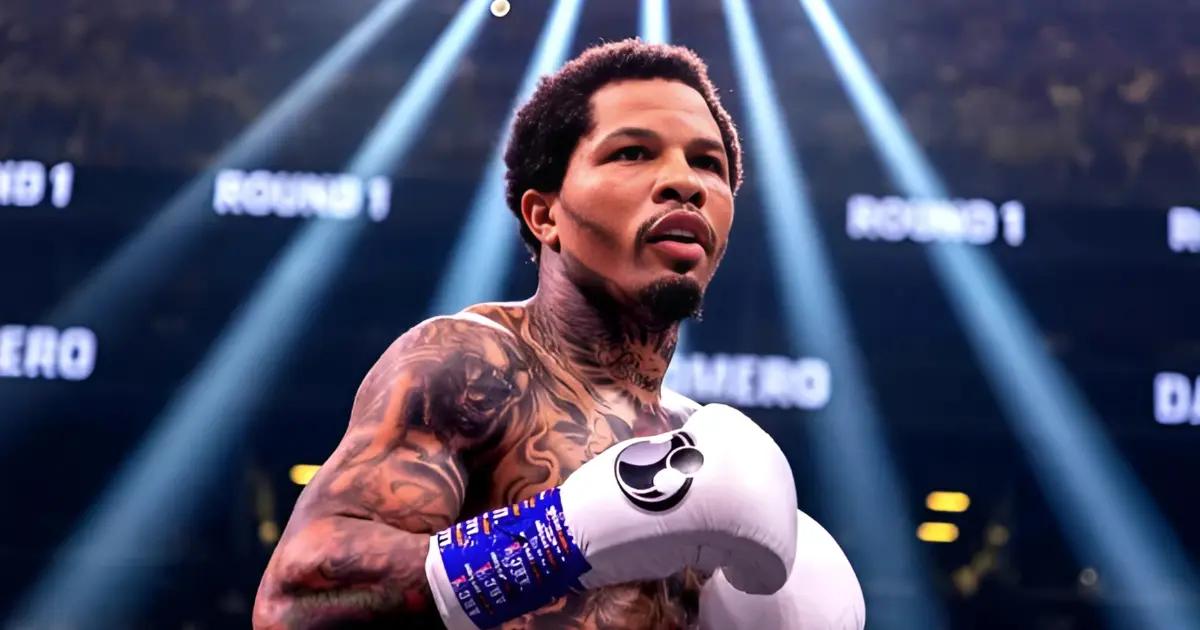
Demetris Fenwick is emerging as a notable name in professional boxing, largely recognized as the brother of world champion Gervonta “Tank” Davis. While the boxing world has watched Gervonta Davis dominate multiple weight classes with an impressive record and knockout power, attention is increasingly turning to his sibling who is carving out his own path in the sport. Demetris Fenwick represents a compelling story of family legacy, individual ambition, and the challenging journey of stepping out from a famous brother’s shadow to establish a distinct identity in the competitive world of professional boxing.
The relationship between the two fighters has sparked curiosity among boxing fans and sports enthusiasts who want to understand how this family connection influences both careers. As Demetris Fenwick continues to build his boxing record and gain experience in the ring, questions naturally arise about his potential, his fighting style, and whether he possesses the same explosive talent that made his brother a household name in combat sports.
Who Is Demetris Fenwick? Gervonta Davis' Brother Explained
Demetris Fenwick is a professional boxer who shares a familial bond with one of boxing’s biggest stars, Gervonta Davis. Born and raised in Baltimore, Maryland—the same city that produced his famous brother—Fenwick has been gradually making his mark in the boxing world. While specific details about Demetris Fenwick’s age remain somewhat private, he is believed to be close in age to Gervonta, who was born in 1994, placing Fenwick likely in his late twenties or early thirties.
Unlike his brother who achieved fame early in his career, Demetris Fenwick has taken a more measured approach to professional boxing. He doesn’t carry the same mainstream recognition that comes with being a multi-division world champion, but within Baltimore’s boxing community and among dedicated fight fans, his name is becoming increasingly familiar. Fenwick’s journey represents the reality that many siblings of famous athletes face—the challenge of building credibility while constantly being compared to a more accomplished family member.
The boxer’s physical attributes contribute to his fighting capabilities. Information about Demetris Fenwick’s height suggests he stands at approximately 5’7″ to 5’8″, which places him in a similar physical range as Gervonta Davis who stands at 5’5½”. This height range is typical for fighters competing in the lighter weight divisions where both speed and power can be maximized. Fenwick’s build and physical conditioning reflect the dedication required to compete at the professional level, even if he hasn’t yet reached the championship heights of his brother.
What distinguishes Demetris Fenwick from simply being “Gervonta Davis’ brother” is his genuine commitment to the sport. He’s not merely trading on his family name but actively training, competing, and working to develop his skills. Boxing insiders who have watched him train and fight note that he possesses legitimate boxing ability and the work ethic necessary to succeed in this demanding sport. His journey is still being written, and while he may never reach the superstar status of Tank Davis, he’s determined to create his own legacy in the ring.
The Family Connection: How Demetris Fenwick and Gervonta Davis Are Related
The question “Is Demetris Fenwick Gervonta Davis’ brother?” is one that frequently appears in boxing discussions and online searches. The answer is yes—Demetris Fenwick and Gervonta Davis are indeed brothers, though the specifics of their family relationship reflect the complex family dynamics that both fighters experienced growing up in Baltimore. They share a familial bond that has been shaped by their upbringing in a challenging urban environment where boxing became both an outlet and a pathway to better opportunities.
Gervonta Davis has been open about his difficult childhood, which included periods of instability and hardship. He was raised primarily by his uncle and spent time in foster care, experiences that shaped his fierce determination in the ring. Demetris Fenwick’s upbringing followed similar patterns, with both brothers navigating the challenges of growing up in West Baltimore, an area known for its socioeconomic struggles but also for producing tough, resilient fighters.
Some online searches reference “Demetris Fenwick twin,” which has led to confusion about whether the two are twins. To clarify, Demetris Fenwick and Gervonta Davis are not twins. They are brothers, but not identical or fraternal twins. This misconception likely stems from their close relationship and the fact that they both pursued boxing careers, leading some to assume they were born at the same time. The confusion is understandable given how intertwined their stories have become in boxing circles.
The brothers’ relationship extends beyond just shared genetics—they share a common understanding of where they came from and what boxing means as a vehicle for transformation. While Gervonta Davis achieved fame and financial success earlier, becoming one of boxing’s biggest pay-per-view attractions with a substantial net worth estimated in the tens of millions, Demetris Fenwick has maintained his own path. The family connection provides both advantages and challenges: Fenwick benefits from the association with a famous name, but he also faces constant comparisons and the pressure of living up to expectations set by his brother’s remarkable achievements.
Their relationship appears supportive rather than competitive. Gervonta Davis has acknowledged his family members on social media and in interviews, and while he keeps much of his personal life private—including details about Gervonta Davis’ kids and immediate family—the bond between the brothers remains an important part of both their stories. This family connection humanizes both fighters and adds depth to their individual narratives in the sport.
Demetris Fenwick's Boxing Record and Career Highlights
When examining Demetris Fenwick’s boxing record, it’s important to understand that he operates at a different level of the sport compared to his world-champion brother. While comprehensive, verified statistics about Demetris Fenwick’s record can be challenging to find through major boxing databases—a reality for many fighters competing at regional and developmental levels—available information suggests he has competed in professional and semi-professional bouts primarily within the Mid-Atlantic region.
Unlike Gervonta Davis, who boasts an impressive professional record with multiple world titles and an extraordinarily high knockout percentage, Demetris Fenwick is still building his resume. His fights have typically taken place on smaller cards, regional promotions, and developmental shows that serve as the proving grounds for up-and-coming boxers. These venues don’t generate the media coverage or statistical tracking that championship-level fights receive, which explains why detailed records aren’t as readily available through mainstream boxing resources.
What we do know about Fenwick’s career trajectory suggests he has approached boxing with seriousness and dedication. He has trained consistently, taken fights when opportunities arose, and worked to develop his skills against various levels of competition. The boxing record he’s building may not include world-title fights or pay-per-view main events, but every professional boxer must start somewhere, and the regional circuit is where most fighters learn their craft.
Career highlights for Demetris Fenwick are measured differently than they would be for a world champion. For a fighter at his level, highlights might include winning decisions against tough local opponents, showing improvement from fight to fight, demonstrating specific skills like defensive technique or combination punching, and building a reputation within the Baltimore boxing community. These accomplishments matter significantly in the development of a professional fighter, even if they don’t generate headlines.
The challenge in documenting Demetris Fenwick’s boxing record also reflects broader issues in boxing’s record-keeping systems. While major sanctioning bodies and databases like BoxRec track championship-level fighters meticulously, fighters competing at regional levels often have incomplete records or information that’s difficult to verify. This doesn’t diminish their efforts or accomplishments—it simply reflects the reality of how boxing’s infrastructure works at different levels of the sport.
Fighting Style: How Demetris Fenwick Compares to Gervonta Davis
Comparing the fighting styles of Demetris Fenwick and Gervonta Davis offers insight into both their individual approaches and what they may have learned from shared training environments. Gervonta “Tank” Davis is known for his explosive power, exceptional hand speed, and ability to end fights with single punches. His record speaks to his knockout ability, with the vast majority of his victories coming by way of stoppage. Tank combines patient stalking with sudden, devastating combinations that have made him one of boxing’s most feared punchers across multiple weight divisions.
Demetris Fenwick’s fighting style, while influenced by the same Baltimore boxing culture that shaped his brother, appears to be developing its own characteristics. Observers who have watched Fenwick fight note that he demonstrates solid fundamental boxing skills including proper stance, footwork, and defensive awareness. Unlike his brother’s aggressive, seek-and-destroy approach, Fenwick seems to employ a more measured style that emphasizes boxing technique over pure power.
This stylistic difference makes sense given their different career trajectories. Gervonta Davis was identified as a special talent early and was guided by legendary trainer Calvin Ford and later by Floyd Mayweather’s promotional team. This high-level guidance helped refine Tank’s natural gifts into a championship-caliber fighting style. Demetris Fenwick, working with different resources and at a different level of the sport, has had to develop his style through different circumstances, which naturally leads to different approaches in the ring.
Where similarities might exist is in their fundamental understanding of boxing principles. Both fighters come from the same Baltimore boxing gyms where fundamentals are emphasized—proper punching technique, defensive responsibility, and ring generalship. The Upton Boxing Center and similar Baltimore facilities have produced numerous quality fighters by instilling these core principles. Both Fenwick and Davis would have been exposed to these teachings, creating a foundation of shared boxing knowledge even if their applications differ.
The physical similarities between the brothers—both competing in lighter weight classes with similar height and reach characteristics—mean they face similar strategic considerations in the ring. However, Fenwick hasn’t demonstrated the same one-punch knockout power that has become Gervonta Davis’s signature. This doesn’t necessarily indicate inferior ability; many excellent boxers win through accumulation, ring intelligence, and technical superiority rather than devastating power. Fenwick appears to be developing as this type of fighter—one who wins through skill and consistency rather than spectacular knockouts.
Notable Fights and Victories in Demetris Fenwick's Career
Documenting the notable fights in Demetris Fenwick’s career requires understanding that “notable” means something different at various levels of professional boxing. While his brother Gervonta Davis has fought on major pay-per-view cards against world champions and top contenders, Fenwick’s significant moments have come on smaller stages but are no less meaningful to his development as a fighter.
The Demetris Fenwick fights that have taken place primarily occurred on regional boxing cards throughout Maryland, Virginia, Pennsylvania, and other Mid-Atlantic states. These events typically feature multiple bouts between developing professionals, prospects, and journeymen fighters who provide opposition for up-and-coming boxers. While these fights don’t generate the media attention of championship bouts, they serve crucial purposes in a fighter’s development—building experience, testing skills against different styles, and learning to perform under pressure.
Specific details about individual Demetris Fenwick fight results can be difficult to verify through mainstream boxing media, which tends to focus coverage on championship-level competition. However, the fact that Fenwick continues to be active in boxing circles and is discussed as a legitimate professional indicates he has achieved some level of success in his bouts. Fighters who consistently lose or show no promise typically fade from the sport quickly, so Fenwick’s continued presence suggests he’s winning fights or at minimum remaining competitive.
What constitutes a career victory for a fighter like Fenwick might include defeating a more experienced opponent, winning a decision in a closely contested bout, showing improved skills from previous performances, or competing effectively against fighters with winning records. These accomplishments build a fighter’s reputation within boxing’s regional circuits and can lead to better opportunities, including fights on more prominent cards or against higher-level opposition.
The Baltimore boxing community, which has produced numerous champions and contenders over the decades, serves as an important measuring stick for Fenwick’s progress. Earning respect from local trainers, promoters, and fellow fighters matters significantly in boxing culture. If Demetris Fenwick has achieved recognition within this community—and his continued activity suggests he has—then he’s accomplishing something meaningful regardless of whether casual fans know his name.
Looking forward, the most notable fight in Fenwick’s career may still be ahead of him. Many fighters develop slowly, gaining experience and improving over time before achieving their breakthrough moment. Whether Fenwick reaches that level remains to be seen, but his persistence in the sport indicates he believes that moment is possible.
Training and Boxing Background: Fenwick's Path to Professional Boxing
The boxing background of Demetris Fenwick is rooted in the same Baltimore environment that shaped his brother’s career. Baltimore has a rich boxing tradition, producing champions like Vincent Pettway, Hasim Rahman, and of course, Gervonta Davis. The city’s boxing gyms serve as community centers where young people can learn discipline, self-defense, and potentially find a path away from street life. This is the world where Fenwick developed his skills and learned what it means to be a fighter.
Like many Baltimore boxers, Fenwick likely started training at a young age, learning the basics of stance, footwork, and punching technique in local gyms. The Upton Boxing Center, where Gervonta Davis trained under Calvin Ford, represents the type of facility that has shaped generations of Baltimore fighters. Whether Fenwick trained at this specific gym or others in the area, he would have been exposed to the same fundamental approach to boxing that emphasizes technical soundness, defensive responsibility, and mental toughness.
The path from amateur boxing to professional competition involves numerous steps that casual fans often don’t see. Fighters typically compete in amateur tournaments, building records and gaining experience before deciding to turn professional. This amateur background provides crucial ring experience and helps fighters develop their styles in a lower-stakes environment. While specific details about Demetris Fenwick’s amateur career aren’t widely documented, his decision to pursue professional boxing suggests he achieved some level of success or showed enough promise to warrant taking that next step.
Training for professional boxing requires immense dedication. Fighters typically train six days a week, with sessions including roadwork, bag work, mitt work, sparring, and strength and conditioning. The physical demands are extraordinary, and the mental challenges—maintaining motivation, dealing with the fear that comes before fights, and handling both victory and defeat—are equally significant. That Fenwick has maintained his commitment to this grueling lifestyle demonstrates genuine passion for the sport.
The influence of having a world-champion brother likely impacts Fenwick’s training in complex ways. On one hand, he has access to insights about what it takes to reach the highest levels of boxing. He can observe his brother’s training methods, dietary discipline, and mental approach. On the other hand, the constant comparisons and the pressure of being associated with such a successful fighter could create psychological challenges that affect training and performance. How Fenwick navigates these dynamics says much about his character and determination.
Upcoming Fights: What's Next for Demetris Fenwick
Information about Demetris Fenwick’s upcoming fights and immediate career plans remains somewhat limited in mainstream boxing media, which is typical for fighters competing at regional levels. Unlike his brother, whose next fight generates significant media coverage and speculation—with searches for “Gervonta Davis next fight” consistently trending among boxing fans—Fenwick’s schedule doesn’t receive the same public attention. However, this doesn’t mean his career is stagnant or that opportunities aren’t developing.
For fighters at Fenwick’s level, upcoming fights are typically announced through regional promoters, local boxing commissions, and social media rather than through major boxing news outlets. These fights might be scheduled on short notice, sometimes just weeks before the event, which is common practice in regional boxing. Promoters need to fill cards, and fighters who stay ready and maintain their training can get called up for opportunities relatively quickly.
The trajectory of Fenwick’s career likely depends on several factors. Continued success in regional fights could lead to opportunities on more prominent cards, perhaps as an undercard fighter on events featuring better-known boxers. His connection to Gervonta Davis could potentially open doors—promoters might see value in featuring “Tank’s brother” on cards, knowing it could generate additional interest. However, Fenwick would need to prove he belongs at higher levels through his performance, not just his family name.
Another potential path involves fighting on cards promoted by organizations that feature Gervonta Davis. While this could provide exposure, it also comes with risks—fighting on the same card as a world champion brother invites direct comparisons and puts additional pressure on performance. Some fighters in Fenwick’s position might prefer to build their careers separately to establish independent identities before leveraging family connections.
The boxing landscape is constantly evolving, with new promotional opportunities emerging through streaming platforms and alternative distribution channels. These developments could benefit fighters like Demetris Fenwick who are skilled enough to compete professionally but haven’t yet broken through to championship levels. As boxing continues to expand its reach through digital platforms, more opportunities may arise for fighters at various levels of the sport.
What’s certain is that Fenwick’s next steps will require the same dedication and persistence that have characterized his journey so far. Whether his upcoming fights take place in Baltimore, elsewhere in the Mid-Atlantic region, or potentially on larger stages, each bout represents an opportunity to improve, gain experience, and move closer to whatever goals he’s set for his boxing career.
Social Media and Public Profile: Following Demetris Fenwick's Journey
In today’s boxing landscape, social media plays a crucial role in building fighter profiles and connecting with fans. Searches for “Demetris Fenwick Instagram” reflect fans’ desire to follow his journey and get updates directly from the fighter himself. While Fenwick maintains a lower public profile compared to his superstar brother, social media provides a window into his training, fights, and personal life that wasn’t available to fighters in previous generations.
Gervonta Davis has leveraged social media masterfully, building a massive following across platforms like Instagram, Twitter, and TikTok. His posts generate millions of impressions, and his lifestyle—including his cars, jewelry, and celebrity connections—fascinates fans beyond just his in-ring accomplishments. This social media presence has contributed significantly to his marketability and has helped make him one of boxing’s biggest pay-per-view attractions, contributing to the substantial Gervonta Davis net worth that’s estimated to be in the tens of millions.
Demetris Fenwick’s social media presence, while more modest, serves different purposes. For a fighter at his level, social media can help build a local following, connect with potential sponsors, and demonstrate professionalism to promoters who might be considering him for fights. Posts showing training sessions, fight announcements, and behind-the-scenes glimpses of a boxer’s life help humanize fighters and create connections with fans who appreciate the dedication required to compete professionally.
The challenge for Fenwick is establishing his own identity on social media while being constantly associated with his famous brother. Every post risks being compared to Tank’s glamorous lifestyle and massive following. However, authenticity often resonates more than trying to replicate someone else’s approach. Fighters who show genuine personality, document their real journeys including struggles and setbacks, and engage meaningfully with their followers can build loyal fan bases regardless of their competitive level.
Following Demetris Fenwick’s journey through social media also provides insight into the reality of professional boxing for fighters who aren’t world champions. While Gervonta Davis posts from luxury locations and high-profile events, Fenwick’s content likely shows the grind of daily training, the challenges of making weight, and the less glamorous aspects of boxing that most fighters experience. This contrast is valuable—it reminds fans that for every superstar, there are hundreds of dedicated fighters working just as hard for much less recognition and compensation.
The public profile of Demetris Fenwick, whether through social media, local media coverage, or word-of-mouth within boxing communities, continues to develop. As he takes more fights and potentially achieves notable victories, his profile will grow. The question of Demetris Fenwick’s net worth, while not publicly documented like his brother’s, reflects a different reality—most professional boxers at regional levels earn modest purses and often work other jobs to support their boxing careers. This financial reality doesn’t diminish their commitment or the legitimacy of their pursuit; it simply reflects the economic structure of professional boxing where only a tiny percentage of fighters achieve significant wealth.
For fans interested in following Fenwick’s career, social media represents the best avenue for updates. Regional boxing doesn’t receive extensive coverage from major sports media outlets, so direct connections through platforms like Instagram provide the most reliable information about training updates, fight announcements, and career developments. As digital platforms continue to democratize access to audiences, fighters like Demetris Fenwick have opportunities their predecessors never had to build followings and create their own narratives.
It’s worth noting that some searches confuse Demetris Fenwick with Demetrius Andrade, a completely different boxer who has held world championships in the middleweight and super welterweight divisions. Demetrius Andrade is a highly accomplished fighter from Providence, Rhode Island, with no relation to either Fenwick or Gervonta Davis. This confusion highlights the importance of accurate information and the challenges of navigating boxing’s crowded landscape where similar names can lead to mistaken identities.
The story of Demetris Fenwick is ultimately about more than just his relationship to Gervonta Davis. It’s about a fighter pursuing his own dreams in a demanding sport, working to establish his own identity while navigating the complexities of being connected to a famous sibling. Whether Fenwick achieves championship success or remains a respected regional fighter, his journey represents the reality that most boxers experience—one of dedication, persistence, and the pursuit of personal goals regardless of external recognition. As he continues to train, fight, and develop his career, Demetris Fenwick writes his own chapter in Baltimore’s rich boxing history, separate from but connected to his brother’s remarkable achievements.
Frequently Asked Questions
Is Demetris Fenwick Gervonta Davis' brother?
Yes, Demetris Fenwick is the brother of world champion boxer Gervonta “Tank” Davis. While they share a family connection, Demetris is building his own professional boxing career separate from his brother’s championship legacy. The Fenwick-Davis family has produced two talented boxers who are each pursuing their individual paths in the sport.
Who is Demetris Fenwick?
Demetris Fenwick is an emerging professional boxer and the brother of multi-division world champion Gervonta Davis. He is working to establish his own identity in the boxing world beyond his famous sibling’s shadow. Demetris Fenwick represents a new generation of fighters from Baltimore who are following in the footsteps of the city’s rich boxing tradition.
What is Demetris Fenwick's boxing record?
Demetris Fenwick is in the early stages of his professional boxing career, and his record is still developing as he takes on more fights. Like many emerging boxers, he is building experience and working his way up through the ranks. Specific fight statistics and records can be found through official boxing databases and sports networks that track professional boxing matches.
How many brothers does Gervonta Davis have?
Gervonta Davis has at least one brother, Demetris Fenwick, who is also pursuing a professional boxing career. The Davis family has kept much of their personal life private, focusing public attention on their boxing achievements. Both brothers share Baltimore roots and a passion for the sport that has defined their family legacy.
How tall is Demetris Fenwick?
Specific height measurements for Demetris Fenwick are not widely publicized in mainstream boxing media at this stage of his career. As he continues to compete and gain more visibility in professional boxing, detailed physical statistics will likely become more readily available. Height and reach measurements typically become standard information as boxers advance to higher-profile fights.
Does Demetris Fenwick have an Instagram account?
Like many professional athletes, Demetris Fenwick likely maintains a social media presence to connect with fans and promote his boxing career. Social media platforms like Instagram have become essential tools for emerging boxers to build their brand and share training updates. Fans interested in following his journey should search for verified accounts under his name.
What is Gervonta Davis's real name?
Gervonta Davis’s real name is Gervonta Aeriel Davis, though he’s widely known by his nickname “Tank.” He was born on November 7, 1994, in Baltimore, Maryland. His brother Demetris Fenwick shares the same Baltimore roots and boxing passion that has made the Davis name famous in boxing circles.
Is Demetris Fenwick a twin?
There is no confirmed public information indicating that Demetris Fenwick is a twin. While some fans have searched for information about a potential twin relationship, the focus remains on his individual boxing career and his relationship with his brother Gervonta Davis. Family details beyond his connection to Gervonta have been kept relatively private.
You May Also Like

Tom Walter Team Building Through Charity: Leadership Insights

Sonya C Miller Net Worth, Biography & No Limit Records